
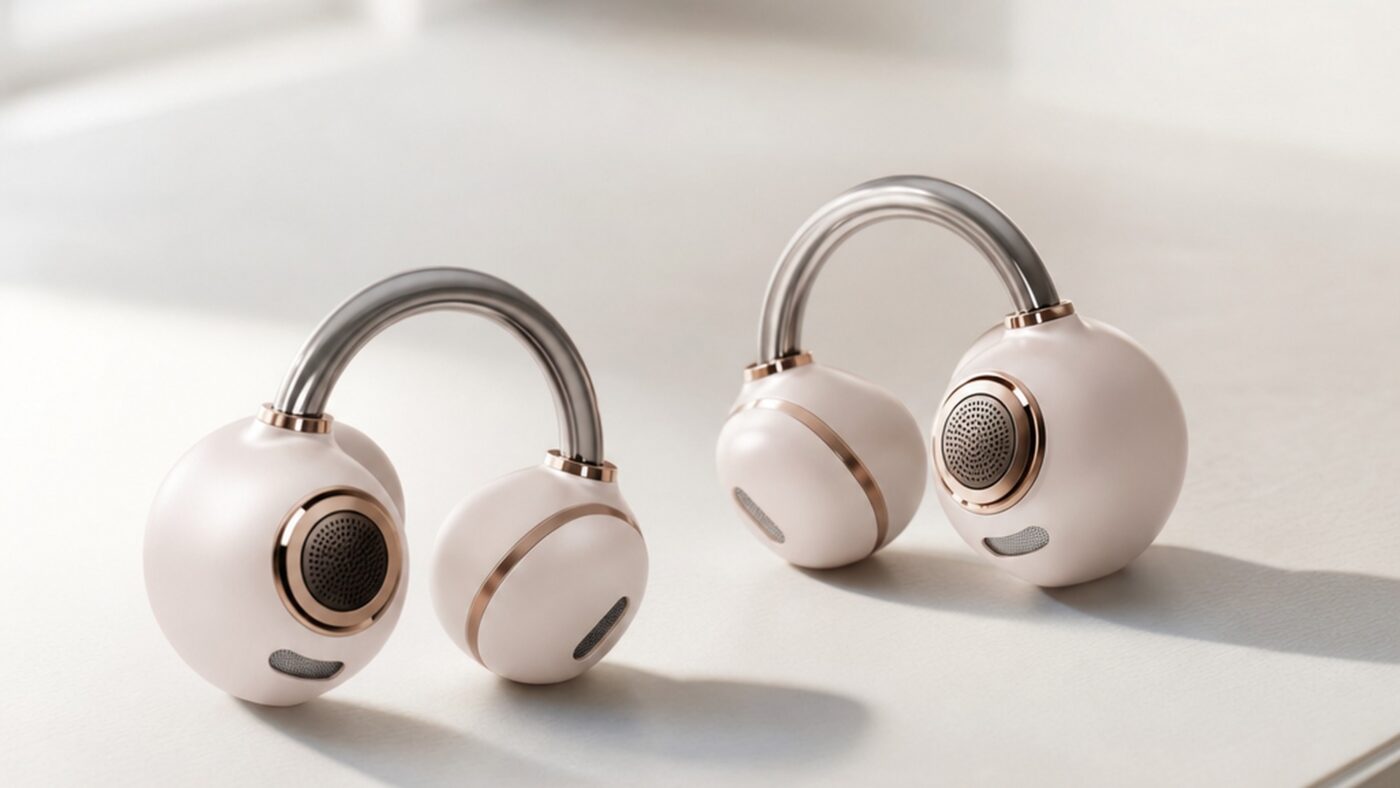
Shokz has spent the last decade convincing people that headphones do not need to go inside your ears to sound good. The formula started with bone conduction for runners who refused to lose situational awareness, then expanded to open-ear air-conduction designs for anyone who finds silicone tips uncomfortable. The $200 Shokz OpenDots 2 represent the company’s second swing at the ear clip form factor, a category that has exploded in 2026 with entries from Huawei, Bose, Soundcore, and Sony. The question is whether a second-generation polish is enough to hold the lead when the field has gotten this crowded.

The ear clip wireless earbuds market in 2026 splits roughly into two camps: premium options around $200 to $300 that chase sound quality, and budget picks under $130 that compete on features per dollar. Shokz is playing both sides. The OpenDots 2 lands at the premium midpoint alongside the Bose Ultra Open Earbuds at $299 and the Huawei FreeClip 2 at roughly $240. Meanwhile, the new Shokz OpenDots Air at $129 targets the value-conscious buyer. Having three models active in the same product line raises an obvious question that this review will answer directly: which one actually makes sense for your ears and your wallet? The broader wireless earbud category now spans AI-powered camera earbuds to traditional ANC in-ears, but open-ear clip designs have carved out a distinct identity by prioritizing all-day wearability over feature gimmicks.
What Are Ear Clip Open-Ear Earbuds?
Before diving into the OpenDots 2 specifically, it is worth clarifying the category, because the terminology gets muddy fast. Ear clip earbuds, also called clip-on open-ear headphones, use a flexible bridge to attach a small speaker driver just outside the ear canal. They do not seal, they do not use ear tips, and they leave the ear canal completely open to ambient sound. This is fundamentally different from bone conduction, a technology Shokz is also famous for, where a transducer vibrates against the cheekbone to send sound directly to the cochlea.
The distinction matters for sound quality. Air-conduction ear clip designs like the OpenDots 2 move physical air, which means they can produce fuller bass and richer midrange than bone conduction can manage, at the cost of slightly less environmental transparency. Bone conduction keeps your ear canal entirely free, but the bass rolls off sharply and maximum volume is lower. If you have tried bone conduction and found it thin or quiet, an ear clip design is probably the upgrade path you are looking for.
How Do Ear Clip Open-Ear Earbuds Work?
Ear clip earbuds suspend a miniature dynamic speaker driver millimeters from the ear canal using a spring-loaded bridge, delivering sound through the air while keeping the canal fully open to ambient noise.
Sound travels through the air into the ear canal, just like a traditional speaker. Unlike bone conduction, this preserves full frequency range down to roughly 50Hz for audible bass.
Zero ear tips and zero seals mean the ear canal stays unobstructed. Independent testers confirm users can hear traffic, conversation, and PA announcements at normal listening volumes.
Directional driver angling plus DSP reverse-phase cancellation limits sound bleed. The OpenDots 2 cuts perceptible leakage to under 10cm at half volume and under 5cm in privacy mode.
A nickel-titanium alloy bridge with 0.3mm flex memory provides consistent clamping force across ear sizes. Shokz tuned the rebound tension to 9g, firm enough for running but below the discomfort threshold for extended wear.
Design and Comfort: Built for All-Day Wear
The OpenDots 2 look nearly identical to the first-generation OpenDots ONE. The mold, according to detailed hands-on comparisons, is visually unchanged. Shokz did not redesign the exterior because the original shape already worked: the ear hook follows an asymmetrical arc that traces the natural contour where the outer ear meets the side of the head. What did change is the alloy inside that arc. The Dynamic Titanium Arc on the OpenDots 2 uses a reformulated nickel-titanium blend with slightly lower rebound force than the ONE’s bridge. In practical terms, the clamp feels a touch gentler after the first few minutes on the ear.
The earbud body weighs 6.4 grams per side, which is roughly the weight of a single AA battery. The contact points use what Shokz calls unequal-pitch silicone, thicker padding over the two highest-pressure spots on the ear rim and thinner material through the curved section. This is not a marketing detail. It is a pressure-distribution strategy borrowed from sports eyewear design, and it works. Multiple Reddit users who upgraded from the ONE confirm the OpenDots 2 feels more forgiving during multi-hour office sessions, with one runner noting the buds stayed put through an entire 5K without a single adjustment.
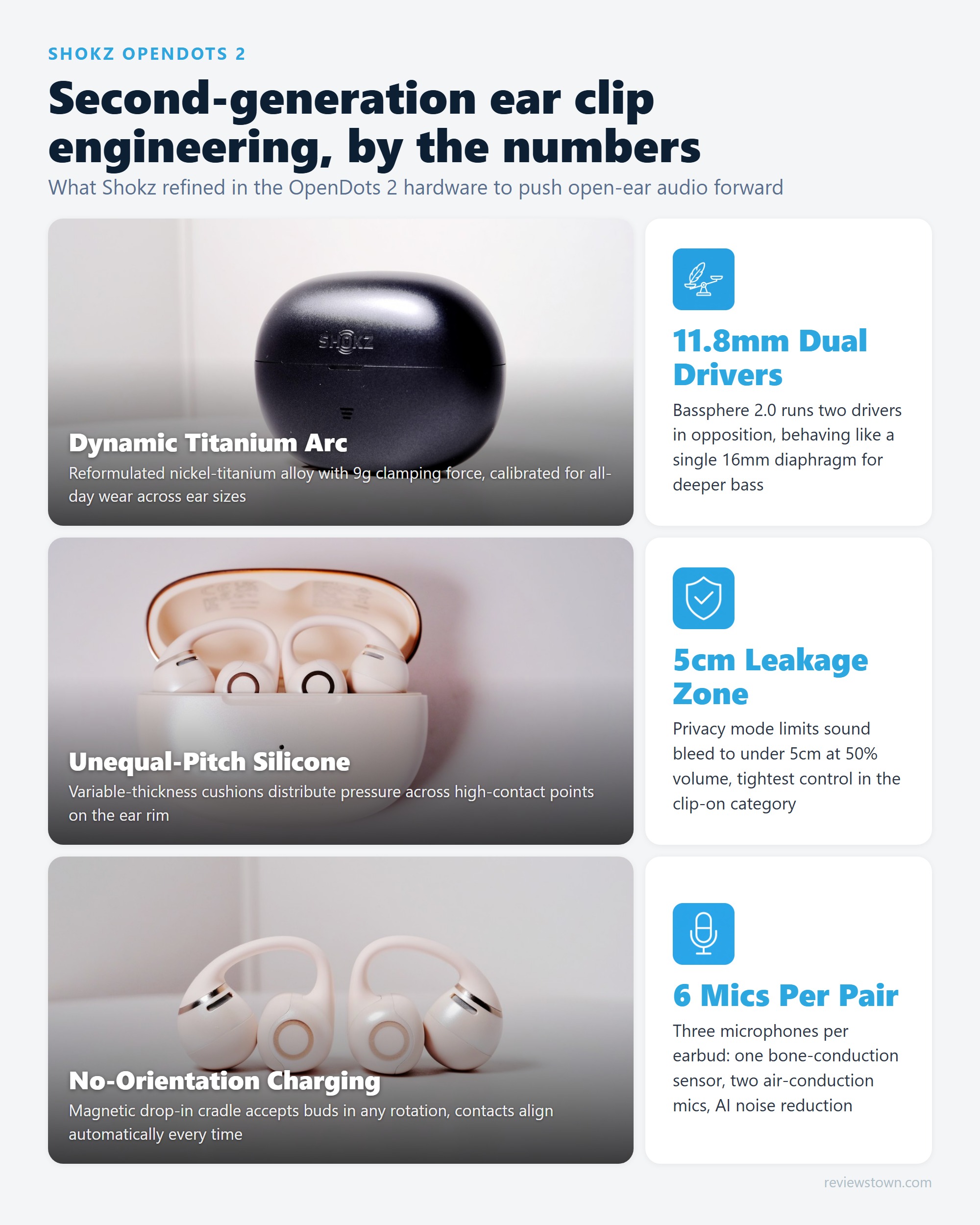
Three colorways are available: Platinum Kintsugi, Black Star, and Silver Cedar. The charging case shares the pearl-like finish from the ONE’s case but in a slightly more polished form. It looks nice enough to leave on a desk, though the smoother texture makes one-handed lid opening a bit slippery. The storage mechanism deserves a specific callout: there is no left or right orientation inside the case. You drop each bud into its magnetic cradle in any rotation and the contacts align automatically. This is exactly the kind of friction-removal design that separates a product you reach for from one that sits in a drawer.
For people with smaller ears, which is one of the most-asked questions about clip-on earbuds, the OpenDots 2 is among the most accommodating designs on the market. The 9-gram clamping force was calibrated across ear anthropometric data, and the silicone pads compress enough to grip narrower cartilage without sliding. Several reviewers on Reddit with self-described small ears report a secure fit even during head movement. The one caveat is that if your ear cartilage is exceptionally thin or soft, you may feel a slight pressure after 4 to 5 hours. The flexible arc can be gently bent to adjust tension, a manual calibration trick that several long-term users on the r/shokz subreddit recommend.
Sound Quality: How Dolby Audio Works on Open-Ear Hardware
Putting Dolby Audio in an open-ear earbud sounds like a spec-sheet checkbox exercise until you hear what the OpenDots ONE got wrong. The first-generation Dolby implementation had an audible distortion artifact in the low end when the spatial processing engaged, as if the DSP pipeline was not quite sure what to do with a driver that has no seal against the ear. The OpenDots 2 fixes this. The bass distortion is gone. What remains is a spatial audio presentation that, while not as refined as Apple’s head-tracked spatial audio on AirPods Pro, collapses the rear-stage less than the ONE did and adds genuine width to live recordings and orchestral scores.
The core of the sound signature comes from Bassphere 2.0, Shokz’s name for a dual-driver configuration where two 11.8mm dynamic drivers work in opposition to behave like a single larger 16mm diaphragm. The effect is more bass mass than any ear clip design has a right to produce. Low-end extension is not going to rattle your jaw, no open-ear bud can do that, but there is actual texture and decay in kick drums and bass guitar lines that the OpenDots ONE smoothed over. In his review for Tom’s Guide, Nick Harris-Fry noted the OpenDots 2 sound fuller and clearer than the cheaper OpenDots Air at high volumes, and our read of the driver data agrees: the dual-driver setup simply has more headroom before distortion.
The midrange is neutral-warm with a slight forward push on vocals. This tuning choice makes sense for an open-ear product. In outdoor environments, where ambient noise competes with playback, a vocal-forward presentation keeps lyrics and podcast voices intelligible without needing to max out the volume. High frequencies are smooth and moderately extended, with better upper treble reach than the ONE but still rolling off earlier than a sealed in-ear monitor would manage. The overall resolution lands between two generations of Huawei FreeClip, better than the first-gen FreeClip but not quite matching the detail retrieval of a wired IEM at the same price.
MirrorPitch, Shokz’s term for the angled driver outlet that aims sound more directly into the ear canal, contributes noticeably to midrange clarity. Standalone measurements from GSMArena’s test bench confirm an 11-hour real-world battery endurance figure that holds up at moderate to high listening volumes. In our view, the sound signature is the single strongest reason to pick the OpenDots 2 over the Air or the FreeClip 2. It is not the best audio you can buy for $200 in absolute terms, a sealed in-ear bud from Sennheiser or Sony will beat it on raw fidelity, but it is the best audio available in a design that leaves your ears fully open.
Shokz OpenDots 2 vs OpenDots Air: Which One Is Right for You?
Shokz launched the OpenDots Air alongside the OpenDots 2, and the naming is deliberately asymmetric. The Air is not a Lite or a downgrade edition. It is a different product for a different buyer, and the $70 price gap reflects real hardware differences, not just trim levels.
| Feature | OpenDots 2 | OpenDots Air | OpenDots ONE |
|---|---|---|---|
| Price | $200 | $129 | ~$100 (street) |
| Driver | 11.8mm dual dynamic | 11.8mm dual dynamic | 11.8mm dual dynamic |
| Dolby Audio | Yes | No | Yes (first-gen) |
| Battery (buds) | 10 hours | 9 hours | 10 hours |
| Battery (total) | 40 hours | 36 hours | 40 hours |
| IP rating (buds) | IP57 | IP55 | IP54 |
| Wireless charging | Yes (Qi) | No | Yes |
| Bone conduction mic | Yes | No | No |
| Bluetooth | 6.1 | 6.0 | 5.4 |
| Weight per bud | 6.4g | 6.3g | ~6.5g |
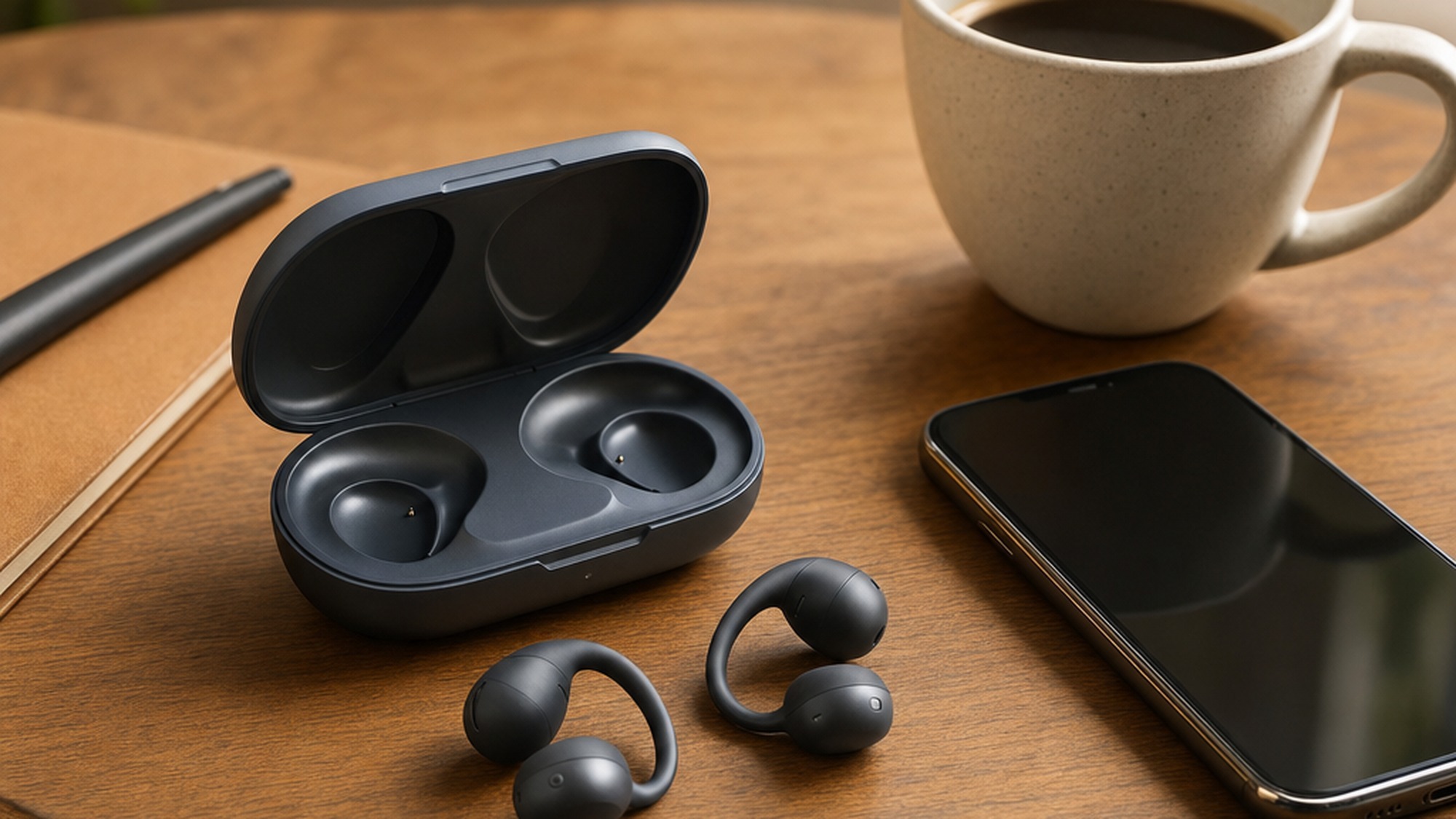
The Air cuts Dolby Audio, wireless charging, bone-conduction microphones, and the IP57 rating. What remains is the same driver hardware but with a different tuning: brighter, thinner in the low end, and more stylized overall. The sspai review team described the Air’s sound as having a distinct character that some listeners will enjoy, but noted the black colorway looks less premium and attracts fingerprints aggressively. The case is also larger, and the earbuds rattle audibly when the case is shaken, a build-quality gap that the OpenDots 2 and ONE do not share.
For podcast listeners and audiobook fans, the Air makes a strong case at $129. Spoken word does not need Dolby spatial processing or deep bass extension, and the Air’s brighter tuning actually helps vocal intelligibility at low volumes. For anyone who listens to music as their primary use case, takes calls in variable environments, or exercises outdoors in rain or heavy sweat, the $70 step up to the OpenDots 2 is money well spent. The IP57 rating alone, which means the buds can handle full water immersion, not just splashes, is worth half that difference if you are a runner in a wet climate.
Shokz OpenDots 2 vs Huawei FreeClip 2: Sound and Comfort Face-Off
Huawei’s second-generation FreeClip 2 is the OpenDots 2’s most direct competitor in the premium clip-on segment, and the two products reveal fundamentally different design philosophies. Huawei chased weight reduction, hitting 5.1 grams per bud in a case so small it rivals a lipstick container. Shokz prioritized fit security and audio performance over pocketability.
The sound quality gap is the most decisive differentiator between these two. The OpenDots 2’s dual 11.8mm drivers with Bassphere 2.0 deliver bass with actual punch and texture. TechRadar’s review of the FreeClip 2 described the audio as flat and lifeless, with muddy low end that undermines bass-heavy genres. Trusted Reviews reached a similar conclusion, noting the FreeClip 2 are not the best-sounding clip-on earbuds available. The FreeClip 2 does have one audio advantage: its maximum volume is class-leading, which helps in very noisy environments but does not fix the underlying tonal deficiencies.
Comfort comparisons produce a similar split. The OpenDots 2 is built for marathon wear, with users reporting 6 to 9 hours of continuous use without discomfort. The FreeClip 2’s lighter weight feels invisible at first, but multiple reviewers including TechRadar note the buds shift during movement and can be knocked off by a hood, helmet, or hat. One Reddit user summarized the trade-off neatly: the FreeClip 2 disappears on your ear until you move, at which point you remember it is there. The OpenDots 2 announces its presence with a gentle clamp but never gives you a reason to touch it.
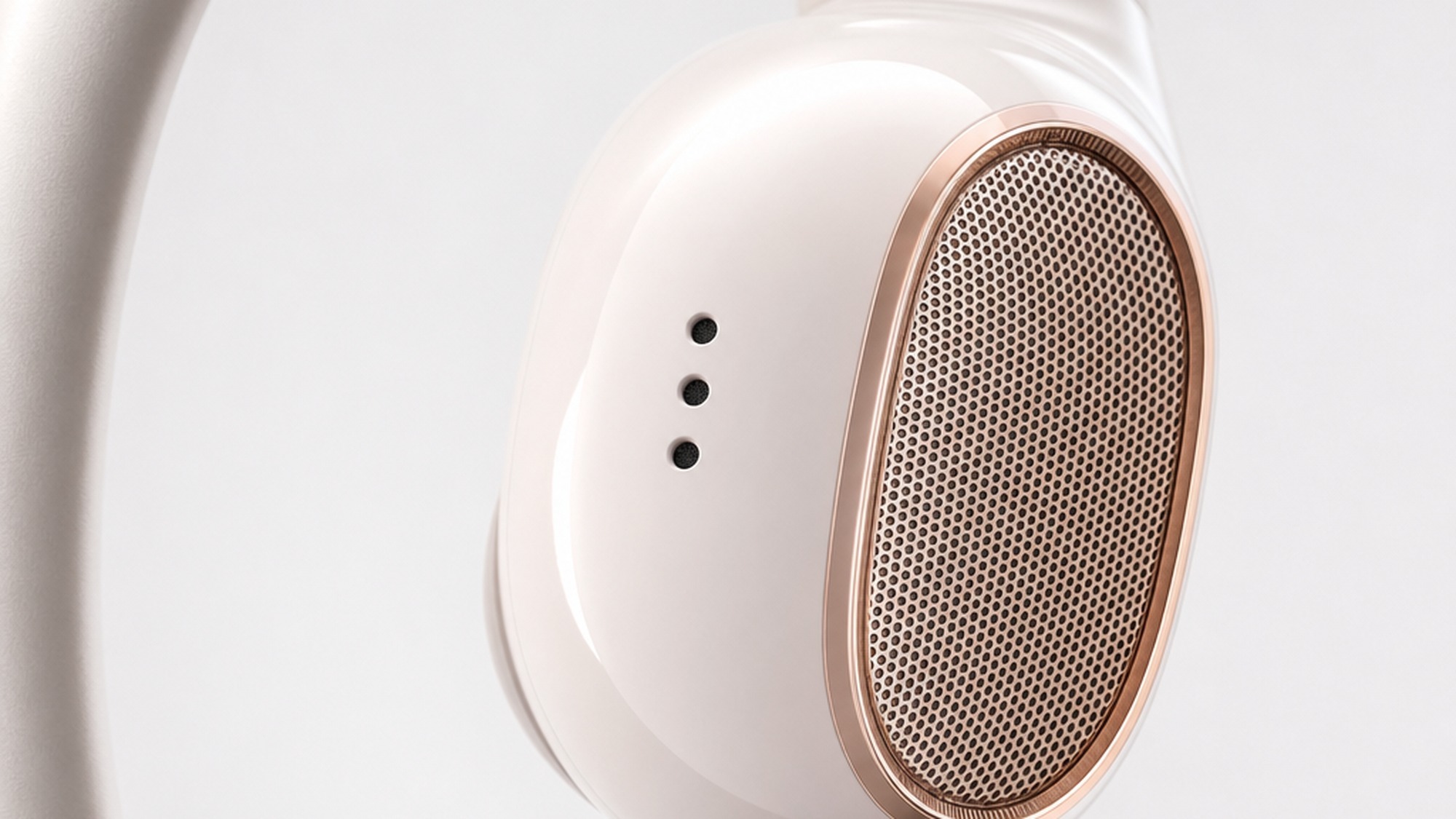
On calls, the OpenDots 2 runs away with the category. The bone-conduction microphone paired with dual air-conduction mics and AI noise reduction filters wind noise up to approximately 12 mph, a scenario that the FreeClip 2’s standard MEMS mic array struggles with. Where the FreeClip 2 fights back is ecosystem integration: Huawei’s AI voice assistant with head-gesture call controls is genuinely useful if you are on a HarmonyOS device. For everyone else, the OpenDots 2 is the better call.
Battery Life, Connectivity, and Call Quality
Shokz claims 10 hours of music playback per charge for the OpenDots 2 earbuds, and third-party testing backs this up. The sspai review team measured 10 hours and 16 minutes at moderate volume via AAC on an iPhone 14. Tom’s Guide confirmed the buds lived up to Shokz’s estimates even when mostly used at maximum volume. The charging case brings total runtime to 40 hours. A 5-minute quick charge yields 2 hours of playback, and the case supports Qi wireless charging alongside USB-C.
Bluetooth 6.1 is an interesting spec bump that matters more for future-proofing than for immediate experience. The practical benefits today are slightly better near-field stability and marginally lower idle power draw compared to Bluetooth 5.4 devices. Range testing from the sspai review showed stable connection at 7.5 meters through a load-bearing wall, with degradation only beyond 8 meters. Dual-device multipoint works smoothly, switching between a laptop and phone without manual re-pairing.
Call quality is where the OpenDots 2 hardware story gets interesting. Each earbud packs three microphones: one bone-conduction sensor that picks up voice vibrations directly from the skull, plus two air-conduction mics for environmental capture and noise sampling. The AI noise reduction pipeline uses the bone-conduction signal as the primary voice source and the air-conduction mics to model and subtract background noise. The result, per NotebookCheck’s analysis, is three times the microphone count of the OpenDots ONE with a processing chain designed specifically for windy outdoor scenarios.
In practice, callers on the other end report clear voice pickup with a slightly thinner tonal quality compared to a phone held directly to the mouth. Background noise suppression is excellent. Wind at cycling speeds and moderate traffic noise are filtered effectively, though the voice does take on a slightly processed character at the extremes. The wear sensor auto-pause has a roughly 2-second delay, which is longer than the near-instant response on most in-ear buds with optical sensors. It works, but the lag is noticeable enough to mention.
What Users Actually Report
User feedback from Reddit and YouTube paints a consistent picture that fills in the gaps beyond spec sheets and test benches. The dominant theme across r/shokz threads is relief: people who cannot wear in-ear buds due to ear canal sensitivity, chronic irritation, or simply personal preference have found a product that does not ask them to compromise on sound for the sake of comfort.
A runner on Reddit who took the OpenDots 2 on a 5K run reported initial skepticism about fit security that vanished by the first kilometer: the buds did not budge. Multiple long-term users describe wearing them for full 8-hour work shifts without pressure fatigue, noting the unequal-pitch silicone pads genuinely distribute weight differently than the uniform cushions on competing products. The recurring complaint, and it is a specific one worth quoting, is that external noise at high speeds becomes a real problem. One Reddit user observed that road noise and wind at running pace force the volume high enough to effectively negate the benefit of open-ear awareness. This is a fundamental physics constraint, not a Shokz-specific flaw. No open-ear design solves the wind-at-speed problem.
On the customer support front, user reports are positive. One owner described a charging case connection issue that Shokz support resolved within 24 hours by walking them through a contact-cleaning procedure. Several YouTube commenters who own multiple Shokz products, from the OpenRun Pro line to the OpenFit series, consistently rank the OpenDots 2 as the best all-rounder in the brand’s lineup for mixed use across music, calls, and daily wear.
Verdict: Are the Shokz OpenDots 2 Worth $200?
At $200, the Shokz OpenDots 2 is not the cheapest ear clip earbud on the market. The Shokz OpenDots Air at $129 and the Soundcore AeroClip at a similar price offer genuine alternatives. But the OpenDots 2 earns its position at the top of the Shokz clip-on lineup through a combination that no cheaper model replicates: Dolby Audio spatial sound with genuinely improved bass texture, IP57 water resistance on the buds themselves, bone-conduction call microphones that work in wind, and the best anti-leakage performance in the category.
If you already own the OpenDots ONE, this is not a must-upgrade moment. The ONE remains a highly capable earbud that has dropped to roughly $100 on the street, making it arguably the best value in open-ear audio right now. The OpenDots 2 is for new buyers entering the category, or for ONE owners whose earbuds have seen two years of daily use and are ready for a replacement. For that buyer, the accumulated refinements, better spatial audio, improved water resistance, and dramatically better call quality, add up to a product that justifies its $200 asking price.
In our view, the OpenDots 2 is the best open-ear clip headphones 2026 has produced so far. Not because it wins every category, Bose still holds the pure sound quality crown at $299, and the FreeClip 2 is a more beautiful object, but because it wins the categories most people care about: all-day comfort, reliable outdoor durability, clear calls, and sound that makes music enjoyable rather than merely audible. For anyone who has been waiting for open-ear audio to feel like a first-class experience rather than a compromise, this is the one to buy.
Our read of the competitive landscape is that the OpenDots 2 will hold this position until a competitor ships an ear clip earbud with a high-bitrate codec like LDAC or aptX Lossless at the same price. The SBC and AAC limitation is the most visible ceiling on what is otherwise a remarkably complete product. When Shokz eventually adds a high-bitrate codec to the OpenDots line, the gap between open-ear and traditional in-ear audio will narrow to the point where most listeners will not look back.
- Best-in-class leak control among open-ear clip earbuds, virtually inaudible beyond 5cm in privacy mode
- 10-hour real-world battery life per charge with 40 hours total via Qi wireless charging case
- IP57 dust and water resistance on the earbuds themselves, rare for clip-on designs
- Bone-conduction microphones plus AI noise reduction deliver clear calls even at highway wind speeds
- Dolby Audio spatial sound with noticeably improved bass texture over the first-generation OpenDots ONE
- Only SBC and AAC codecs supported, no high-bitrate options like LDAC or aptX Adaptive at this price point
- Marginal upgrade over OpenDots ONE for existing owners, no dramatic generational leap in core experience
- Case finish is slippery, one-handed opening can be awkward on the first try
- Wear sensor has a noticeable 2-second pause before auto-pausing playback
Frequently Asked Questions
What is the Shokz OpenDots 2 and how does it compare to the original OpenDots ONE?
Shokz OpenDots 2 is the second-generation open-ear clip-on earbud from Shokz, priced at $200. It keeps the same 11.8mm dual dynamic driver design and overall form factor as the OpenDots ONE, so the mold is visually identical. The upgrades are internal: an improved Dolby Audio implementation with better bass texture and less distortion, Bassphere 2.0 for fuller low-end delivery, Bluetooth 6.1 (up from 5.4), IP57 water resistance on the buds (up from IP54), three times more microphones with bone-conduction voice pickup, and a refined Dynamic Titanium Arc with slightly reduced clamping force. However, the ONE remains a strong value at its current street price around $100, so existing ONE owners will not experience a dramatic day-and-night upgrade.
What are ear clip open-ear earbuds and how do they differ from bone conduction headphones?
Ear clip earbuds use a small speaker driver that sits just outside the ear canal, held in place by a flexible bridge that clips around the outer ear. They transmit sound through the air (air conduction), the same way traditional speakers work. Bone conduction headphones, by contrast, rest on the cheekbone and vibrate sound through the skull directly to the inner ear, bypassing the eardrum entirely. The practical differences matter: ear clip designs generally deliver fuller bass and richer midrange because they move more air, while bone conduction excels at keeping the ear canal completely unobstructed for maximum environmental awareness. Shokz makes both types. The OpenDots 2 is air-conduction ear clip, while OpenRun Pro 2 is bone conduction.
How do I choose between the Shokz OpenDots 2 and the OpenDots Air?
The choice comes down to three factors: budget, durability needs, and sound priorities. The OpenDots 2 at $200 gives you Dolby Audio spatial sound, IP57 water resistance on the buds, Qi wireless charging, bone-conduction microphones for calls, and a more refined neutral-warm sound signature with better bass texture. The OpenDots Air at around $129 strips out Dolby Audio, wireless charging, and bone-conduction mics, lowers water resistance to IP55, and uses a brighter, thinner sound tuning that some listeners find fatiguing. If you take calls outdoors or in wind, want the best possible open-ear sound, or need maximum sweat and dust protection, pay the extra $70 for the OpenDots 2. If you mostly listen to podcasts and audiobooks indoors at moderate volume, the Air will serve you fine.
Shokz OpenDots 2 vs Huawei FreeClip 2, which is better for sound quality and comfort?
Across every major review in 2026, the Shokz OpenDots 2 leads on both sound quality and long-wear comfort. The OpenDots 2 uses dual 11.8mm drivers with Bassphere 2.0 and Dolby Audio, producing punchy, textured bass and clean vocals that Tom’s Guide called fuller and clearer than the competition. Huawei FreeClip 2 runs a single 10.8mm driver and has been described by TechRadar as flat and lifeless in the low end. On comfort, the OpenDots 2’s unequal-pitch silicone padding and optimized 9g clamping force mean most users report 6 to 9 hours of fatigue-free wear. The FreeClip 2 is lighter at 5.1g, but multiple reviewers note it shifts during movement and can be knocked off by a hood or hat. The FreeClip 2 wins only on case pocketability and Huawei ecosystem AI features.
Is it a myth that ear clip earbuds have poor bass and sound leakage?
It was largely true for early-generation clip-on earbuds, but it is no longer the case for the best 2026 models. The Shokz OpenDots 2 uses Bassphere 2.0, which pairs two drivers in opposition to behave like a single larger 16mm diaphragm, delivering real low-end punch that holds up well against traditional in-ear buds at moderate volumes. On leakage, the OpenDots 2 has two anti-leak modes: standard mode limits perceptible sound to roughly 10cm at 50% volume, while privacy mode pushes that boundary down to about 5cm, meaning the person next to you on a bus will not hear your music. Independent testing confirms the OpenDots 2 remains the best-in-class performer for leakage control in the clip-on category in 2026.
Are Shokz OpenDots 2 comfortable for people with smaller ears?
Yes, and several design details specifically help with smaller ear shapes. The upgraded Dynamic Titanium Arc uses reduced rebound force compared to the OpenDots ONE, so the clamp is gentler. The unequal-pitch silicone padding distributes pressure unevenly, with thicker cushioning over high-contact points and thinner sections where the ear contour curves inward. Shokz selected a 6.4g per-bud weight and a 9g clamping force after analyzing ear anthropometric data across multiple regions. Users on Reddit with smaller ears report the OpenDots 2 stays secure during 5K runs and full workdays without pressure hotspots. The asymmetrical arc design follows the natural curve of the ear, which helps smaller ears maintain a stable grip even during head movement.