# Huawei AI Glasses Review 2026: The Most Polished AI Camera Glasses Yet, With One Big Catch
Price: 2,499 yuan (approximately $367 USD) | Weight: 35.5g (frame only), approximately 47g with prescription lenses | Camera: 12MP custom 1/2.8-inch sensor with HDR Vivid | Battery: Up to 12 hours mixed use | Availability: China only, HarmonyOS 6.0+ required
If you have been following the wearable AI assistant glasses market, you know the pattern: a company announces camera-equipped smart glasses, the tech press gets excited, and then the product ships with mediocre battery life, a bulky frame that screams “I am recording you,” and an AI assistant that works about 60 percent of the time. Huawei’s first AI camera glasses, launched in April 2026, break from this pattern in ways that matter. But they also introduce a new trade-off that will determine whether these are worth your money: ecosystem lock-in.
In our view, the Huawei AI Glasses represent the most complete hardware package in the category right now. The question is whether you can actually use them.

What Are Huawei AI Glasses and What Can They Do?
Before diving into specifics, it is worth clarifying what AI glasses actually are, because the term gets thrown around loosely.
What Are AI Glasses?
AI glasses are wearable eyewear that integrate a camera, microphones, speakers, and an on-device AI assistant into a frame that looks as close to normal glasses as possible. Unlike AR headsets such as the Apple Vision Pro or Meta Quest, AI glasses have no built-in display. They do not project information onto your lenses. Instead, they function as a hands-free extension of your smartphone: capture photos and video from a first-person perspective, take calls through open-ear speakers, and interact with an AI assistant via voice commands. The AI can see what you see through the camera, identify objects, translate text in real time, and answer questions about your surroundings. The core design philosophy is that AI glasses should replace the action of pulling out your phone, not replace the phone itself. As of mid-2026, the category includes products from Huawei, Meta (Ray-Ban), Xiaomi, Acer, Rokid, and iFlytek, with Google and Samsung entries expected later this year.
Huawei’s entry into this category did not come out of nowhere. The company has been iterating on smart eyewear since 2021, starting with audio-only models and progressively adding health sensors. The 2026 AI Glasses are the third generation and the first to carry an integrated camera and full Xiaoyi AI assistant. According to Huawei’s launch presentation on April 20, 2026, the glasses weigh 35.5 grams before prescription lenses are fitted, making them among the lightest camera-equipped smart glasses available.
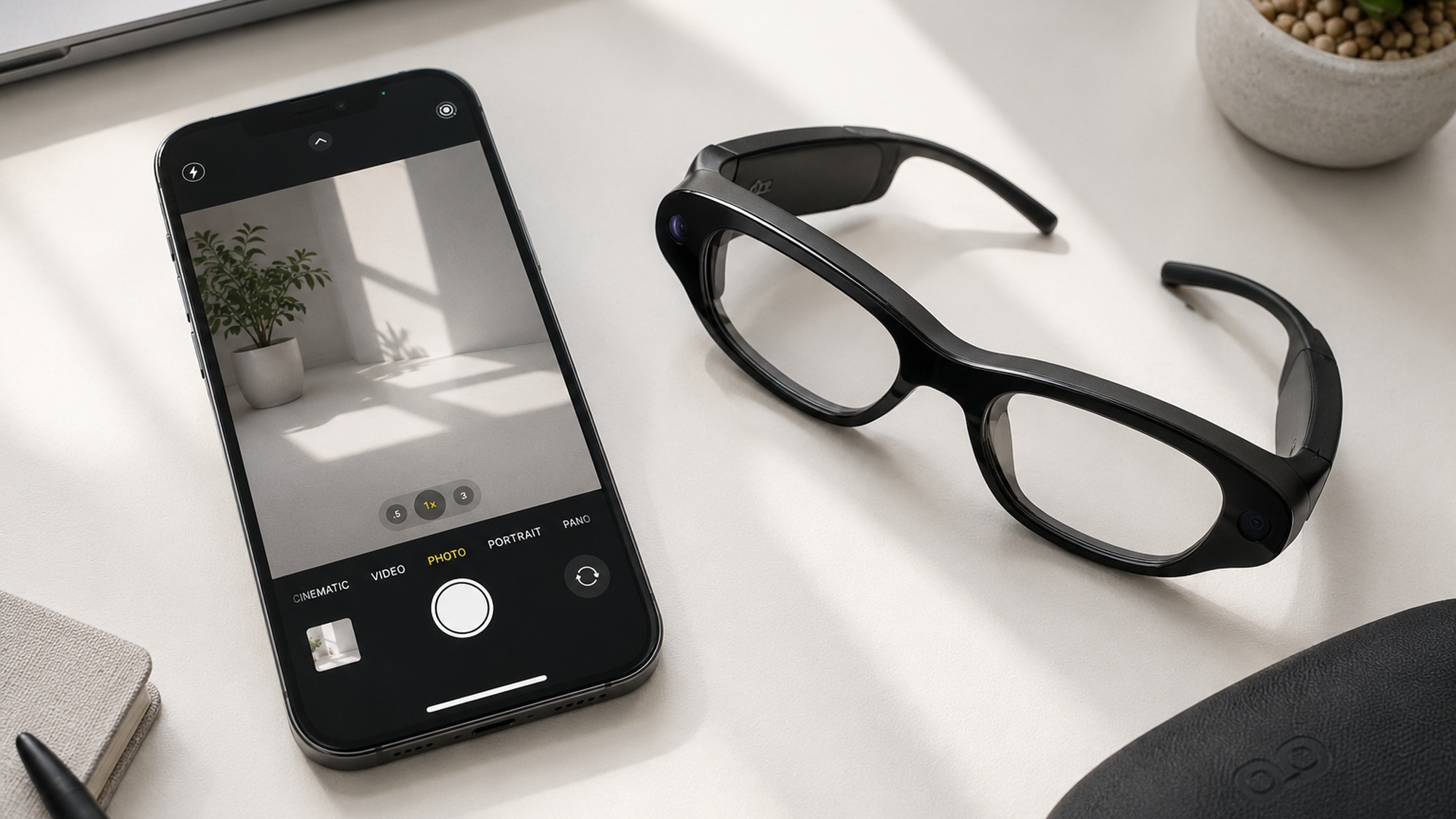
The hardware is built around a custom dual-engine chip architecture that splits processing between the glasses themselves and a paired Huawei phone. A 12MP camera using a 1/2.8-inch sensor sits in the front corner of the frame, and a three-microphone array handles voice pickup and call noise cancellation. 64GB of internal storage means photos and short videos stay on-device until you transfer them.
What separates these from earlier Huawei Eyewear models is the AI layer. The Xiaoyi assistant, already familiar to Huawei phone users, becomes a persistent presence accessible through a long press on the temple or a voice wake word. It can process what the camera sees, answer follow-up questions, and execute phone-based actions without you touching the screen.
Design and Comfort: A Glasses-First Philosophy That Pays Off
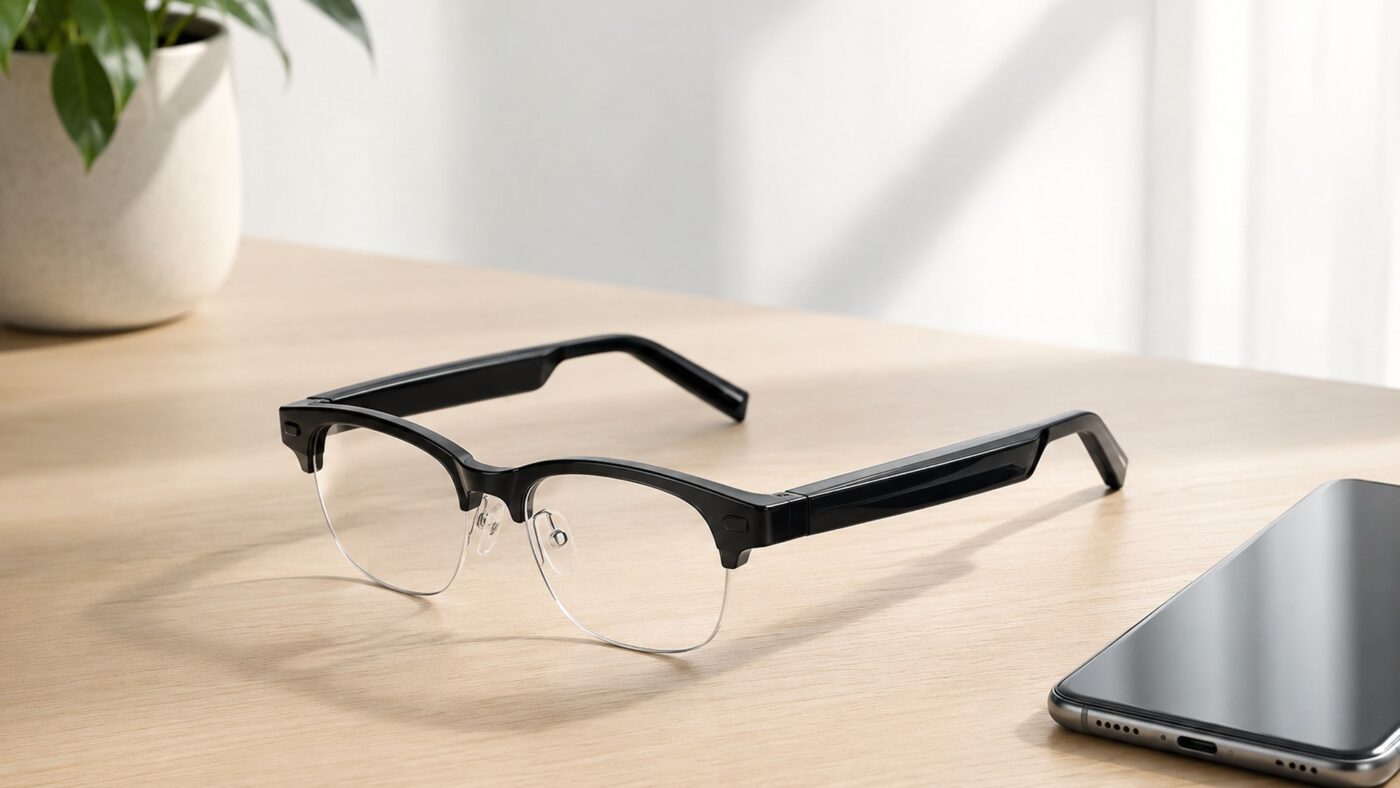
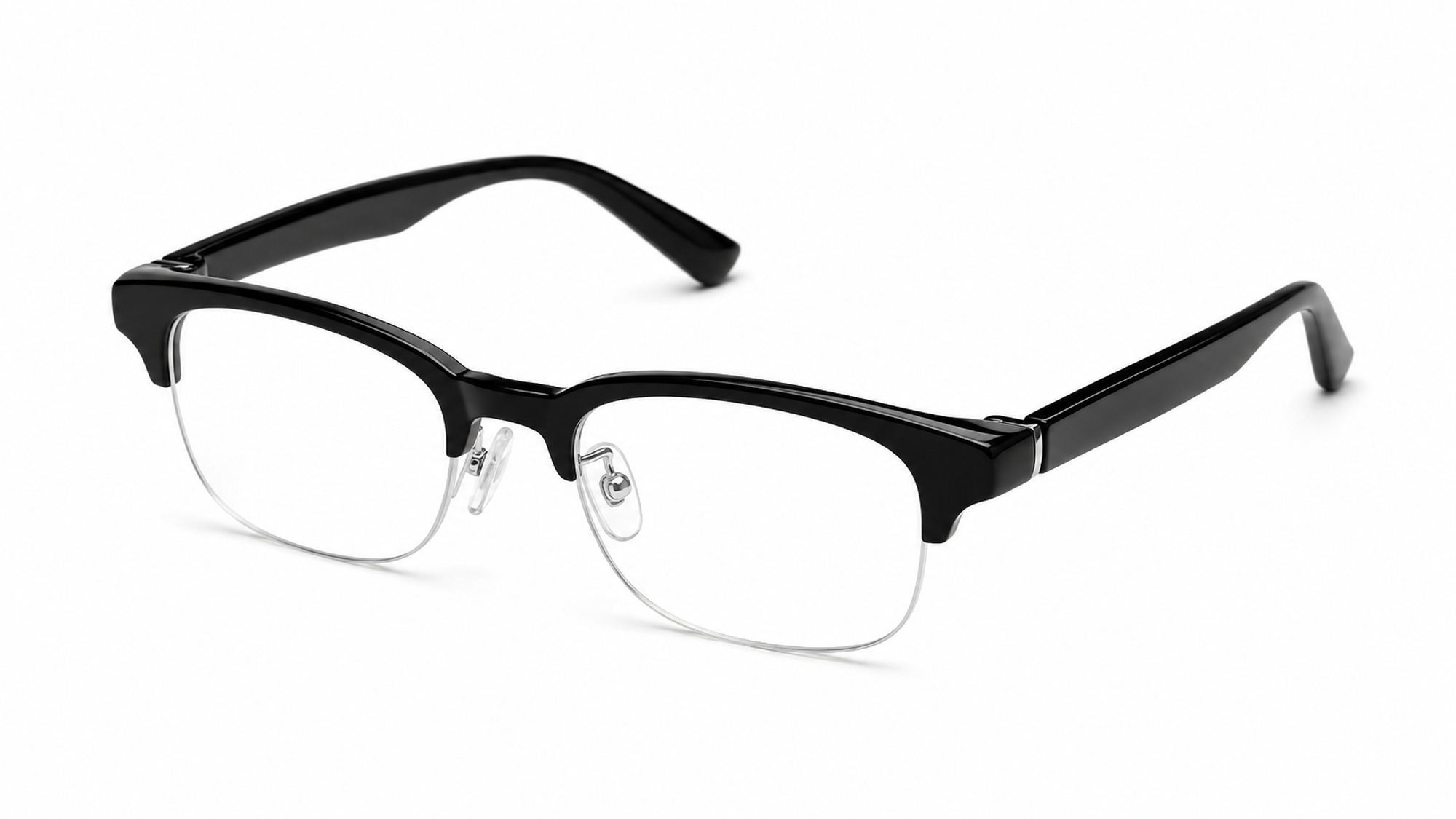
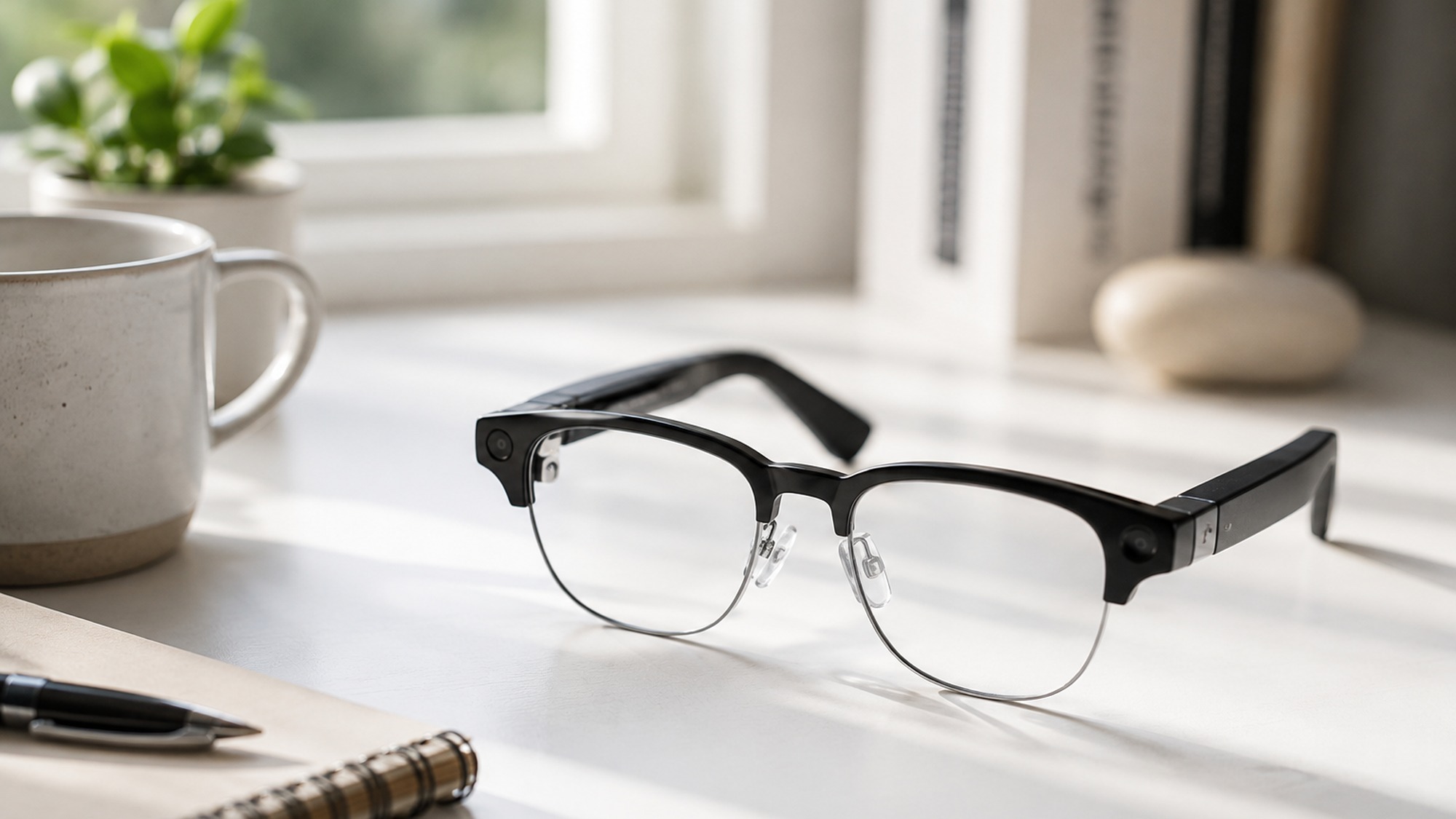
The single most important design decision Huawei made was prioritizing ordinary-eyewear aesthetics over tech-forward styling. The half-frame Titanium Silver Grey variant, in particular, draws minimal attention. From arm’s length, it reads as a pair of contemporary optical glasses. The 6.25mm temple thickness hides the battery, chip, and speaker assembly inside a profile that is roughly comparable to a standard acetate frame.
Huawei says it scanned over 300,000 head shapes from Asian users to optimize what it calls the “Golden Triangle Balance” weight distribution. The three battery cells are split across both temples and the front frame, shifting the center of mass toward the ears rather than the nose bridge. In practice, this means the glasses feel lighter than their 47-gram fully-loaded weight suggests. The titanium alloy hinges add durability without adding bulk, and the clamping force is 21 percent more stable than the previous generation, per Huawei’s internal testing.
What users actually report aligns with the design intent. On Reddit’s r/SmartGlasses community, a Huawei Eyewear II owner noted the glasses are “very comfortable, strong build” and specifically called out the customizable touch controls for left and right-handed users. A YouTube commenter with 24 upvotes on a Tech Spurt review described the practical appeal from a truck driver’s perspective: the ability to take calls and listen to audio without earbuds sitting in the ear canal for an entire shift. This use case, professionals who wear glasses all day and want audio integration without additional hardware in their ears, is an underserved market that most smart glasses marketing completely overlooks.
The comfort advantage is not just about weight. The open-ear speaker design means zero pressure on the ear canal, which matters significantly during extended wear. If you have ever finished a long day of earbud use with sore ears, you will understand why this matters.
There are three frame variants: Titanium Silver Grey (half-frame optical), Modern Black (full-frame optical), and Shimmering Silver (full-frame sunglasses, priced at 2,899 yuan). All three support prescription lens fitting, and Huawei provides optician-friendly instructions with each unit.
Camera Performance: Where Huawei Pulls Ahead
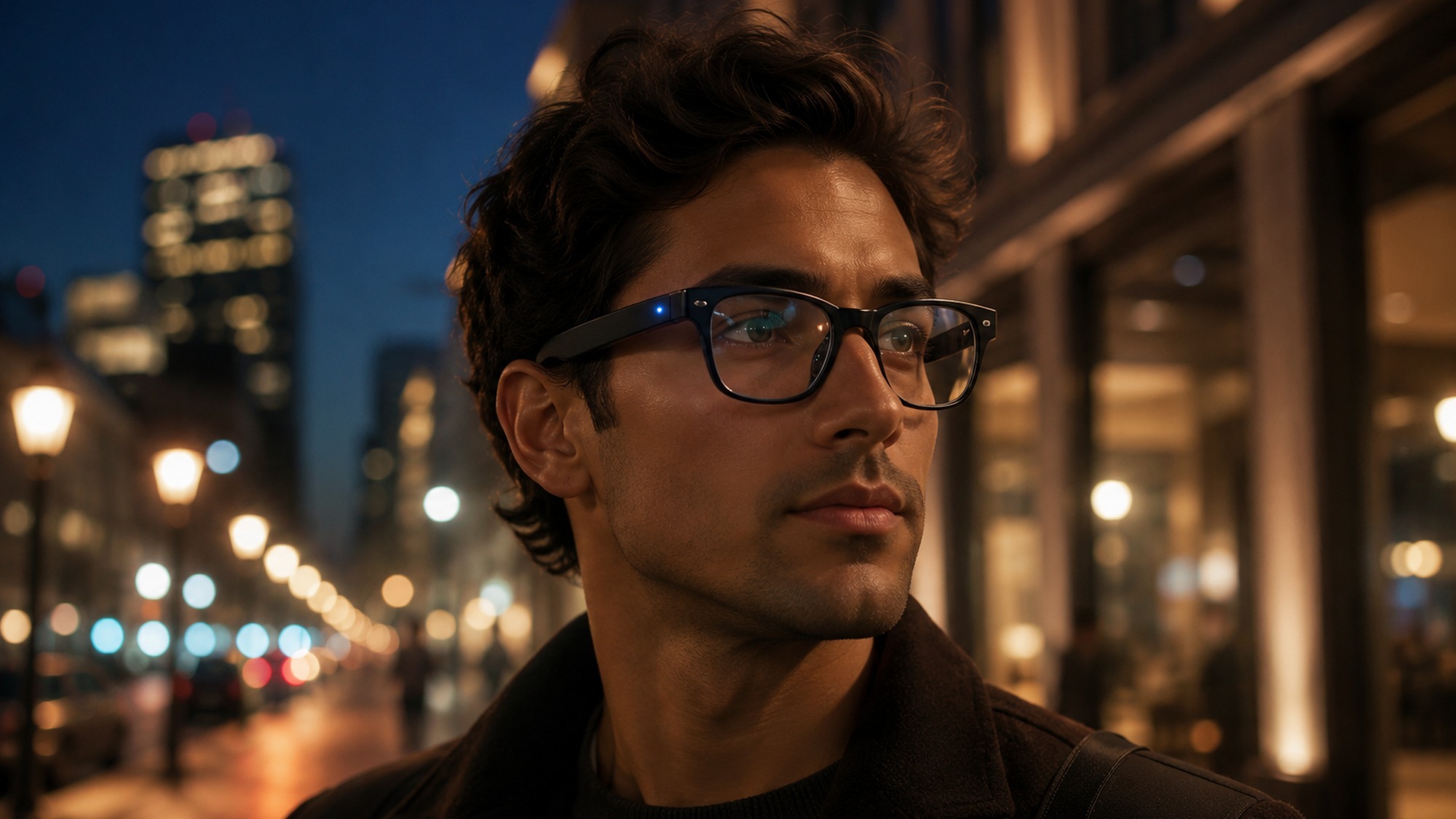
The camera is the hardware story that most decisively separates the Huawei AI Glasses from the Meta Ray-Ban, and the difference comes down to physics. Huawei used a custom 1/2.8-inch CMOS sensor for its 12MP camera. Meta’s Ray-Ban Gen 2 uses a Sony IMX681 sensor measuring 1/3.6 inches. That size gap means Huawei’s sensor captures roughly 50 percent more light per frame, according to the sensor area calculation published by OFweek Wearable’s teardown analysis from April 2026.
In daylight, the two are close enough that preference comes down to taste. Huawei produces warmer, more saturated images with sharper edge definition. Meta’s output is cooler and more natural, with better highlight retention in bright sky scenes. Neither is objectively better in good light. It is a stylistic difference, similar to comparing a Galaxy phone photo to a Pixel photo.
Nighttime and low-light shooting is where the hardware gap becomes impossible to ignore. Huawei’s on-chip native HDR architecture, using NDOL and row-interleaved HDR, delivers 80dB of dynamic range at the sensor level. Meta relies on software-based HDR processing after capture. In real-world terms, this means Huawei’s glasses produce usable photos at concerts, inside museums with spot-lit exhibits, during conference presentations with projected slides, and at dimly lit restaurants. Meta’s glasses, under the same conditions, show visible noise, color bleeding into shadow areas, and clipped highlights. Gizmodo’s James Pero summarized the gap succinctly in his April 2026 comparison: the night performance difference is the “one key category” where Huawei “crushes” Meta.
The camera also supports HDR Vivid, China’s dynamic HDR standard analogous to Dolby Vision. This is an ecosystem play: photos captured in HDR Vivid on the glasses display with full dynamic range when viewed on Huawei phones and tablets. It is genuinely useful if you are inside the ecosystem and invisible if you are not.
Video recording tops out at 1920 by 1440 pixels at 30 frames per second in 4:3 aspect ratio, with 16:9 and 9:16 crops available. Electronic image stabilization with roughly 10 degrees of horizon correction keeps walking footage reasonably steady. The 0.7-second AI Flash Capture mode, triggered by a double-press, uses AI composition correction to fix shots taken at up to 20 degrees of tilt. It is a clever solution to the inherent challenge of framing a shot when you cannot see a viewfinder.
The catch: continuous video recording is capped at approximately three minutes before thermal protection kicks in. The glasses also lack any form of viewfinder or display, so framing is entirely by feel and audio confirmation. This is true of all camera-equipped AI glasses in 2026, but it is worth stating plainly: you are shooting blind, and that takes practice to get right.
AI Features: What Xiaoyi Can (and Cannot) Do
Xiaoyi, Huawei’s AI assistant, is the software layer that transforms these from camera glasses into AI glasses. The core interaction model is a long press on the temple-mounted AI button, which activates “Xiaoyi See the World,” a real-time video analysis mode that streams what the camera captures to the phone for AI processing.
What works well:
Visual recognition. Xiaoyi identifies over 5,000 landmarks, recognizes plant and animal species, and estimates calorie content from food photos. In a test documented by Chinese tech blog Leikeji, the glasses correctly identified a skincare product from its bottle, listed the active ingredients, and described the recommended application order. The intent recognition accuracy exceeds 90 percent when the user points at the object they are asking about, per Huawei’s developer documentation.
Real-time translation. Twenty languages are supported with a bilingual text overlay that appears on the paired phone screen. The translation latency is under one second for short phrases. This is immediately useful for reading foreign menus, street signs, and product labels while traveling.
Voice-first productivity. Call quality is excellent. The three-microphone array with Huawei’s noise reduction algorithms handles construction-site-level background noise effectively. The ifanr reviewer specifically noted that calls remained clear “whether on a construction site or a busy road,” a claim corroborated by user comments praising the call performance for outdoor professional use.
Look to Pay. An Alipay integration lets you authorize a payment by looking at a QR code and confirming with voiceprint verification. It is a genuine “no hands” transaction flow that feels futuristic in the best way.
What does not work yet, and these gaps matter:
No navigation integration. Xiaoyi can find a late-night dessert shop near your location (a real example from the ifanr review), but it cannot give you turn-by-turn directions to get there. You still need to pull out your phone for maps.
No transactional depth. The glasses can identify a skincare product and tell you what it does. They cannot add it to your shopping cart or compare prices across platforms, even though Huawei has the e-commerce infrastructure to support this.
No calendar or schedule access. Xiaoyi on the glasses cannot read your upcoming appointments or set reminders tied to what you see. A “photo memory” feature, where the glasses remember where you parked or which hotel room you are in, is absent from the launch software.
Ecosystem dependency. Every AI feature described above requires a Huawei phone running HarmonyOS 6.0 or later. Pair the glasses with an iPhone or a Xiaomi phone, and they degrade to Bluetooth camera glasses with basic audio playback. No AI. No translation. No visual recognition. This is not a technical limitation. It is a strategic choice.
A well-known Chinese tech blogger, Adak, has reported that OTA updates planned for later in 2026 will expand Xiaoyi’s permissions to coordinate with other Huawei devices for identity verification and enable deeper system-level actions. If these updates deliver, several of the current gaps could close without new hardware. But buying a product on the promise of future software is always a gamble.
Audio: Great for Calls, Adequate for Music
Huawei tuned the open-ear speakers for spatial imaging and vocal clarity, and the priorities show. Music playback delivers strong stereo separation and good instrument layering, but bass response is thin. Multiple reviewers, including Tech Spurt’s YouTube coverage of the earlier Huawei Eyewear 2 which shares the same audio architecture, noted that bass-heavy tracks sound “muddy” and lack the impact that in-ear buds or over-ear headphones deliver.
For podcasts, audiobooks, and voice calls, the audio quality is more than adequate. The peak volume is high enough to hear clearly in noisy environments, and the open-ear design preserves situational awareness, a genuine safety benefit for urban walking and cycling that closed-back earbuds cannot match.
One Reddit commenter summarized the trade-off concisely: the glasses are “more practical than those Rayban sunglasses” because they are “designed for office work and light weight,” where audio clarity for calls matters more than music fidelity. That framing captures the audio proposition: treat them as a hands-free communication tool with incidental music playback, not as a replacement for dedicated audio gear.

Battery Life: The All-Day Promise (Mostly) Delivers
Battery life is where Huawei’s spec sheet makes its boldest claim against Meta. The official numbers: 9 hours of continuous music playback, 8 hours of voice calls, 78 minutes of live streaming, and up to 12 hours of mixed intermittent use. These figures come from Huawei’s product documentation and were corroborated by early adopter reports indicating roughly 1.5 days of moderate use on a single charge.
The gap versus Meta Ray-Ban Gen 2, which manages approximately 5 hours of continuous music and 8 hours of intermittent use, is substantial. Huawei achieves this through a three-cell, 258mAh total battery split across both temples and the front frame, combined with a custom low-power chip architecture that offloads heavy processing to the paired phone.
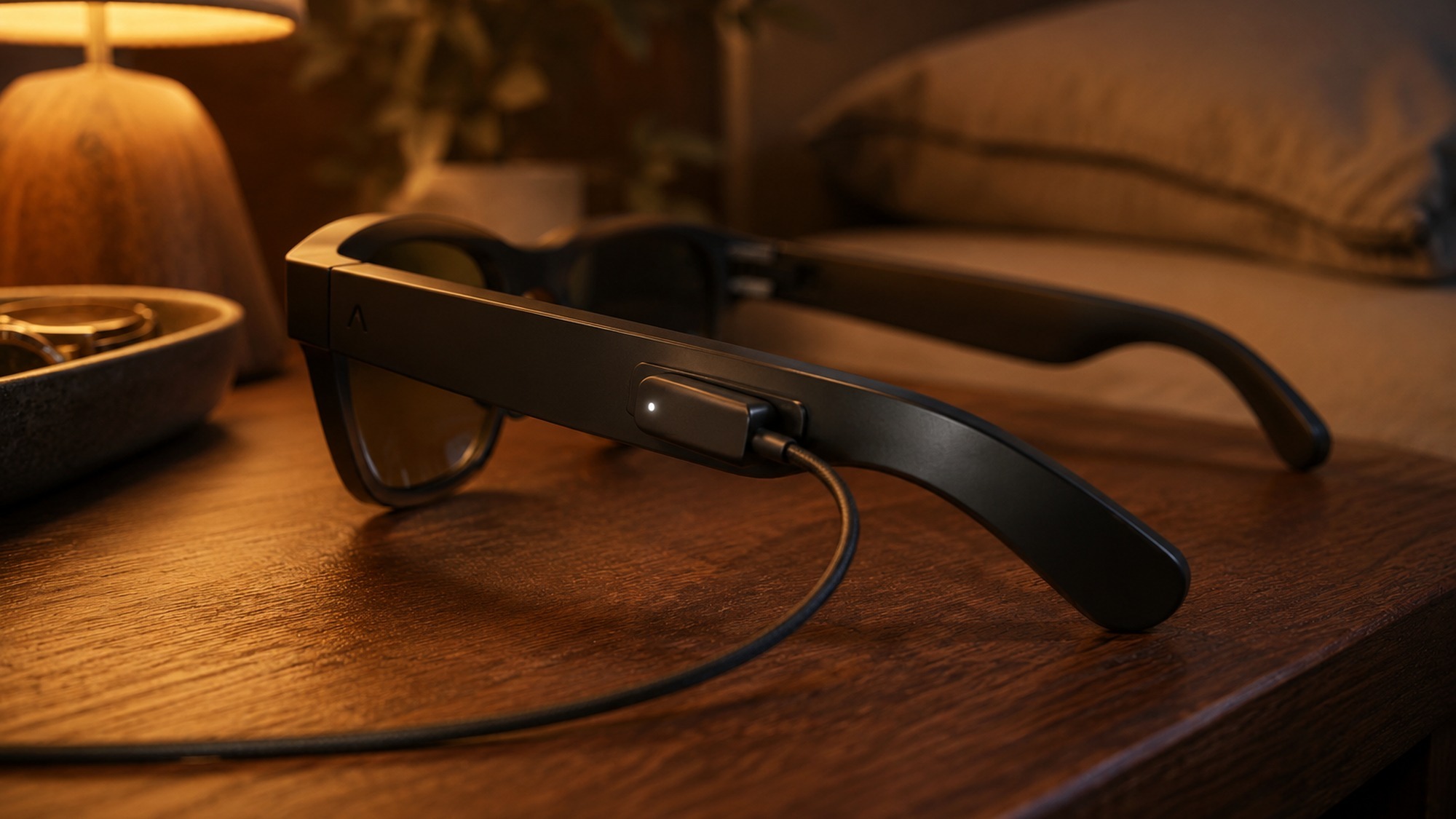
Charging is via a magnetic cable that attaches to contacts on the temple. A 10-minute quick charge provides roughly 3 hours of music playback or enough power for about 200 photos. A full charge takes approximately 45 minutes.
The practical annoyance, and this is the single most common complaint across Reddit threads and YouTube comments from actual owners, is that the carrying case is not a charging case. It is purely for storage. Meta’s charging case, by contrast, provides multiple full recharges and effectively eliminates battery anxiety for multi-day use. With Huawei’s solution, you need to carry the magnetic charging cable separately, and it is a proprietary connector. Lose it on a trip, and you cannot grab a replacement at a convenience store the way you can with a USB-C cable. One Reddit user on r/SmartGlasses called this their “only gripe” about an otherwise well-built product, noting the magnetic cable is easy to misplace.
Heavy use changes the battery math significantly. Continuous video recording or AI analysis tasks drain the battery in 3 to 4 hours. Live streaming maxes out at 78 minutes. If your use case involves constant camera or AI interaction rather than primarily audio with occasional photos, the “all-day” label does not apply.
Huawei AI Glasses vs Meta Ray-Ban: Full Comparison
This is the comparison that defines the AI glasses market in 2026, and the choice is not as simple as “pick the one with better specs.”
| Feature | Huawei AI Glasses | Meta Ray-Ban Gen 2 |
|---|---|---|
| Price | 2,499 yuan (~$367) | From $379 |
| Weight (with lenses) | ~47g | 50-53g |
| Camera sensor | Custom 1/2.8-inch, 12MP | Sony IMX681 1/3.6-inch, 12MP |
| Night photo quality | Excellent (on-chip HDR, 80dB dynamic range) | Average (software HDR only) |
| Max video resolution | 1920 x 1440 @ 30fps | Up to 3K @ 30fps |
| Continuous music battery | 9 hours | ~5 hours |
| Mixed-use battery | Up to 12 hours | ~8 hours (intermittent) |
| Charging method | Magnetic cable (case is NOT a charger) | Charging case included |
| Internal storage | 64GB | 32GB |
| AI assistant | Xiaoyi (Celia) | Meta AI |
| Live translation | 20 languages, on-phone display | Supported via Meta AI |
| Payment | Alipay “Look to Pay” with voiceprint | Not available |
| Water resistance | IP54 | IPX4 |
| OS compatibility | HarmonyOS 6.0+ only | iOS and Android |
| Global availability | China only | Global |
| Privacy features | Physical camera disable switch, local storage, LED indicator | App-based disable, LED indicator |
The comparison crystallizes into a clear decision framework. Huawei wins on hardware fundamentals: larger sensor, better low-light photography, longer battery life, more internal storage, and lighter weight. Meta wins on accessibility: global availability, cross-platform compatibility, a charging case that solves the battery problem elegantly, and the iconic Ray-Ban design heritage that carries genuine cultural weight.
In our view, if you own a recent Huawei phone, the decision is straightforward. The Huawei AI Glasses are the best AI glasses you can buy, period. The hardware advantage is real, the ecosystem integration adds genuine utility, and the price undercuts Meta slightly in the Chinese market. For anyone outside the HarmonyOS ecosystem, or outside China, the Meta Ray-Ban remains the practical choice, and it is not close. The Huawei glasses are not sold internationally, and even if you import them, the AI features will not work with a non-Huawei phone.
PCMag’s Best Smart Glasses for 2026 roundup places the Meta Ray-Ban Gen 2 as its top pick for camera glasses, a verdict that holds for the global market. The growing competitive field, including the Acer GI0 with Google Gemini at $299 and iFlytek’s translation-focused AI Glasses at roughly $595, means the category is expanding rapidly beyond the Huawei versus Meta binary.
Are AI Glasses Worth Buying in 2026, or Should You Wait?
This is the question that matters most for the majority of readers who do not already own a pair of smart glasses. The honest answer depends on which part of the market you are in.
From Voice to Vision: The AI Glasses Pipeline
When you press the AI button on a pair of Huawei AI Glasses, five things happen in sequence, most within a second. Understanding this pipeline clarifies what AI glasses actually do under the hood and why some features feel instant while others lag.
The always-on low-power DSP listens for the wake word or button press. Voice audio is captured by the three-microphone array and beam-formed to isolate the speaker’s voice from ambient noise, even at up to 80dB background level.
The glasses’ local NPU classifies the query type (object ID, translation, scene description, general question) with over 90 percent accuracy. Simple commands execute on-device. Complex queries route to the phone for cloud processing.
If the query involves visual input, the 12MP sensor captures a frame. The on-chip HDR pipeline fuses multiple exposures in real time to preserve both highlight and shadow detail before sending the processed frame to the phone.
The paired Huawei phone runs the heavy AI inference: object detection models, OCR text extraction, landmark matching against a 5,000-plus location database, and language translation. Cloud APIs supplement for complex or rare queries.
The result plays through the open-ear speakers as synthesized speech. For translation, a bilingual text overlay appears on the phone screen. The entire pipeline, from button press to spoken answer, targets under 1.5 seconds for common queries.
For Huawei phone owners, especially those with a HarmonyOS 6.0 or later device: yes, they are worth buying. You get the most polished AI glasses hardware on the market, deep ecosystem integration, and a product that genuinely reduces how often you need to pull out your phone. The 2,499 yuan entry price is competitive, and the hardware foundation is strong enough that future software improvements will only add value.
For everyone else: wait. Not because the technology is immature. Because your phone is the wrong one. Without a HarmonyOS device, you are paying roughly $367 for Bluetooth camera glasses with open-ear speakers. That is an interesting product, but it is not a $367 product. The broader consumer AI hardware landscape is evolving quickly, and cross-platform options from Google, Samsung, and Qualcomm-powered third parties are expected to arrive within 6 to 12 months. CNET’s hands-on coverage of Google’s 2026 smart glasses lineup, which includes Samsung-designed frames with Google Gemini AI and Warby Parker styling, suggests the cross-platform AI glasses market is about to expand dramatically.
The iFlytek AI Glasses, reviewed separately on this site, offer an alternative for users who prioritize translation and meeting productivity over camera performance. And Engadget’s coverage of the Rokid AI smartglasses at CES 2026 highlights a $300 entry point with cross-platform compatibility, though with a less refined AI experience.
What Users Actually Report
Aggregating feedback from Reddit, YouTube comments, and Chinese-language review platforms reveals a consistent picture that both confirms and complicates the official narrative.
The strongest praise centers on wearability. Multiple owners on Reddit’s r/SmartGlasses community describe the glasses as comfortable enough to forget they are wearing smart glasses at all. A YouTube commenter on Tech Spurt’s Huawei Eyewear 2 review, which received 15 upvotes, said they would “swap my standard glasses to these anytime,” a sentiment echoed across platforms. The prescription compatibility and lightweight design make these a natural upgrade path for people who already wear glasses daily.
The most frequent complaint by a wide margin is the charging situation. The magnetic cable, not the battery life itself, is what frustrates owners. “My only gripe is they don’t have a charging case, just magnetic cable,” wrote one Reddit user in a thread that generated multiple agreement replies. The practical issue is straightforward: the cable is proprietary, easy to lose, and impossible to replace at a local electronics store. For travelers, this is a legitimate dealbreaker that spec sheets do not capture.
A third theme, less common but notable, is what one YouTube commenter described as preferring the “office work and light weight” design over sunglasses-style smart glasses “with a weird camera on my head during work.” This privacy perception angle, that half-frame optical glasses look less like recording devices than sunglass-style frames, appears repeatedly in professional-context discussions. It suggests the design choice to minimize the camera’s visual footprint has a social acceptance benefit that goes beyond aesthetics.
On the negative side, several Chinese-language reviewers on the SMZDM platform flagged that heavy AI use, continuous translation sessions or extended visual queries, causes noticeable warming on the left temple where the main processing components sit. This is not a safety concern, but it is a comfort consideration for power users that official materials do not address.
Verdict: The Best Hardware Trapped in the Smallest Ecosystem
The Huawei AI Glasses are simultaneously the most impressive and the most frustrating product in the AI glasses category. They are impressive because Huawei got the hard part right: the hardware fundamentals. The design looks like normal eyewear. The camera takes genuinely good photos in conditions where competitors produce unusable noise. The battery lasts through a full day of real-world use. The AI features, where they work, feel polished and useful rather than gimmicky.
They are frustrating because all of that hardware excellence is locked behind a single operating system on a single brand of phone. This is not a minor compatibility footnote. It is the defining characteristic of the product. If you own a recent Huawei phone, you are looking at the best AI glasses available today. If you own anything else, you are looking at a product you should not buy.
The broader significance of the Huawei AI Glasses is that they prove the category is ready. The hardware is no longer the bottleneck. The camera sensors, battery density, chip efficiency, and industrial design have converged to a point where AI glasses can be excellent everyday products, not just interesting experiments. What lags behind is software maturity and cross-platform accessibility. Those problems are solvable, and they are being solved. Google’s Android XR platform, Samsung’s manufacturing partnerships, and Qualcomm’s reference designs are all pushing toward a future where AI glasses work with whatever phone you carry.
The future of AI glasses technology is not a question of “if” but “when they will go mainstream,” and products like the Huawei AI Glasses suggest the answer is “sooner than most people think.” The TWS moment, when AI glasses transition from niche curiosity to mass-market accessory the way true wireless earbuds did half a decade ago, is approaching. Huawei’s contribution is to show what the hardware should look like when it arrives. The next step belongs to the platforms.
- Best-in-class night and low-light photography thanks to custom 1/2.8-inch sensor with on-chip HDR (80dB dynamic range)
- Excellent all-day battery life: 9 hours music, 12 hours mixed use, 10-minute fast charge for 3 hours playback
- Remarkably comfortable and lightweight design (35.5g frame, ~47g with lenses) that looks and feels like normal eyewear
- Deep HarmonyOS integration makes Xiaoyi AI assistant genuinely useful for visual recognition, translation, and voice-free phone actions
- 64GB internal storage (double Meta Ray-Ban 32GB) with physical camera disable switch and local-only storage for privacy
- HarmonyOS 6.0+ exclusive: all AI features are disabled on iPhone, Android, and even older Huawei devices
- No charging case included: magnetic cable is proprietary, easy to lose, and impossible to replace at a local store
- Open-ear speaker bass performance is weak; not suitable for music enthusiasts
- AI features have notable gaps at launch: no navigation integration, no shopping cart, no calendar access
- China-only availability with no announced international launch date
Frequently Asked Questions
What are Huawei AI Glasses and what can they do?
Huawei AI Glasses are wearable camera-equipped smart glasses launched in April 2026. They feature a 12MP camera, open-ear speakers, three microphones, and the Xiaoyi AI assistant. They can capture first-person photos and videos, provide real-time visual recognition (identifying objects, landmarks, plants, and food), translate 20 languages in real time, handle voice calls with noise cancellation, play music and podcasts, and enable hands-free Alipay payments via voiceprint verification. All AI features require a Huawei phone running HarmonyOS 6.0 or later.
How do AI glasses differ from regular smart glasses?
Regular smart glasses typically offer only audio features (speakers and microphones for calls and music). AI glasses add a camera, on-device AI processing, and visual intelligence capabilities. The key difference is that AI glasses can see what you see: they identify objects, read and translate text in the real world, answer questions about your surroundings, and capture photos or video from a first-person perspective, all without pulling out your phone. Unlike AR headsets such as Apple Vision Pro, AI glasses have no built-in display and are designed to look like normal eyewear.
How long does the Huawei AI Glasses battery last on a single charge?
Huawei rates the battery at 9 hours of continuous music playback, 8 hours of voice calls, 78 minutes of live streaming, and up to 12 hours of mixed intermittent use from the 258mAh three-cell battery. Real-world reports from early adopters indicate roughly 1 to 1.5 days of moderate use (music, calls, occasional photos). Heavy AI use or continuous video recording drains the battery in 3 to 4 hours. A 10-minute magnetic fast charge provides roughly 3 hours of music playback. A full charge takes approximately 45 minutes.
Huawei AI Glasses vs Meta Ray-Ban: which should I buy?
If you own a Huawei phone with HarmonyOS 6.0 or later, the Huawei AI Glasses are the better choice: they have a larger camera sensor for superior low-light photos, longer battery life (9 vs 5 hours music), double the internal storage (64GB vs 32GB), and deeper AI integration. If you use an iPhone, a non-Huawei Android phone, or live outside China, the Meta Ray-Ban Gen 2 is the practical choice: it works cross-platform, includes a charging case, and is available globally. The Huawei glasses are not sold internationally, and AI features do not work without a HarmonyOS device.
Are AI glasses worth buying in 2026 or should I wait?
For Huawei phone owners, the Huawei AI Glasses are worth buying now. The hardware is mature, the AI features are useful (if not yet complete), and the 2,499 yuan price is competitive. For everyone else, waiting 6 to 12 months is advisable. Google, Samsung, and Qualcomm-powered third parties are launching cross-platform AI glasses that will work with any phone. The hardware is ready; what is catching up is software maturity and platform accessibility. If you do not own a Huawei phone, your money is better spent on the upcoming cross-platform options.
Can AI glasses replace the need to take out your phone?
Partially, and for specific tasks, yes. AI glasses excel at replacing the pull out phone action for quick photos, voice calls, message notifications, music control, and on-the-go translation. However, they cannot fully replace a phone. You still need a phone for typing, detailed browsing, watching videos, navigation with a visible map, and any task requiring a screen. As the ifanr review aptly summarized: AI glasses do not replace the phone; they replace the action of taking out your phone. The glasses function as a sensor and I/O peripheral that depends on a nearby phone for processing power and cloud connectivity.