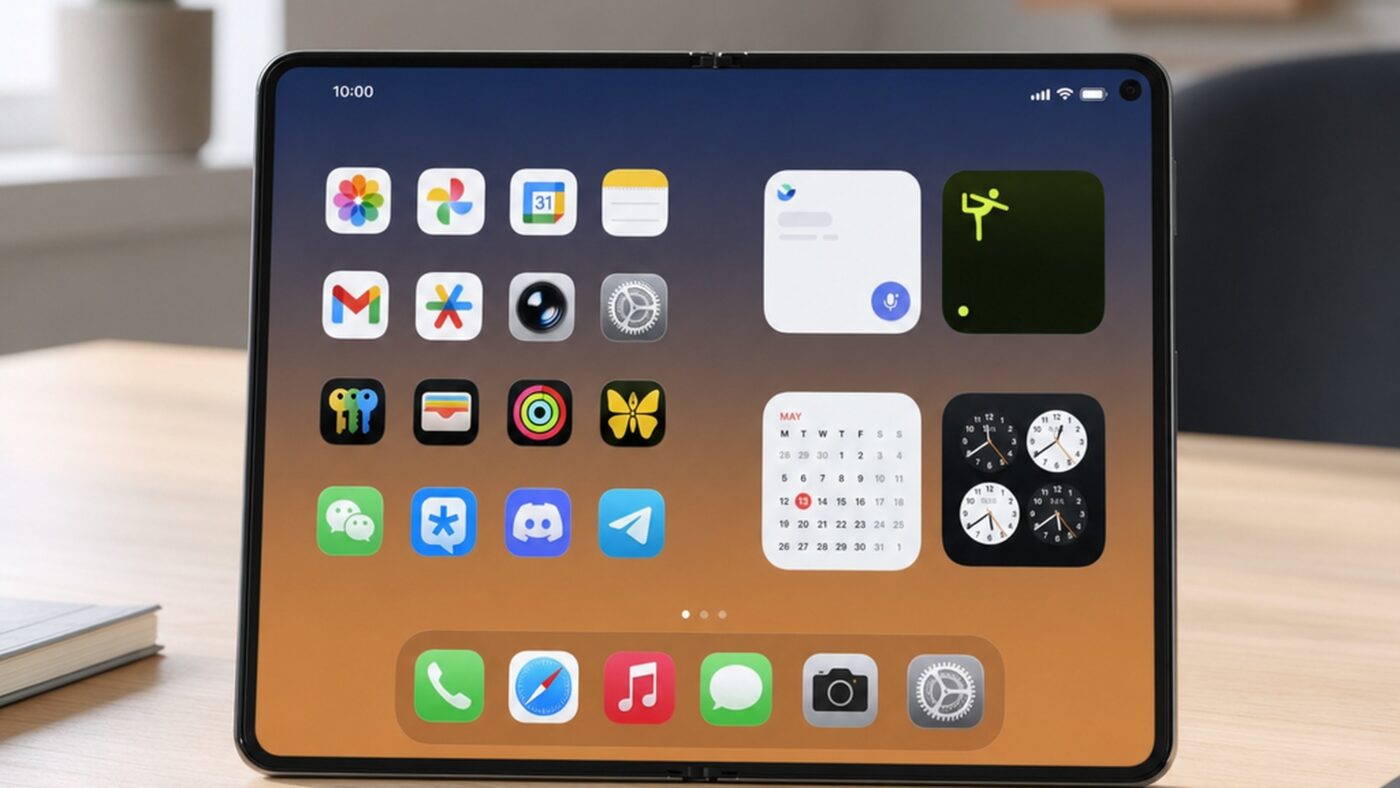
For a decade Apple let the rest of the industry fold its phones in half while it stayed flat and skeptical. That posture is ending. Across the iOS 27 developer betas, Apple has quietly rebuilt parts of the operating system in a way that only makes sense for a screen that is far wider than any iPhone sold today. No foldable was shown on stage at WWDC 2026, yet the software is acting like one is already in the building.
This is the most interesting kind of Apple leak, because it does not come from a rendered mockup or a supply chain whisper. It comes from Apple’s own code and its own developer guidance. This guide walks through exactly what changed in iOS 27, why each change points to a wide foldable many are calling the iPhone Ultra, how the device is expected to compare to Samsung’s Galaxy Z Fold, what developers need to do about it now, and which parts of the story are still rumor rather than fact.
What Is the iPhone Ultra, and When Will Apple Release It
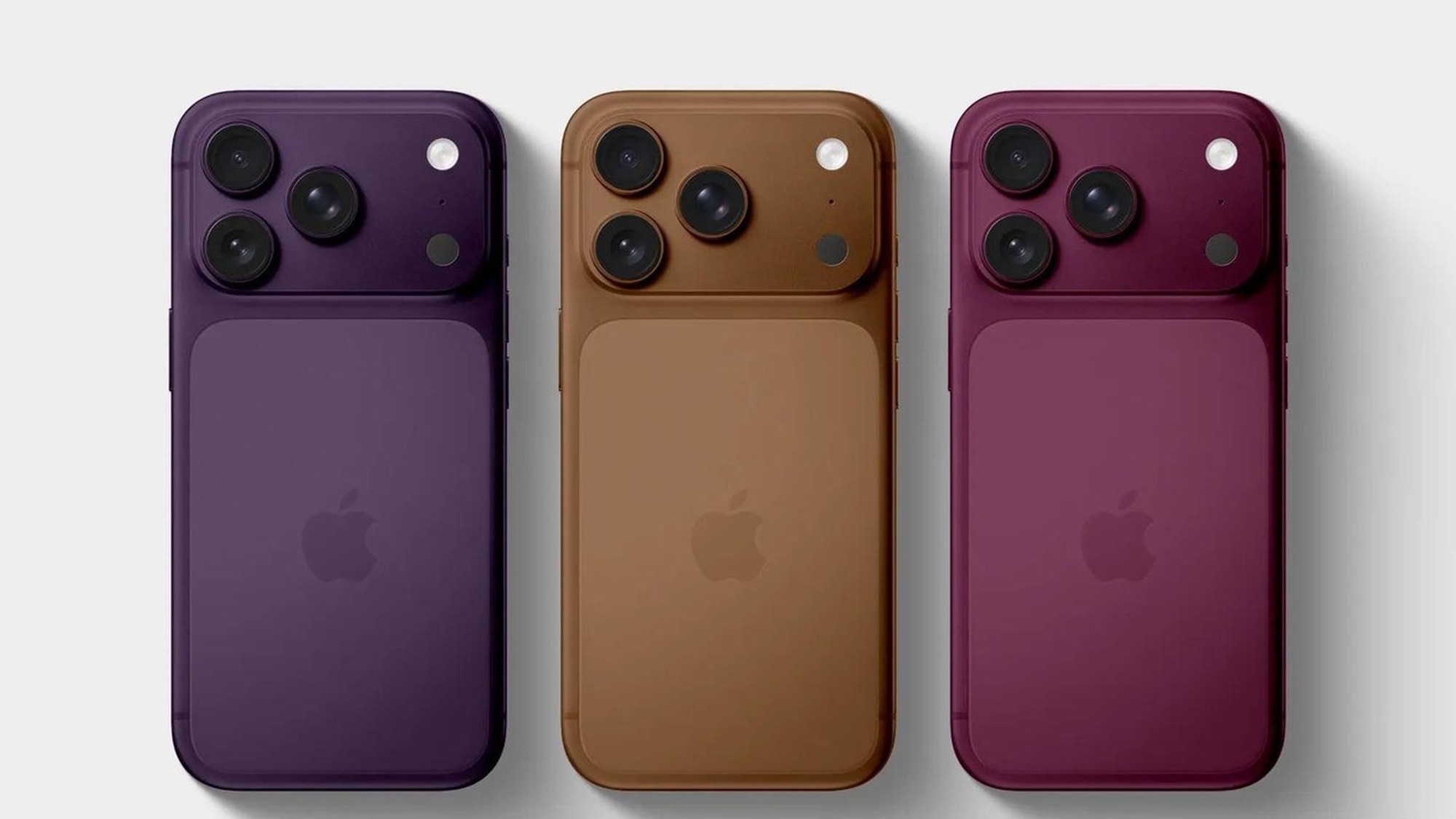
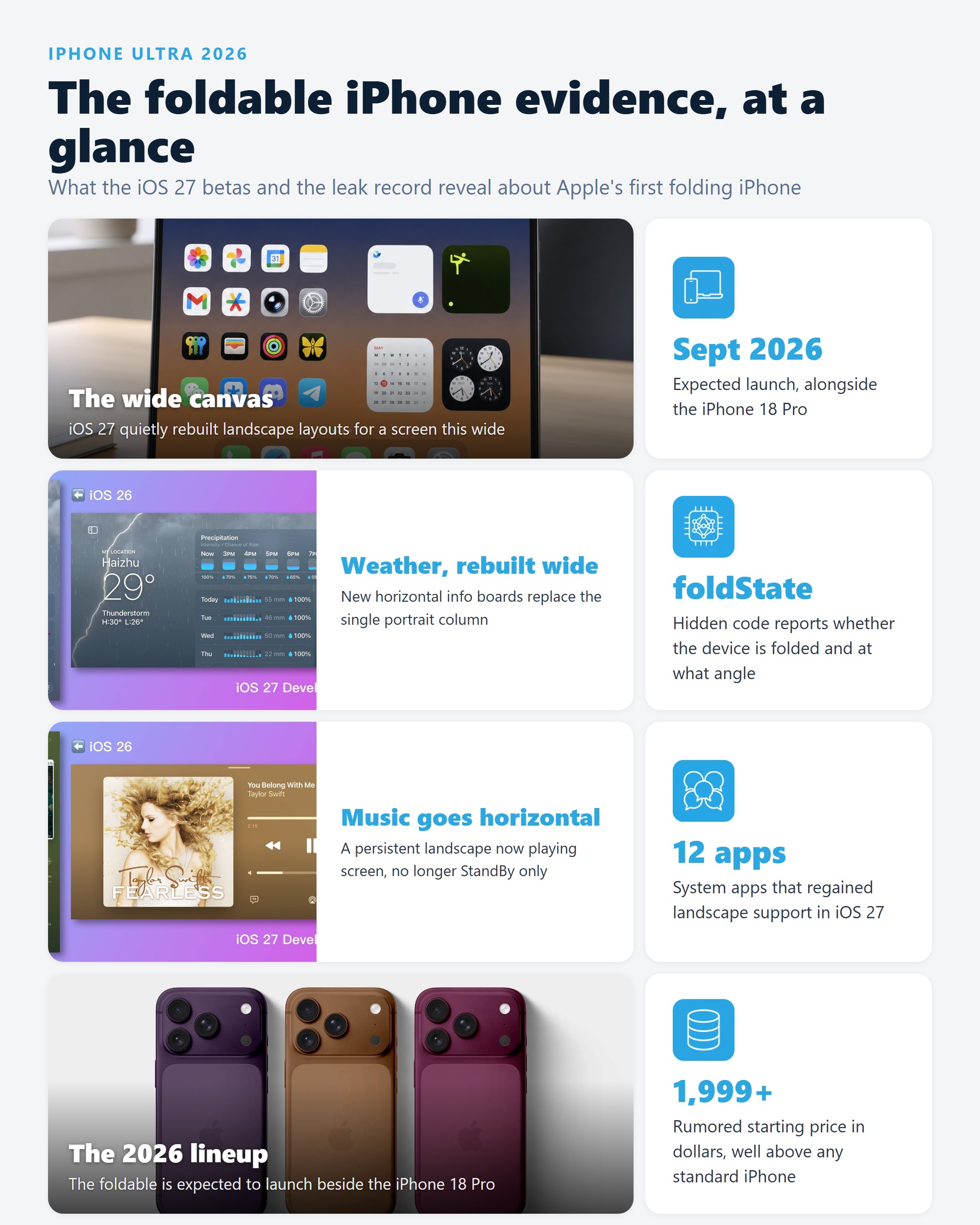
The iPhone Ultra is the name attached to Apple’s first foldable iPhone, although the reporting is split between iPhone Ultra and the plainer iPhone Fold, and Apple has confirmed neither. Whatever it is called, the description is consistent: a book style device that folds open into a tablet sized canvas, with a smaller cover screen for one handed use when shut. According to rumors rounded up by Macworld’s foldable iPhone report, it is expected to arrive in September 2026 next to the iPhone 18 Pro, with the standard iPhone 18 and a cheaper 18e following in spring 2027.
The headline specifications are all still leaks, so treat them that way. The inner display is reported at roughly 7.8 inches and the cover display near 5.5 inches. Apple is said to have chased a crease free hinge regardless of cost, which would be a genuine differentiator if it ships, because the visible fold line is the first thing skeptics point at on every Android folding phone. To make room inside the thin folded body, leaks suggest two compromises: Touch ID in the power button instead of the Face ID array, and a dual camera with no dedicated telephoto. In our view, the crease free claim is the single rumor most worth watching, because it is the one thing that would let Apple argue this is a foldable done the Apple way rather than a catch up product.
What is the iPhone Ultra foldable, in one sentence?
The iPhone Ultra is Apple’s first foldable iPhone, a book style device that opens into a wide tablet sized screen, widely expected to launch in September 2026.
September 2026, alongside the iPhone 18 Pro, per leaks rounded up by Macworld.
A roughly 7.8 inch inner screen and a 5.5 inch cover screen, both figures still rumored.
iOS 27 restored landscape mode across system apps and hid foldable code in its frameworks.
Between 1,999 and 2,399 dollars, with high storage tiers reportedly pushing higher.
How iOS 27 Quietly Confirmed the Foldable iPhone
Here is the part that turns rumor into something closer to evidence. Developer Sam Henri Gold, digging through the iOS 27 beta frameworks, surfaced internal strings that have no purpose on a phone that does not bend. The two that matter most are foldState and angleDegrees, status values designed to tell the system whether a device is folded and at what angle it currently sits. Coverage from The Next Web noted a related mechanicalAngleDegrees reference and a function whose job is to count how many built in displays a device has.
Read together, those strings describe a very specific kind of hardware. A device that can be folded, that can report how far it has been opened, and that may report more than one logical display is not a normal iPhone. It is a foldable. It is worth noting that none of this is marketing language Apple chose to publish. It is plumbing left in shipping beta code, which is why it carries more weight than a concept render. Our read of the iOS 27 betas is that the software trail is more convincing than any leaked photo precisely because Apple did not intend for anyone to read it as an announcement.
There is a second, blunter signal sitting right next to the hidden strings. Apple spent years stripping landscape orientation out of iPhone system apps, and in iOS 27 it abruptly put it back across a long list of them. You do not rebuild landscape layouts for a tall, narrow phone that people already hold upright. You rebuild them for a screen that is about to get a lot wider.
Which iOS 27 System Apps Already Got Landscape Mode Back
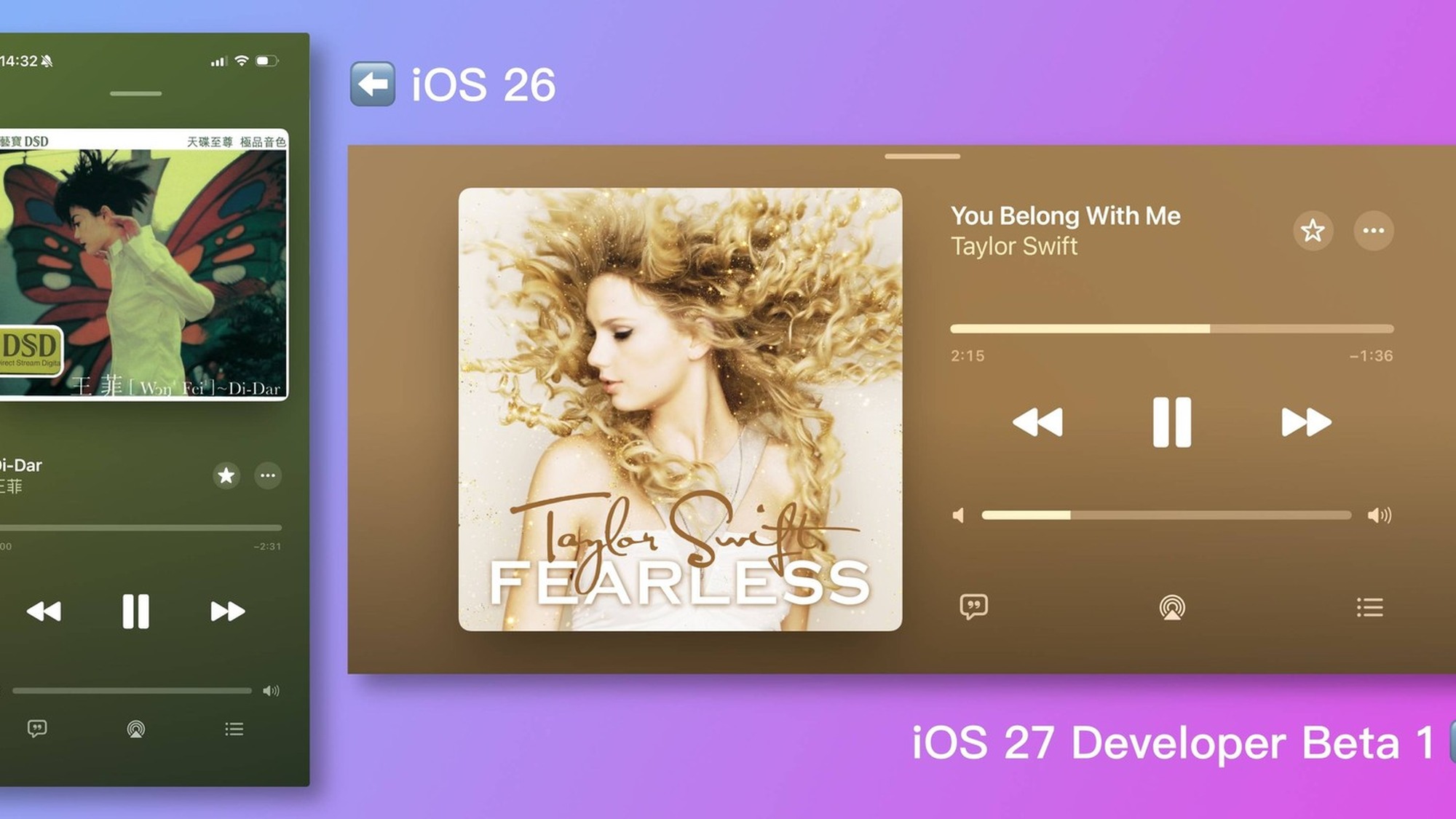
The landscape restoration is the most visible clue because anyone running the beta can see it. After years of portrait only behavior that started around iOS 14, Apple returned horizontal layouts to a cluster of first party apps. Reporting from TechRepublic lists the affected apps as Find My, Fitness, Health, Home, Music, Podcasts, Reminders, Shortcuts, Watch, Weather, Voice Memos, and even the Apple TV Remote.
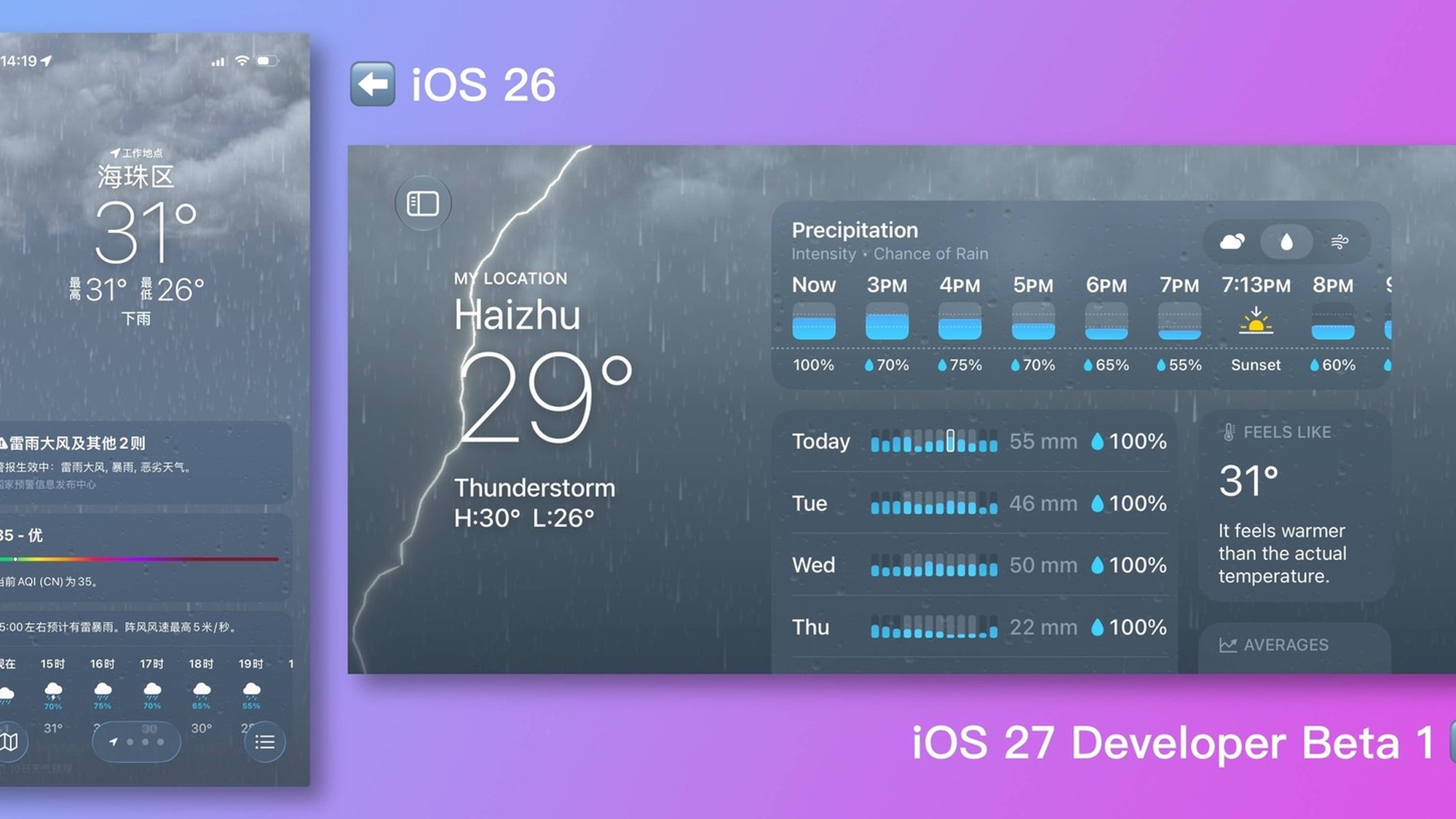
Two of those redesigns go beyond a simple rotation. The Weather app gained a dedicated wide layout with horizontal information boards that lay precipitation, hourly forecasts, and conditions side by side rather than stacking them in a single column. The Music now playing screen, which previously only spread out in StandBy mode, now holds a persistent horizontal layout with the artwork on one side and the controls on the other. These are not auto rotations of a portrait design. They are purpose built wide layouts, and a company does not invest in purpose built wide layouts for hardware it has no plans to sell.
The Sidebar and Toolbar Redesign Behind the Wide Screen
The third pillar of the evidence is structural, and it is the one developers will feel most directly. iOS 27 introduced a refreshed sidebar with stronger visual hierarchy and clearer separation between navigation and content, the kind of two pane layout that is wasted on a narrow phone but essential on a wide one. Alongside it, Apple reworked the toolbar so that buttons can appear, hide, or regroup based on the window size rather than sitting in a single fixed arrangement.
That flexibility is the tell. A toolbar that adapts to window size is solving a problem a traditional iPhone does not have, because a traditional iPhone has exactly one window size. Pair the adaptive toolbar with the new sidebar and you have the standard recipe every platform uses to scale one app gracefully from a small screen to a large one. Apple is shipping that recipe to iPhone now, ahead of the hardware that needs it.
Designing iOS Apps for the Foldable iPhone Screen
If you build apps, the message from WWDC 2026 was unusually direct. At the Platforms State of the Union, Apple told developers to design for a dynamic range of sizes and aspect ratios instead of targeting specific device dimensions, and it backed that up by enabling resizable iOS apps in iPhone Mirroring and on iPad. The practical translation is to stop hardcoding orientations and screen shapes, because the screen shape is about to become a moving target.
How to design an iOS app for the foldable iPhone
Apple’s WWDC 2026 guidance is to stop building for one fixed phone shape and start building for a range of sizes and aspect ratios that change while the app is open.
Lay out against compact and regular width and height classes so the same code fills the folded and unfolded canvas.
The iOS 27 sidebar and resizable toolbar collapse and expand with window size, the core pattern for a wide screen.
Apple added resizable iOS apps to iPhone Mirroring and iPad, so test how your view reflows mid session, not just at launch.
Hidden foldState and angleDegrees values let an app react to whether the device is open, half open, or shut.
The good news for developers who already did their homework is that none of this is new technology. Size classes, Auto Layout, and SwiftUI adaptive containers have existed for years to handle exactly this problem. Apps that respected those tools instead of pinning everything to a fixed iPhone width will scale onto a wide foldable canvas with little extra work. In practice, apps that hardcoded a 390 point width will look stretched and broken on day one. Apple’s full guidance lives in its Human Interface Guidelines, and the WWDC framing makes clear that following it is no longer optional.
What Developer Tools and APIs Apple Provides for Foldable Apps
Beyond the design advice, Apple has been seeding the actual building blocks. The size class system remains the backbone, letting an app describe its layout in terms of compact or regular width and height rather than pixel counts, so the same interface fills both the folded cover screen and the unfolded main screen. The new resizable window support means an app must now handle its view reflowing while it is running, not just deciding a layout once at launch.
Then there are the foldable specific hooks hiding in the betas. The foldState and angleDegrees values, if Apple exposes them through a public API, would let an app do genuinely useful things: pause a video when the device is folded shut, prop content into a half folded laptop posture for video calls, or shift a layout the moment the screen opens. The display counting function points the same way, giving apps a sanctioned way to ask how many screens they are actually drawing to. These are the same categories of API that Android folding phones have offered for years, which tells you Apple studied the playbook before writing its own.
Will the Foldable iPhone Support Split Screen and Multiple Windows
This is the question that decides whether a foldable iPhone is a productivity device or just a big phone, and the iOS 27 groundwork leans toward the ambitious answer. The combination of resizable apps, the adaptive sidebar and toolbar, and the display counting code all point to an interface that can host more than one app at once on the wide inner screen. Apple already proved it can do real multitasking on iPadOS, and iOS 27 is borrowing that vocabulary.
The caution worth holding is that Apple tends to ship a more restrained version of a feature than the rumor mill predicts. A first generation foldable iPhone may launch with a conservative two app split rather than the freeform window soup that power users imagine. The plumbing supports multiwindow, but Apple’s history says it will introduce it carefully. Still, the foundation in iOS 27 makes split screen on the iPhone Ultra look like a when, not an if.
iPhone Ultra vs Samsung Galaxy Z Fold
Samsung has shipped book style foldables for more than six years, so the obvious question is how a first generation iPhone Ultra stacks up against a mature Galaxy Z Fold. The honest comparison is hardware parity against software maturity, and the two companies are arriving from opposite directions.
| Feature | iPhone Ultra (rumored) | Samsung Galaxy Z Fold |
|---|---|---|
| Status | Unannounced, expected September 2026 | Shipping now, multiple generations in market |
| Form factor | Book style fold, wide inner display | Book style fold |
| Inner display | About 7.8 inches (rumored) | About 8 inches |
| Cover display | About 5.5 inches (rumored) | About 6.5 inches |
| Crease | Reported crease free hinge | Visible but reduced over generations |
| Biometrics | Touch ID expected, no Face ID | Side mounted fingerprint |
| Multi window | Built on the iOS 27 adaptive layout work | Mature, with desktop mode and free windows |
| Software polish | First generation foldable software | Six plus years of foldable refinement |
| Price | 1,999 to 2,399 dollars (rumored) | Around 1,999 dollars |
Samsung’s advantage is that its foldable software has been beaten into shape over many releases, with mature multi window, a desktop mode, and a deep bench of apps already adapted to the big screen. However, Apple’s advantage, if the leaks hold, is hardware refinement like the crease free hinge and the integration of a single app ecosystem that Apple controls end to end. The wildcard is third party app support: Samsung had to coax Android developers into adapting, while Apple is pre loading iOS 27 with the tools to make adaptation close to automatic for well built apps.
Wide Format or Clamshell: The Pros and Cons of Each Foldable Design
Foldables split into two shapes. The book style wide format, which the iPhone Ultra is rumored to use, opens a small phone into a large near square canvas. The clamshell flip style, like Samsung’s Z Flip or Motorola’s Razr, folds a normal sized phone down into a pocketable square. They solve different problems, and Apple’s reported choice says a lot about who the iPhone Ultra is for.
| Aspect | Wide format book fold | Clamshell flip fold |
|---|---|---|
| Main benefit | A tablet sized screen for multitasking and media | A full phone that shrinks to fit a small pocket |
| Closed size | Thick, normal phone footprint | Compact square, very pocketable |
| Best for | Productivity, reading, split screen apps | Portability, style, one handed everyday use |
| Price tier | Premium, often 1,999 dollars and up | More affordable, often under 1,200 dollars |
| Durability concern | Larger hinge and screen to protect | Smaller fold area but constant open and close |
The case for Apple choosing the wide format is that it extends what an iPhone can do rather than just changing how it stores. A near square inner screen turns the device into a genuine iPad rival for split screen work and reading, which justifies a flagship price. Compared to a clamshell, however, the book fold is heavier, thicker, and pricier, which is why some buyers will always prefer the cheaper, more pocketable flip design. Apple appears to be betting that its first foldable should expand the iPhone upward into iPad territory, not sideways into fashion accessory territory.
The Biggest Myths About Apple’s Foldable iPhone
A topic this hyped collects misconceptions fast, so it is worth clearing the most common ones. The first myth is that iOS 27 officially announced the foldable. It did not. Apple showed no foldable hardware and named no device. What exists is decoded beta code and developer guidance, which is strong circumstantial evidence, not a confirmation.
The second myth is that any current app will simply work perfectly on the big screen. Apps built with adaptive layout will scale well, but apps that hardcoded a fixed iPhone width will look stretched until their developers update them, which is the entire reason Apple is pushing the adaptive layout message so hard. The third myth is that the foldable will be a niche curiosity. The volume of system level work in iOS 27, restored landscape across a dozen apps, a new sidebar and toolbar model, hidden fold sensing code, is far more than Apple would invest for a one off experiment. The fourth myth is the price. A foldable iPhone will not cost the same as a Pro model. Every credible leak puts it near or above 2,000 dollars, so anyone expecting a mainstream price should reset that expectation now.
What Developers and Users Are Actually Saying
The reaction has been louder among developers than consumers, and it splits along a clear line. Across Reddit threads and the wider iOS developer community, in the discussions that followed Sam Henri Gold’s code findings, the recurring sentiment is a mix of validation and irritation. Developers report validation because the hidden foldState strings confirm what the WWDC layout guidance implied, and irritation because Apple is asking for real layout rework while refusing to name the device that justifies it. The single most repeated complaint is that adapting an app to a dynamic aspect ratio is non trivial work to do on faith, before any hardware is official.
Among enthusiasts, the dominant mood is cautious belief rather than hype, and what users say in those threads keeps circling one specific objection. The skeptics keep making a point that deserves respect: Apple removed landscape support from these same apps years ago, so seeing it return is not automatic proof of a foldable, it could be a broader push toward adaptive interfaces across iPhone Mirroring and iPad. That is a fair counter. In our view it does not survive contact with the hidden fold sensing code, because resizable layouts alone do not require an app to know the physical angle of a hinge. When the layout work and the angle sensing code show up in the same beta, the simplest explanation is the obvious one.
The Future of Apple Foldables Beyond the First iPhone Ultra
A first generation product is rarely the real story, and Apple’s foldable ambitions appear to reach past the iPhone Ultra. The same software foundation that supports a folding phone, adaptive layouts, fold state awareness, and multi display logic, is exactly what a folding iPad or even a foldable Mac like device would need. Building that foundation once, inside iOS 27 and its sibling operating systems, lets Apple amortize the work across a family of folding devices rather than a single phone.
The more immediate future is a familiar pattern. A pricey, supply constrained first generation aimed at early adopters and developers, followed by refinement and a gradual price descent as yields improve and the second and third generations arrive. If the iPhone Ultra lands in September 2026 as expected, the interesting years are 2027 and 2028, when the software is mature, the apps are adapted, and Apple can push the form factor down into more accessible price tiers. For a sense of how Apple is expanding its device lineup in parallel, our look at the Apple smart glasses N50 covers another new category Apple is preparing at the same time.
The Bottom Line
The foldable iPhone is no longer a question of if, it is a question of how Apple frames the reveal. The iOS 27 betas have already done the hard part of the argument: restored landscape across a dozen system apps, a sidebar and toolbar built to scale, an unusually direct developer push toward adaptive layouts, and hidden foldState and angleDegrees code that only a bending device would ever use. None of it is a stage confirmation, and the hardware specifics remain leaks, but the software does not lie about its intentions. If you build apps, the work to do is clear and worth starting now. If you are a buyer, the realistic read is a September 2026 launch at a flagship price, and a first generation device whose biggest promise, a crease free wide screen running software that was quietly ready for it, is the part most worth watching. To understand the AI layer that will ride on top of all this, our breakdown of Apple Intelligence and the new Siri AI covers what iOS 27 is bringing beyond the screen.
- iOS 27 already lays the software groundwork, so well built apps should fill the big screen on day one rather than running stretched
- A wide inner display turns the iPhone into a genuine multitasking and media canvas, closing the gap with iPad
- Apple reportedly engineered the hinge to remove the visible crease that marks current Android folding phones
- Restored landscape support across Weather, Music, Health and more makes the large screen useful, not just bigger
- Everything is still rumor and decoded beta code, Apple has confirmed no foldable hardware on stage
- The reported 1,999 to 2,399 dollar price puts it far above any standard iPhone
- Leaks suggest no telephoto camera and Touch ID instead of Face ID to save internal space
- Third party apps only benefit if developers do the migration work to adaptive layouts, which takes time
Frequently Asked Questions
What is the iPhone Ultra foldable phone and when will Apple release it?
The iPhone Ultra is the rumored name for Apple’s first foldable iPhone, a book style device that opens into a tablet sized screen. Leaks rounded up by Macworld point to a September 2026 launch alongside the iPhone 18 Pro. Apple has not officially announced it, but iOS 27 contains heavy software groundwork for a folding device.
How does iOS 27 reveal Apple’s foldable iPhone plans?
iOS 27 restored landscape mode across a dozen system apps including Weather, Music, and Health, redesigned the sidebar and toolbar to adapt to window size, and contains hidden framework strings named foldState and angleDegrees. A developer also found code that counts how many built in displays a device has. Together these only make sense for a folding screen.
What is the rumored price of the iPhone Ultra foldable in 2026?
Credible leaks put the iPhone Ultra between 1,999 and 2,399 dollars, with higher storage tiers reportedly pushing past that. That places it well above any standard iPhone and in line with premium Android foldables like the Samsung Galaxy Z Fold. Apple has not confirmed pricing, so treat these figures as estimates.
Will the foldable iPhone support split screen and multiple app windows?
The iOS 27 groundwork strongly suggests yes. Apple enabled resizable iOS apps, redesigned the sidebar and toolbar to scale, and added code that detects multiple displays. Apple already runs real multitasking on iPad, so the iPhone Ultra is likely to support split screen, though a first generation device may launch with a conservative two app layout rather than free windows.
How does the iPhone Ultra compare to the Samsung Galaxy Z Fold?
Both are book style foldables, but they arrive from opposite directions. Samsung brings six plus years of mature foldable software with multi window and a desktop mode. Apple, if leaks hold, brings hardware refinement like a reported crease free hinge and tight ecosystem integration. The iPhone Ultra is a first generation device facing a deeply refined rival.
How should developers design iOS apps for the foldable iPhone?
Apple told developers at WWDC 2026 to design for a dynamic range of sizes and aspect ratios rather than fixed device dimensions. The practical steps are to use size classes instead of hardcoded widths, adopt the new adaptive sidebar and toolbar, support live window resizing, and prepare to read fold state. Apps built this way will scale onto the wide screen with little extra work.