
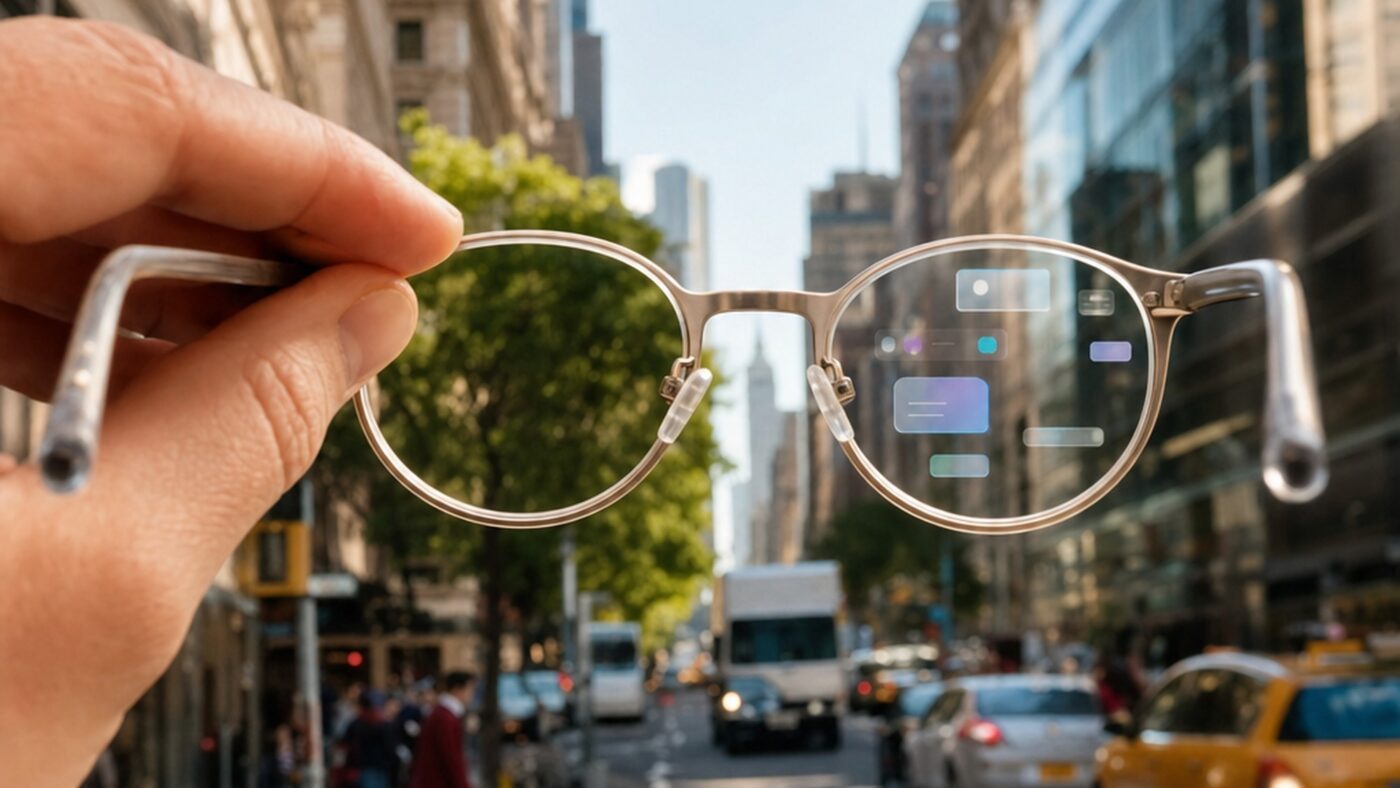
Apple has never been first to a product category, and it has rarely needed to be. The company let other brands define the MP3 player, the smartphone, the smartwatch, and the wireless earbud, then arrived later with a version most people actually wanted. Smart glasses look like the next chapter in that pattern. After years of pouring money into the 3,499 dollar Apple Vision Pro, Apple is now building something far more ordinary looking: a pair of camera equipped AI glasses, known inside the company as N50, meant to sit on your face all day and quietly disappear.
Nothing here is official yet. Almost everything we know traces back to Bloomberg’s Mark Gurman, whose supply chain reporting on Apple’s roadmap has a strong track record. This guide pulls that reporting together with the wider smart glasses market data to answer the questions buyers are actually asking: what the N50 will do, when it might arrive, how it stacks up against Ray-Ban Meta and the Vision Pro, and whether glasses without a screen are a clever feature or a compromise.
What Are AI Smart Glasses, and How Do They Work?
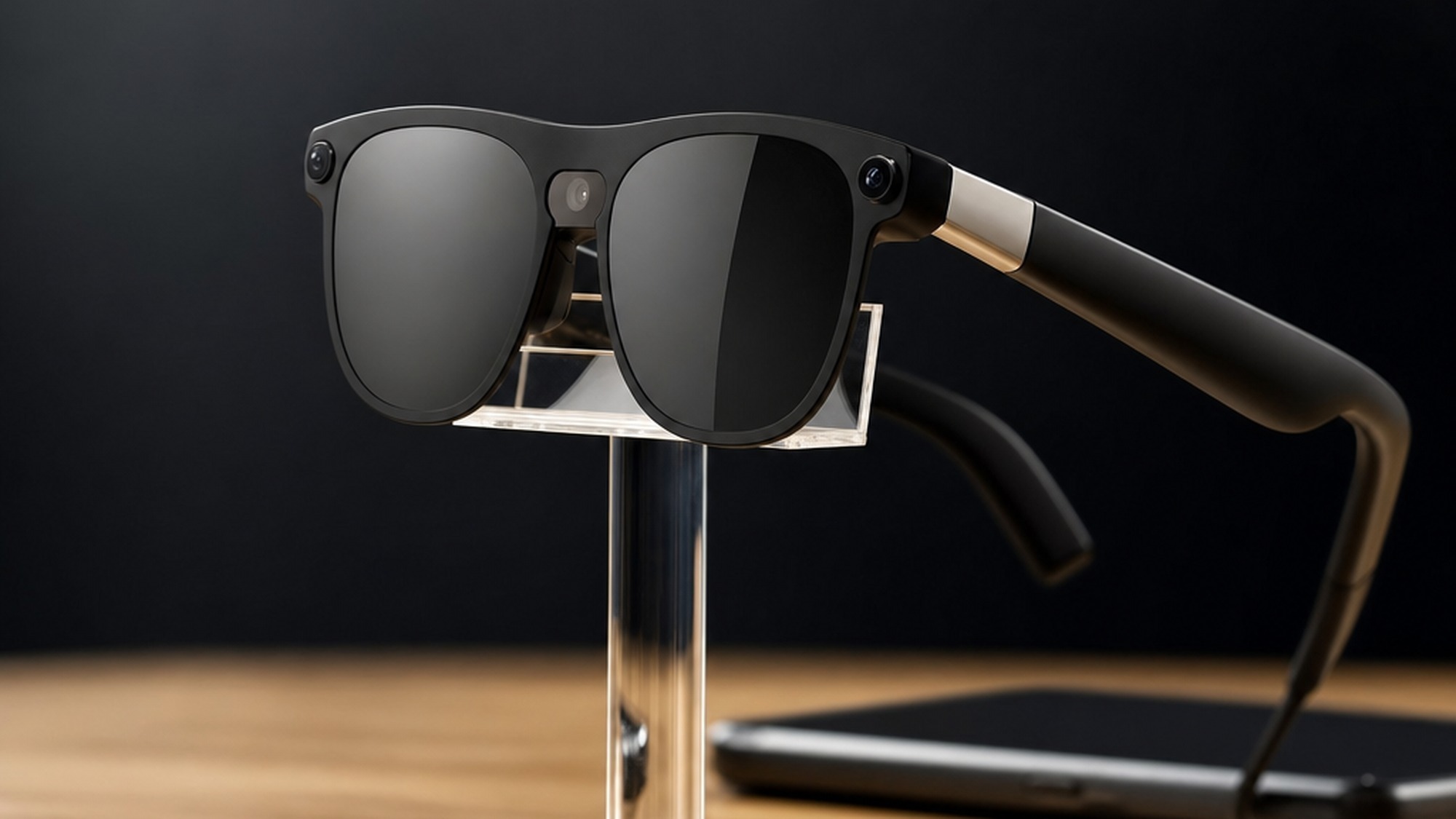
Before getting to Apple specifically, it helps to define the category, because the phrase smart glasses now covers three very different things. Display glasses such as the Vision Pro or AR headsets project images directly into your view. Audio glasses are essentially open ear headphones in a frame. The fast growing middle group, the one Apple is targeting, is AI camera glasses: ordinary looking frames with a camera, microphones, and speakers but no screen, that lean on a voice assistant and a paired phone to do the thinking.
The mechanics are deliberately simple. The glasses sense the world, using a camera to see and microphones to hear you and your surroundings, then deliver feedback through tiny speakers and a subtle cue. The actual intelligence, recognizing a landmark, translating a sign, answering a question, runs on a connected phone and in the cloud. That division of labor is what lets the frames stay light enough to wear for hours, and it is exactly the model Apple is reported to be following.
What are AI smart glasses with a camera?
AI smart glasses are ordinary looking frames fitted with a camera, microphones, and speakers but no display. They capture what you see and hear, hand the data to a paired phone and the cloud for processing, then answer back through audio and a voice assistant. Apple’s N50 is reported to follow exactly this no screen, phone dependent design.
Apple N50: Features and Expected Release Date
Here is what the reporting describes. The N50 is a pair of glasses, not a headset, designed to look like normal eyewear so people will actually wear them in public. Gurman reports the frames use acetate, a material he describes as more durable and luxurious than standard plastic, offered in multiple styles with small oval camera housings. Inside sit a camera, microphones, and speakers. There is no display in the lenses, at least not in this first generation.
What the glasses are meant to do reads like a checklist of everything Ray-Ban Meta already does, plus Apple’s software layer: take photos and video, handle phone calls, play music, deliver notifications, give walking navigation, recognize what you are looking at, and translate speech in real time. The thread tying it together is a hands free, upgraded Siri backed by Apple Intelligence and the company’s Visual Intelligence features, so you talk to the glasses rather than tap them.
The timing has slipped. Apple originally aimed to reveal the N50 around the end of 2026, but in late May 2026 Gurman reported the launch had moved to late 2027. The reason, according to that reporting, is Apple wanting more time to make its visual AI good enough that the first generation does not underwhelm. A separate, more ambitious display equipped Vision Air model has reportedly been pushed to the 2028 to 2029 window. In our view, the delay is the most revealing detail in the whole roadmap: Apple would rather be late than ship glasses whose AI cannot keep up with Meta’s.
On price, the reporting points to a 200 to 500 dollar range, which would put the N50 in mainstream accessory territory rather than the premium tier. That is a deliberate contrast with the Vision Pro and a clear signal that Apple wants volume, not a halo product.
How Apple Smart Glasses Will Work With Your iPhone
The single most important thing to understand about the N50 is that it is not a standalone computer. It is a sensor and speaker package that borrows your iPhone’s brain. This is the same strategy Apple used to launch the Apple Watch in 2015, which began life almost entirely dependent on a paired iPhone before slowly gaining its own cellular and processing independence over later generations.
Based on the reporting, the iPhone handles the heavy lifting in practice: running the apps, connecting to the network, processing the camera feed, and querying Apple Intelligence. The glasses handle sensing and feedback. This split is why the frames can stay light and last a reasonable day on a charge, and it is also why an iPhone will almost certainly be required to use them.
How the glasses and your iPhone divide the work
The N50 is expected to sense and respond while your iPhone does the computing, the same companion model Apple used for the first Apple Watch.
A camera, microphones, and speakers capture what you see and hear, then play audio back to you.
Apps, networking, and the camera feed are processed on the phone you already carry every day.
Siri and Visual Intelligence handle recognition, translation, and questions through the cloud.
A spoken request replaces tapping a screen, so the glasses fade into the background of your day.
Apple Smart Glasses vs Ray-Ban Meta
Ray-Ban Meta is the product Apple is chasing, and it is not a soft target. EssilorLuxottica, Meta’s eyewear partner, has reportedly scaled production toward 10 million units a year, and according to Meta, daily active usage of its glasses jumped more than 60 percent after it added Meta AI. Global smart glasses shipments rose around 210 percent year over year in 2024, a surge analysts at IDC attribute largely to Ray-Ban Meta demand. That is a two plus year head start and a real installed base, with Ray-Ban Meta frames now starting around 224 dollars.
| Feature | Apple N50 | Ray-Ban Meta | Apple Vision Pro |
|---|---|---|---|
| Type | AI camera glasses | AI camera glasses | Mixed reality headset |
| Display | None (first generation) | None | Dual micro OLED |
| Reported price | 200 to 500 USD | From about 224 USD | 3,499 USD |
| AI assistant | Siri plus Apple Intelligence | Meta AI | Siri on visionOS |
| Status | Reported late 2027 | On sale now | On sale now |
Where Apple has an obvious edge is the ecosystem. An N50 that ties into iMessage, Apple Maps, Apple Music, AirPods grade audio, and a Siri that finally has Apple Intelligence behind it is a more coherent package for the billion plus people already inside Apple’s walls. However, where Meta is ahead is shipping, iterating, and learning from real users right now, while Apple is still polishing its software in a lab. The gap Apple has to close is not the hardware. It is the visual AI.
Are Apple Smart Glasses the Same as the Vision Pro?
Short answer: no, and conflating the two misreads Apple’s strategy. The Vision Pro is a 3,499 dollar mixed reality headset with dual micro OLED displays, designed for immersive computing while you sit in a room. The N50 is a sub 500 dollar pair of glasses with no display at all, designed to be invisible on a sidewalk. One is a spatial computer you sit down with. The other is an accessory you forget you are wearing.
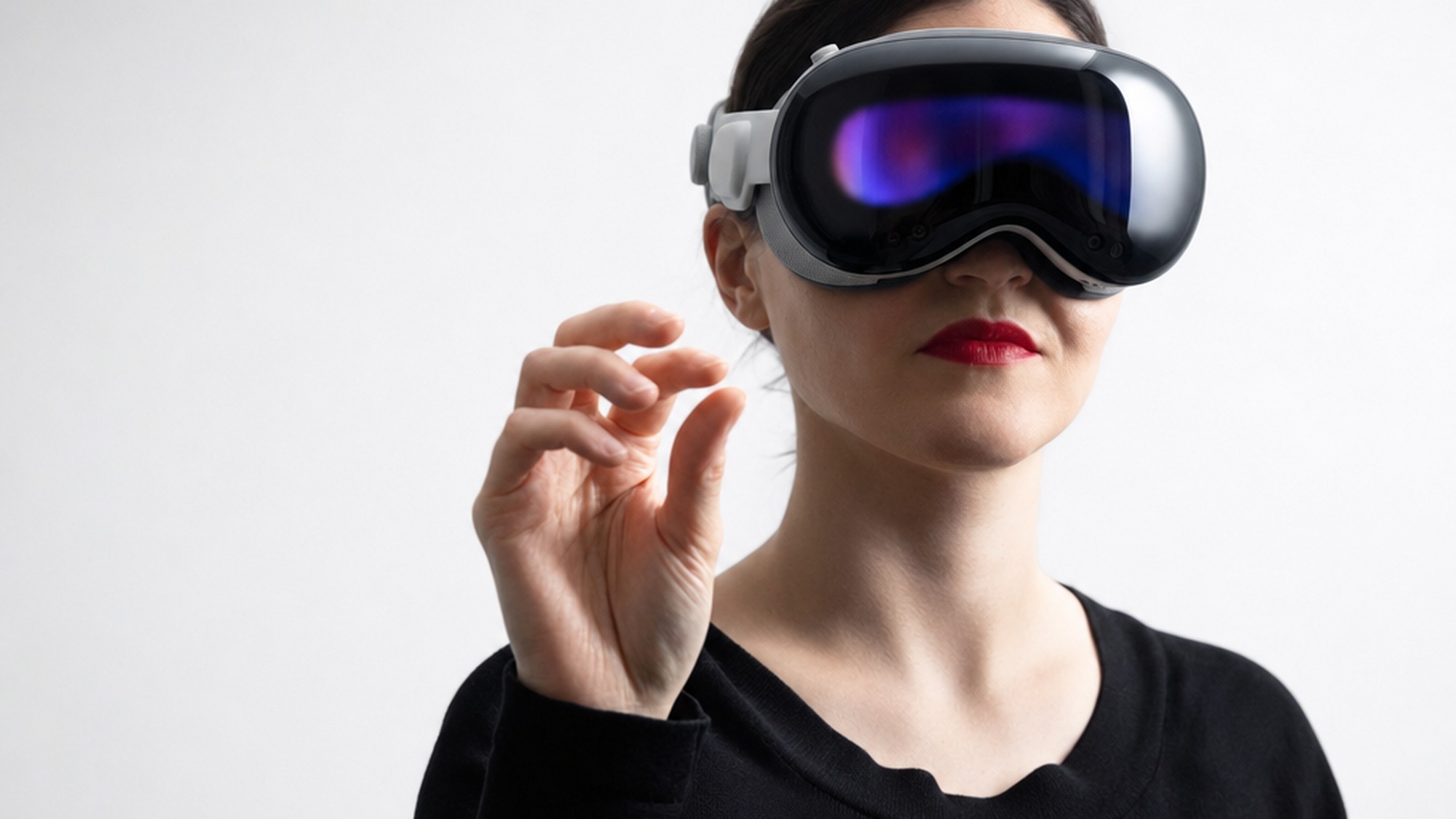
The two devices represent the two ends of Apple’s wearable bet. The Vision Pro is the expensive technology demonstrator that proves what is possible, the concept car of the lineup. The N50, like the more affordable Vision Air reportedly coming behind it, is the attempt to turn that research into something millions of people will actually buy. The Vision Pro shows the ceiling. The N50 is built to find the floor, the price and the form factor where smart eyewear finally goes mainstream.
The Apple Watch Playbook: Why No Display Might Be the Point
It is tempting to read no display as Apple falling behind, but the more likely truth is that it is a calculated choice, and the Apple Watch is the template. The benefits of AI glasses without a built in display are real: dramatically lower weight, far better battery life, lower cost, and none of the eye strain, dim outdoor visibility, or social awkwardness that a glowing lens can create. A display also adds bulk and heat, the two things most likely to make glasses uncomfortable after an hour.
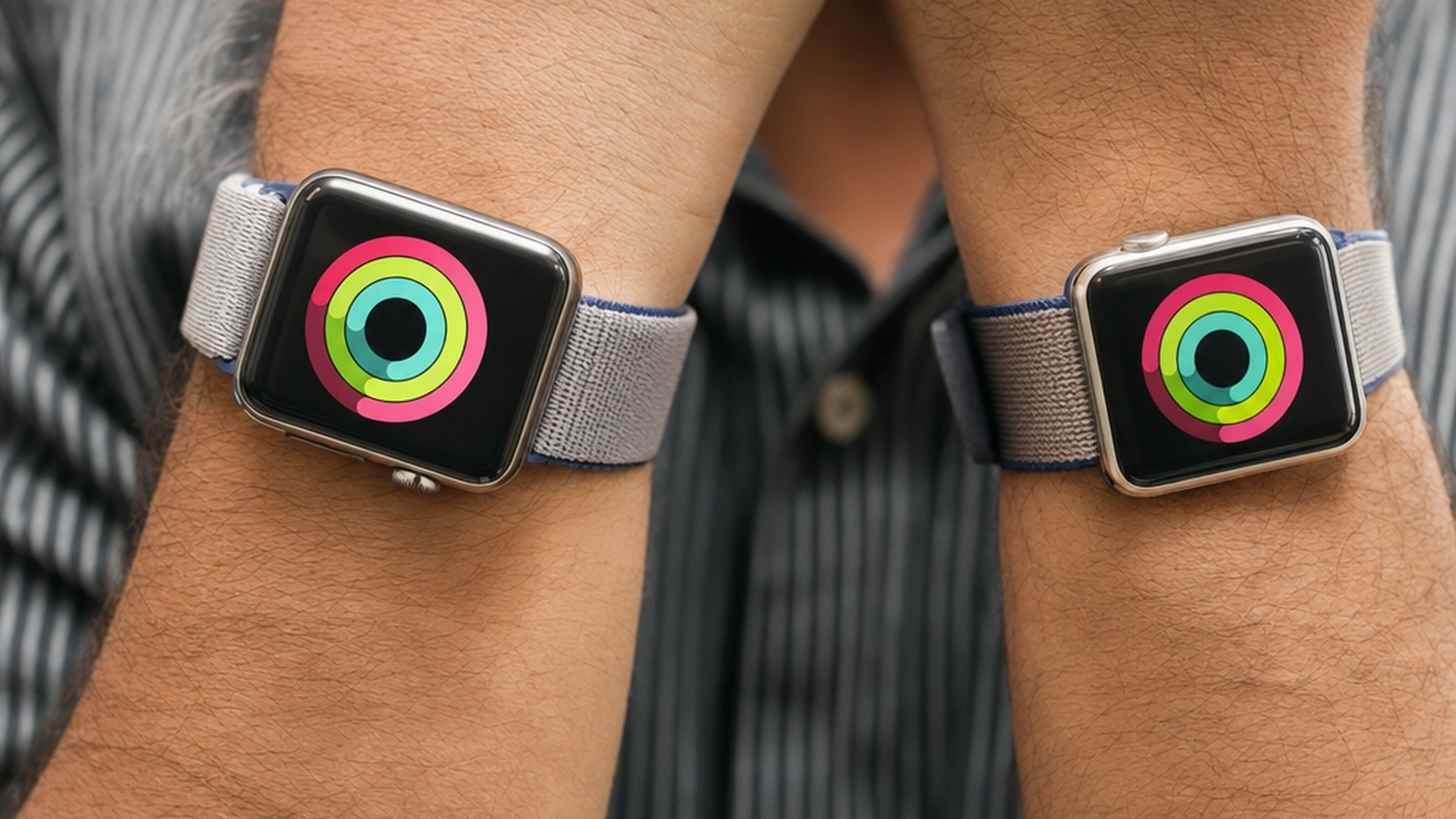
Apple has run this play before. The first Apple Watch did less than some rivals on paper and leaned heavily on the iPhone, but it nailed comfort and daily usefulness, then expanded from there. A no display N50 that absolutely nails audio, camera quality, and a responsive Siri could win the same way: by being the pair people actually keep on their face, with a screen arriving only once the technology is light and efficient enough to deserve one. Worth noting, getting all day comfort right matters far more for adoption than bolting on a screen too early, a lesson the wearable market has learned the hard way.
How Big Is the Smart Glasses Market?
The reason every major tech company is suddenly making glasses is the size of the prize. The global eyewear market is worth roughly 200 billion dollars a year, with billions of units sold annually, and almost none of them are smart yet. That is an enormous base to convert.
The growth is already steep. Global smart glasses shipments reached 14.77 million units in 2025, up 44.2 percent year over year, with China alone accounting for 2.46 million units, up 87.1 percent, according to industry shipment data. Research firm Omdia forecasts the AI glasses market to pass 10 million units in 2026 and reach 35 million by 2030, an impressive compound annual growth rate near 47 percent. Compared to the broader consumer electronics slump, that trajectory is an outlier, and other analysts are even more bullish on the near term, projecting unit sales roughly tripling in 2026 as Apple and Samsung prepare to enter.
| Metric | Figure | Source |
|---|---|---|
| 2025 global shipments | 14.77M units, up 44.2 percent | Industry shipment data |
| China 2025 shipments | 2.46M units, up 87.1 percent | Industry shipment data |
| 2026 forecast | More than 10M units | Omdia |
| 2030 forecast | 35M units, near 47 percent CAGR | Omdia |
| Global eyewear market | About 200B USD per year | Industry estimate |
The takeaway is that Apple is not late to a niche. It is timing its entry to a market that is bending sharply upward, betting that its software and ecosystem can capture mainstream buyers just as the category crosses from early adopters into the mass market.
Which Companies Are Making AI Smart Glasses Besides Meta and Apple?
Meta and Apple get the headlines, but the field is already crowded, which is part of why Apple feels pressure to move. Meta itself is expanding beyond Ray-Ban into Oakley frames and fashion partnerships through EssilorLuxottica. Google is back in with Android XR, a glasses platform it is building alongside Samsung and Warby Parker, with Gentle Monster also signed on for style led frames.
In China, the competition is fierce and shipping now: Xiaomi, Huawei, Alibaba, and Baidu, plus specialists like Rokid, RayNeo, and iFlytek, are all selling AI or display glasses, several of them lighter than anything Apple has shown. We have looked closely at a couple of these already, including the display equipped iFlytek AI Glasses and the wider effort to put Apple Intelligence and rival assistants at the center of daily computing. The lesson from that crowd is that hardware is no longer the moat. Almost anyone can build light frames with a camera. What separates the winners is the quality of the AI and how cleanly it ties into a phone, which is precisely the bet Apple is making by waiting.
What People Are Actually Saying
Because the N50 does not exist in public hands yet, there is no ownership feedback to draw on, only reaction to the leaks, and across Reddit and YouTube the community reaction splits cleanly. The recurring skepticism is hard to miss: many users say a display less first generation at 200 to 500 dollars has to justify itself against a Ray-Ban Meta that already does photos, calls, and AI for less. The single most common question is whether glasses with no screen are exciting enough to be a flagship at all, a doubt the 250,000 plus views on explainer videos asking exactly that suggest is widespread.
The more optimistic thread leans on Apple’s track record with the Watch and AirPods, both of which were dismissed at announcement and went on to define their categories. Our read of the discourse is that the genuine swing factor is privacy and social acceptance: the same worry that follows every camera you wear into a room. Apple’s brand and its on device privacy messaging may matter here more than any spec, and it is the one area where being late, and watching how the public reacts to Meta, could turn into an advantage.
The Bottom Line
Apple’s smart glasses are shaping up to be a classic Apple move: not first, not the most feature packed on paper, but aimed squarely at the comfort, ecosystem, and everyday usefulness that turn a gadget into a habit. The reported no display design, the 200 to 500 dollar target, and the iPhone dependence all point to a device built for volume, the Apple Watch strategy applied to your face. The open questions are real, a late 2027 timeline that has already slipped once, a two year deficit to Meta, and the unproven state of Apple’s visual AI. But in a smart glasses market forecast to more than double by 2026 and hit 35 million units by 2030, Apple does not need to be early. It needs to be the version people actually want to wear, and that has always been the company’s specialty.
- An ordinary eyewear look built for genuine all day wear, not a bulky headset
- Deep integration with iMessage, Apple Maps, Apple Music, and a Siri backed by Apple Intelligence
- A reported 200 to 500 dollar price aims at the mainstream rather than the Vision Pro tier
- Acetate frames in multiple styles, reported to feel more durable and premium than plastic
- The no display design keeps weight and cost down and battery life up
- Nothing is official yet, every detail traces back to supply chain reporting, not Apple
- The launch has already slipped from 2026 to late 2027
- No in lens display in the first generation, so on screen visual answers wait for a later model
- Meta has a two year head start and a real installed base to catch
- A worn camera on your face raises the same privacy questions that follow every pair
Frequently Asked Questions
When will Apple release its smart glasses?
According to Bloomberg’s Mark Gurman, Apple now targets a late 2027 launch for the N50 glasses, slipped from an earlier plan to reveal them around the end of 2026. A separate, more advanced display equipped model often called Vision Air has reportedly been pushed to the 2028 to 2029 window. None of this is officially confirmed by Apple.
How much will Apple smart glasses cost?
Reporting points to a price between 200 and 500 dollars, placing the N50 firmly in mainstream accessory territory. That is a deliberate contrast with the 3,499 dollar Vision Pro and signals that Apple is chasing volume. For reference, Ray-Ban Meta currently starts around 224 dollars, so Apple would be pricing into an established band.
Will the first Apple smart glasses have a display?
No. Reporting is consistent that the first generation N50 has no display in the lenses. Information comes back through audio and a hands free Siri rather than projected visuals. A display equipped pair is expected later, but Apple is reportedly starting with a lighter, simpler, screenless design first.
Do Apple smart glasses need an iPhone to work?
Almost certainly yes. The N50 is designed as a companion device, with the iPhone handling apps, networking, and the heavy AI processing while the glasses handle sensing and audio feedback. This mirrors how the original Apple Watch launched in 2015, deeply tied to a paired iPhone before gaining more independence over later generations.
What will Apple smart glasses be able to do?
Based on reporting, the glasses will take photos and video, handle phone calls, play music, deliver notifications, give walking navigation, recognize what you are looking at, and translate speech in real time. The connecting thread is an upgraded, hands free Siri powered by Apple Intelligence and the company’s Visual Intelligence features.
Are Apple smart glasses better than Ray-Ban Meta?
It is too early to say, because Apple’s product is not out. On paper, Apple’s advantage is its ecosystem and a Siri finally backed by Apple Intelligence, while Meta’s advantage is a two plus year head start and millions of glasses already in use. The real battleground is the quality of the on glass AI, not the hardware.