
1. Unique Hook: The “ChatGPT Moment” for Physical Chores
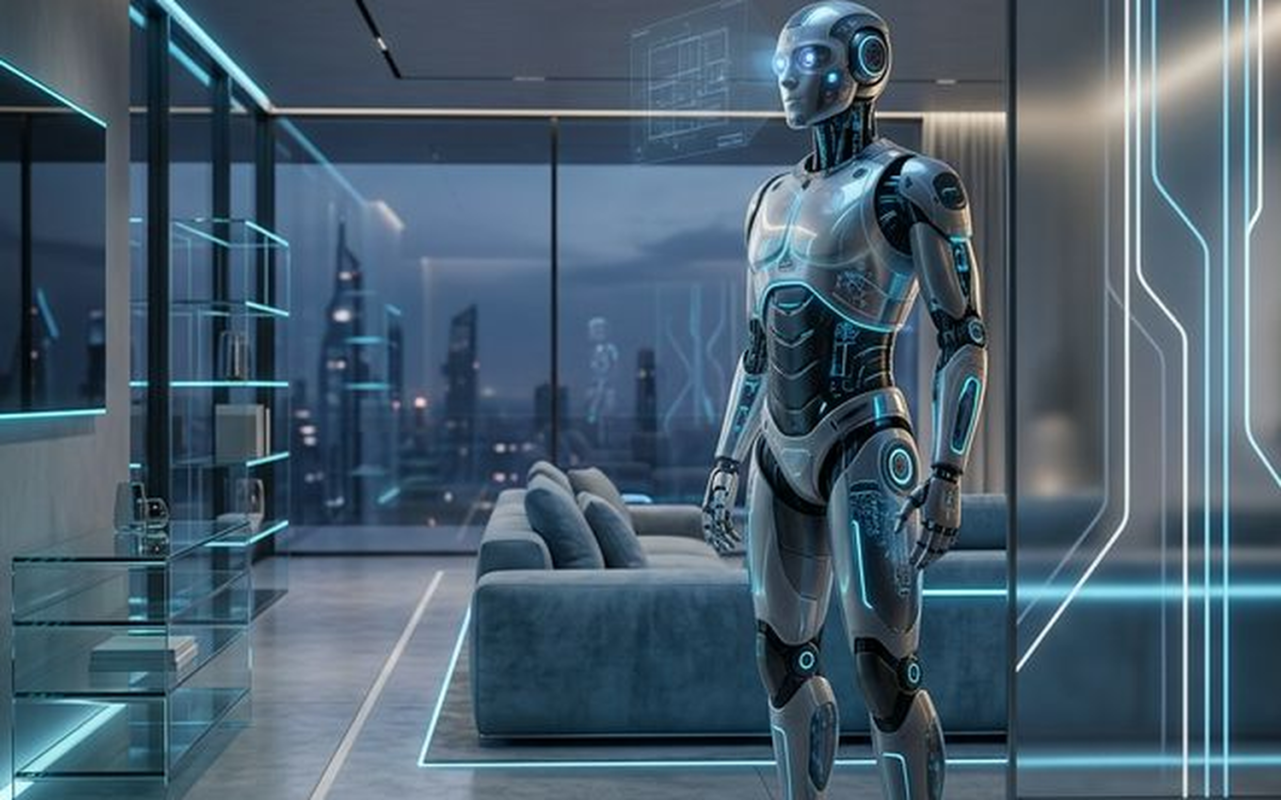
A viral video from March 2026 shows a humanoid robot walking into a messy living room, identifying misplaced toys, tossing them into a bin, spraying a table, wiping it down, and turning off the television. All of this happens in one continuous shot without human remote control. This is the Figure 03 hardware powered by the new Figure Helix 02 AI model.
Achieving this level of autonomy is notoriously difficult. The core issue in robotics is “loco-manipulation,” the ability for a machine to balance on two legs, move across a room, and dexterously handle soft or fragile objects simultaneously. Figure’s latest system treats the entire robot body as a single neural network, processing visual data directly into physical motion.
2. The Core Problem: Why Most Robots Move Like They Are Paid by the Hour
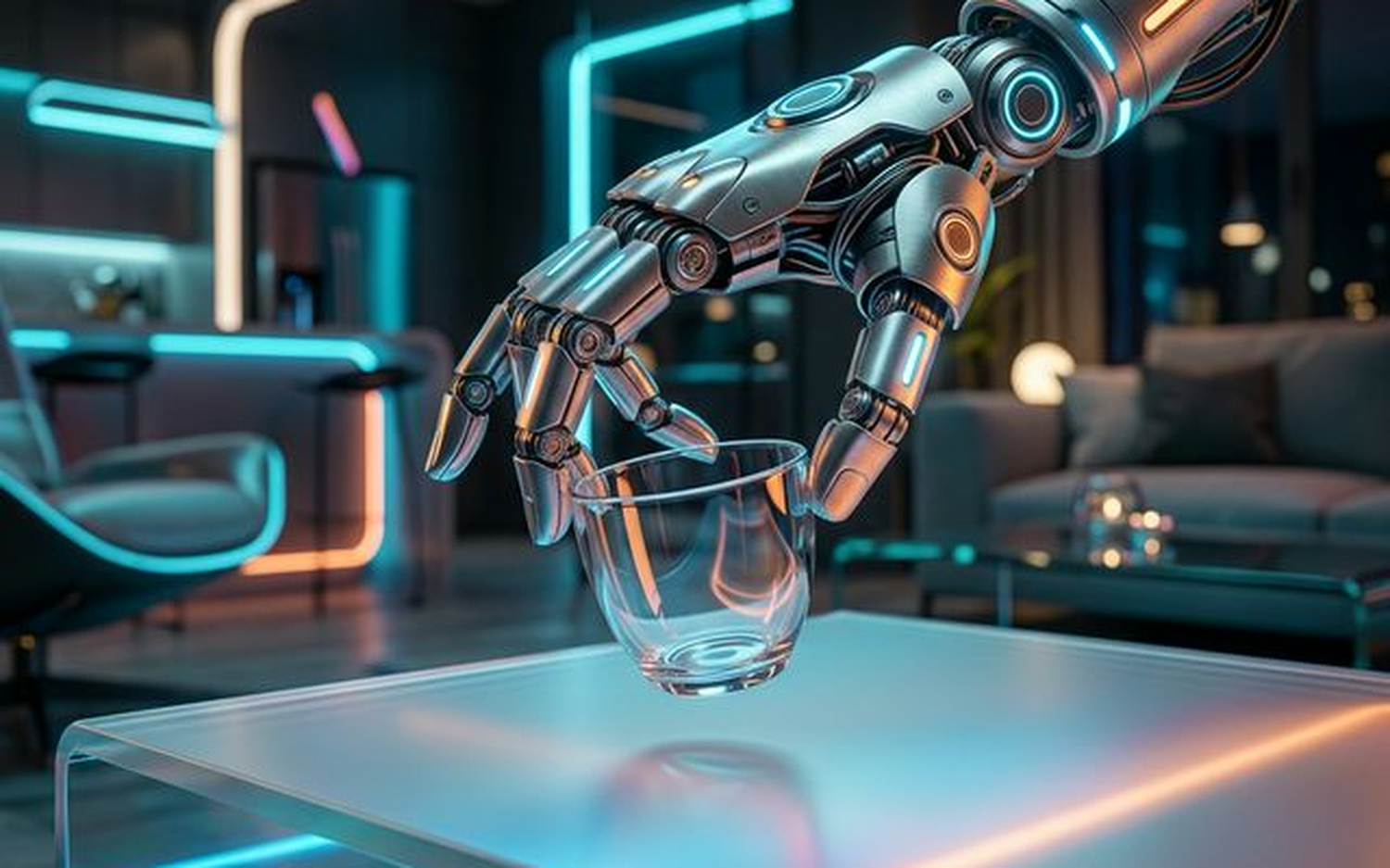
Earlier humanoid robots operate on a rigid “stop-move-stop” paradigm. If a robot needs to pick up a mug from a counter, it must walk to the destination, halt, stabilize its core, and then command its arm to reach out. This compartmentalized processing is slow and unnatural. Processing vision, calculating joint angles, maintaining balance, and manipulating objects at the same time has proven an immense hurdle for academic researchers.
Figure ai helix 02 full-body autonomy solves this bottleneck. Software engineers traditionally wrote thousands of lines of code to script every joint movement. The Helix 02 model drops this approach entirely.
3. Hard Features Breakdown: Inside the Figure 02 Helix Model Architecture
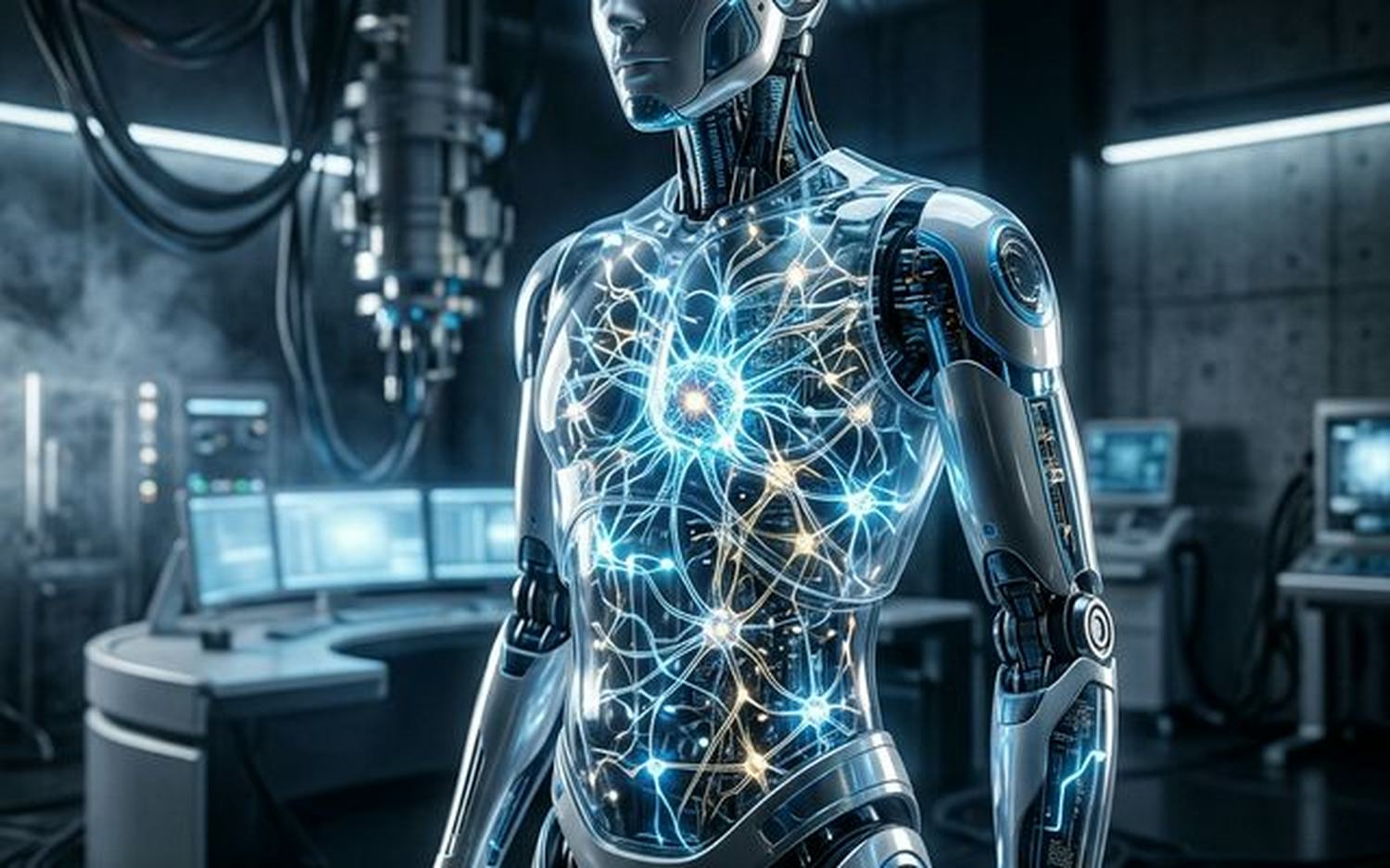
How does the Figure Helix 02 system function? The solution is a three-layer neural architecture handling sensory input and physical output simultaneously.
System 2 (The Slow Thinker)
Operating at a deliberate 7 to 10 Hz, System 2 serves as the cognitive brain. It handles semantic reasoning and high-level planning. When looking at a room, it identifies a cup sitting on a sofa and decides it belongs in the kitchen sink.
System 1 (The Fast Thinker)
System 1 is the visuomotor policy running at a rapid 200 Hz. It acts as the motor cortex, actively converting visual feeds and tactile data into precise joint targets across the robot’s entire frame.
System 0 (The Spinal Cord)
System 0 is a 1 kHz neural prior trained on over 1,000 hours of human motion data. Figure states this single neural network replaces over 100,000 lines of manual C++ code (Figure AI, 2026). It inherently understands balance, contact, and whole-body coordination.
This three-layer figure 02 helix ai software relies heavily on the physical sensors of the Figure 03 hardware. The robot utilizes 16-degree-of-freedom hands, each equipped with palm cameras and fingertip sensors capable of detecting forces as light as 3 grams. To appreciate how sensor fusion drives modern hardware, you can refer to our vivo X300 Ultra MWC Hands-on Review highlighting how dense camera arrays manage depth and object recognition.
- Height: 168 cm (5’6″)
- Payload: 25 kg
- Battery: 2.25 kWh (5 hours runtime)
- Hands: 16 DOF with palm cameras & 3g tactile sensors
Watch Figure’s hands-on breakdown for a real-world perspective:
4. Real-World Trade-offs: Is the Figure 02 by Helix Ready for Your Home?
What tasks can Figure Helix 02 perform? In early 2026, the robot completed a 4-minute continuous test involving 61 distinct, unscripted actions to unload and reload a dishwasher (TechLoy, 2026). It even used its foot to nudge the dishwasher door open when its hands were full.
However, the reality of domestic robotics is complex. The estimated commercial lease price for these units is between $30,000 and $150,000, severely limiting consumer access. Additionally, observers on Reddit have pointed out the slow operating speeds. The robot moves cautiously, which prevents it from being an immediate substitute for human labor in a chaotic, pet-filled household. Continuous high-performance AI processing also generates massive heat, an issue familiar to power users. We noted similar thermal constraints in high-end mobile processors as detailed in our iQOO 15 Ultra Review: Active Cooling & Battery Test.
The goal of these B2B deployments is data collection. Figure robots transmit data via 10Gbps mmWave connections to continually train the next iteration of the Helix model.
5. Direct Competitor Comparison: Figure AI Helix 02 vs. The Field
How does Figure Helix 02 compare to Tesla Optimus? The market is currently split between affordable hardware relying on imitation learning and expensive hardware prioritizing emergent reasoning.
| Humanoid Robot | AI Control System | Target Price / Availability | Primary Focus |
|---|---|---|---|
| Figure 03 (Helix 02) | Unified VLA full-body autonomy | ~$130,000 (B2B lease) | Complex dexterous loco-manipulation for industrial and future domestic use. |
| Tesla Optimus (Gen 3) | Vision-based imitation learning | ~$30,000 (Consumer aim) | Mass-market affordability and standard repetitive tasks. |
| Unitree G1 | Imitation learning & basic RL | ~$16,000 (Shipping now) | High-volume affordability, basic locomotion, but limited emergent AI reasoning. |
| Agility Digit | Disparate control modules | Enterprise lease | Pure warehouse logistics and tote handling. |
6. Final Verdict: Are We in the “Household Robot Era” Yet?
The figure ai helix 02 release january 2026 benchmark proves that neural networks can manage complex physical tasks natively. The successful BMW Spartanburg Plant trial, where Figure 02 hardware processed over 90,000 parts in 11 months, shows industrial viability. Home consumers will have to wait for manufacturing scale and software optimization to lower the hardware costs. But the foundation for an autonomous home assistant is distinctly visible in the Helix 02 architecture.
While you won’t be buying a Figure robot for your house tomorrow, the Helix 02 AI model proves that solving physical autonomy through scaling neural networks is achievable. The shift from manual C++ to unified VLA learning models is the true leap forward.
- Unprecedented full-body loco-manipulation
- Replaces manual code with trained neural networks
- Highly dexterous 16-DOF sensor-equipped hands
- Prohibitively expensive for consumers ($130k+)
- Movement speed remains cautious and slow
- Requires controlled environments for peak performance
Frequently Asked Questions
What is Figure Helix 02?
Figure Helix 02 is a Vision-Language-Action (VLA) AI model developed by Figure AI. It provides full-body autonomy for the Figure 03 humanoid robot, allowing it to navigate, balance, and manipulate objects simultaneously without human script coding.
How much does the Figure 03 robot cost?
The Figure 03, powered by Helix 02, is currently estimated to cost between $30,000 and $150,000, typically offered via B2B commercial leasing rather than direct consumer sales.
How is Figure Helix 02 different from Tesla Optimus?
Figure prioritizes advanced, unified neural network control (loco-manipulation) for highly dexterous tasks, creating a premium B2B robot. Tesla Optimus focuses on mass-market affordability and imitation learning for simpler repetitive tasks.

- Figure Helix 02 Review 2026: The AI Brain For Full-Body Autonomy - March 23, 2026
- OPPO Watch X3 Review: 5-Day Battery & Medical-Grade Health - March 21, 2026
- OPPO Find N6 Review 2026: Zero-Feel Crease, Hasselblad Imaging and 6000mAh Battery - March 20, 2026