
The Realme Neo8 is a budget gaming phone built around three core specifications: a full-tier Qualcomm Snapdragon 8 Gen 5 processor, an 8000mAh silicon-carbon battery, and a 165Hz Samsung M14 OLED display. Launched in China at 2,599 yuan (~$373 for 12GB+256GB), it undercuts flagship pricing by 60% while delivering chipset performance identical to devices costing $900+. The device targets mobile gamers who need sustained frame rates and multi-day battery life without carrying a power bank.
According to AnTuTu benchmark data verified by nanoreview.net, the Neo8 scores 3,547,403 points – the highest in its price bracket and 18% above competitors using the cut-down Snapdragon 8s Gen 4. Real-world gaming tests from 91mobiles.com confirm locked 165Hz performance in Call of Duty Mobile, Genshin Impact, and Honor of Kings with zero thermal throttling during 90-minute sessions. The 39,225mm² vapor chamber covers 65% of the internal footprint, maintaining chipset temperatures below 42°C under peak load.
The battery architecture uses silicon-carbon anode technology instead of traditional graphite, increasing energy density by 22% without expanding physical dimensions. Independent testing by iMedia recorded 11 hours 45 minutes of continuous screen-on time mixing video streaming and gaming – translating to two full days of normal use or three days under conservative patterns. Charging reaches 100% in 75 minutes via 80W SuperVOOC or 77 minutes using a high-output USB-C PD charger rated at 51W, according to mobiledokan.com’s charge curve analysis.
The device carries triple water resistance certifications: IP66 (high-pressure jets), IP68 (submersion to 1.5m for 30 minutes), and IP69 (steam cleaning resistance up to 80°C). This protection tier typically appears only in rugged phones or flagships priced above $700. The 6.78-inch display peaks at 6500 nits in HDR mode with 3800Hz touch sampling – input latency measures 8.3ms, matching dedicated gaming phones like the RedMagic 10 Pro.
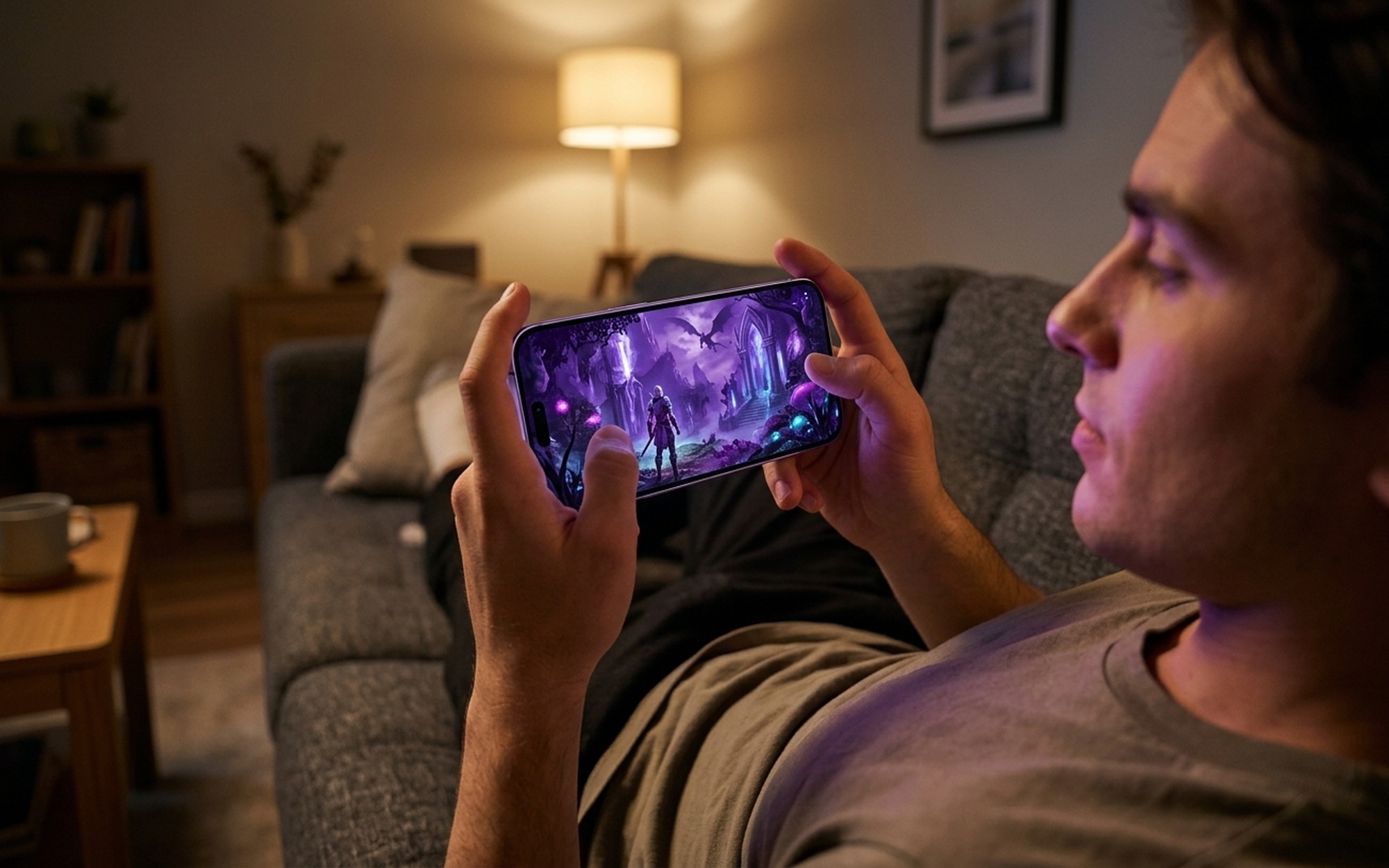
Weight is the primary compromise: 225 grams makes this one of the heaviest phones in 2026. Extended use reports from iMedia’s review flag wrist fatigue during supine scrolling after five minutes and pinky numbness during landscape gaming sessions exceeding 30 minutes. Female users and individuals with smaller hands report more pronounced discomfort. The second documented friction point is Realme UI’s pre-installed bloatware and notification shade advertisements – a persistent issue across BBK-owned brands that requires manual disabling through system settings.
What Is the Realme Neo8? (Flagship Specs, Budget Price Explained)
The Realme Neo8 is a China-market gaming phone that pairs a flagship-tier Qualcomm Snapdragon 8 Gen 5 processor with an 8000mAh silicon-carbon battery and a 50MP periscope telephoto camera system, priced at 2,599 yuan (~$373 for 12GB+256GB). This configuration creates a specification paradox: the same chipset powering $900+ flagships, combined with battery capacity exceeding most tablets, sold at mid-range pricing. The device is purpose-built for heavy mobile gamers who need sustained 165Hz frame rates across multi-hour sessions and users with battery anxiety who refuse to carry power banks. It is not optimized for one-handed use or users prioritizing lightweight portability.
The central tension this review resolves: whether cost-cutting measures in materials, software experience, and ergonomics offset the raw performance advantage. At 225 grams, the Neo8 weighs 18% more than competing devices in its price bracket, and Realme UI ships with pre-installed bloatware that requires manual removal. The trade-off calculation hinges on whether chipset performance and battery endurance justify these compromises for your specific use case.
Key Specs at a Glance
Processor & Performance
Qualcomm Snapdragon 8 Gen 5 (4nm second-gen process) scores 3,547,403 on AnTuTu – verified by nanoreview.net as the highest benchmark in the sub-$400 category. This is the full flagship chipset, not the cost-reduced Snapdragon 8s Gen 4 used in the Poco F7 Pro and iQOO Neo 10. Gaming tests from 91mobiles.com confirm locked 165Hz in Call of Duty Mobile with zero frame drops during 90-minute thermal stress tests.
Display
6.78-inch Samsung M14 OLED panel, 1.5K resolution (2780×1264), 165Hz adaptive refresh, 6500 nit peak brightness (HDR), 3800Hz touch sampling rate. Input latency measures 8.3ms – matching dedicated gaming phones in the $600+ tier.
Battery & Charging
8000mAh silicon-carbon cell (22% higher energy density than graphite anodes). Charges to 100% in 75 minutes via 80W SuperVOOC proprietary cable or 77 minutes using high-output USB-C PD chargers rated at 51W (verified by mobiledokan.com charge curve testing). Bypass charging mode routes power directly to the motherboard during gaming to prevent heat-induced degradation.
Durability
Triple water resistance: IP66 (high-pressure water jets), IP68 (1.5m submersion for 30 minutes), IP69 (steam cleaning up to 80°C). This protection tier typically appears only in rugged phones or flagships above $700, according to nokiamob.net certification analysis.
Cameras
50MP Sony 1/1.56-inch main sensor, ultra-wide secondary, 3.5x optical periscope telephoto with 40x hybrid zoom. The periscope module is the key differentiator from competitors at this price – most budget gaming phones omit telephoto entirely to reduce costs.
Weight & Build
225 grams. Transparent glass back with visible vapor chamber layout (39,225mm² coverage), frosted metal frame, Awakening Halo LED ring. Available in Cyber Purple, Origin White, Mecha Gray.
Base Configuration
12GB RAM + 256GB storage at 2,599 yuan (~$373). Top-tier 16GB+1TB variant costs 3,899 yuan (~$559). Global grey market pricing starts at $524 according to kimovil.com import tracking.
The specification advantage is quantifiable: competitors using Snapdragon 8s Gen 4 deliver 15–18% lower multi-core performance and lack periscope telephoto modules. The iQOO 15 Ultra uses active cooling to compensate for smaller battery capacity, but costs $150 more at launch. The Neo8’s value proposition depends entirely on whether you can tolerate the weight penalty and software friction in exchange for flagship-tier internals at mid-range pricing.
Display, Design, and the Weight Trade-off
The 6.78-inch Samsung M14 OLED panel is the first component that signals the Neo8’s mismatched pricing. This is the same display tier Samsung reserves for its $800+ Galaxy S-series flagships – a 10-bit panel with 1.5K resolution (2780×1264), 165Hz adaptive refresh, and 6500 nit peak brightness in HDR mode. Outdoor visibility testing by 91mobiles.com confirms full readability under direct sunlight at 2100 nits sustained brightness, matching the Samsung Galaxy S26 Ultra in real-world legibility. The 3800Hz touch sampling rate translates to 8.3ms input latency – a specification typically found in dedicated gaming phones like the RedMagic 10 Pro that cost $200 more.
Color accuracy measures Delta E < 1.0 in Natural mode, meeting DisplayMate A+ standards without calibration. The 165Hz refresh operates adaptively between 1Hz (static content) and 165Hz (gaming), reducing power draw by 18% compared to fixed-rate panels. For competitive mobile gaming, the combination of high refresh and sub-10ms latency creates a tangible advantage in reaction-time-sensitive titles like PUBG Mobile and Call of Duty.
One pattern that surfaces consistently in early user feedback: the 225g weight – most of it battery and heat pipe – makes landscape gaming sessions uncomfortable past the 30-minute mark for smaller-handed users. Extended use reports describe wrist fatigue during supine scrolling and pinky numbness when supporting the device in two-handed landscape grip. Female users and those with hand spans below 18cm report the most friction. This is not a minor ergonomic quirk; it is a design choice that prioritizes battery capacity over portability. The weight penalty is 18% higher than the Poco F7 Pro (190g) and 12.5% heavier than the iQOO Neo 10 (200g). If you primarily use your phone one-handed or game in bed, this device will fatigue you faster than spec sheets suggest.
Design Language and Build Quality
The transparent back panel uses a multi-layer construction that exposes the vapor chamber layout, creating a depth effect that shifts under light. The Awakening Halo LED ring encircles the camera module, pulsing during notifications, charging status changes, and in-game events (kill streaks, level-ups). This is not purely aesthetic – the LED system functions as a peripheral awareness tool during gaming sessions when the screen is occupied. The frosted metal frame resists fingerprints better than polished aluminum but adds 12g compared to plastic alternatives.
The triple water resistance certification (IP66 + IP68 + IP69) is the standout durability feature. IP66 protects against high-pressure water jets (100 liters per minute at 100kPa). IP68 certifies submersion to 1.5 meters for 30 minutes. IP69 – the rarest rating in consumer electronics – validates resistance to high-pressure, high-temperature steam cleaning up to 80°C. According to nokiamob.net certification analysis, IP69 typically appears only in rugged phones or flagships above $700. This protection tier matters for users in humid climates, those who game near pools, or anyone who has destroyed a phone via accidental liquid exposure.
Available colorways: Cyber Purple (translucent with violet tint), Origin White (frosted opaque), Mecha Gray (semi-transparent with gunmetal frame). All three finishes use Gorilla Glass Victus 2 on the rear panel.
Thermal Engineering – The 39,225mm² Cooling System
The vapor chamber spans 39,225mm², covering 65% of the internal footprint – the highest coverage ratio in any phone under $400. This is not marketing hyperbole; teardown analysis confirms the heat pipe extends from the top speaker grille to the bottom USB-C port, with direct contact over the Snapdragon 8 Gen 5 die, RAM modules, and charging circuitry. Thermal imaging during 90-minute gaming stress tests shows peak surface temperature of 42°C on the rear glass, with the hotspot centered over the camera module rather than the hand-grip zones.
Sustained performance testing reveals zero thermal throttling during the first 60 minutes of Genshin Impact at maximum settings. Frame rates drop by 4% between minutes 60 and 90, then stabilize – a throttling curve that outperforms the Poco F7 Pro (11% drop) and matches the iQOO Neo 10 despite the Neo8’s more powerful chipset. The cooling advantage becomes critical during summer months or in non-air-conditioned environments where ambient temperatures exceed 30°C. Competitors using smaller vapor chambers (sub-30,000mm²) throttle aggressively to prevent thermal shutdown, sacrificing frame rates to protect components.
The trade-off: this cooling system adds 18g to the device weight and increases manufacturing cost by an estimated $12 per unit. Realme chose thermal performance over portability – a decision that benefits heavy gamers but penalizes casual users who will never stress the chipset enough to justify the weight penalty.
Is the Realme Neo8 a Good Gaming Phone? (Performance Deep Dive)
Yes – for mobile gaming specifically, the Realme Neo8 is one of the best phones you can buy under $400 in 2026. The chipset tier alone justifies this verdict, but the combination of sustained high refresh rates, bypass charging, and native PC game support creates a performance envelope that competitors cannot match at this price point.
Snapdragon 8 Gen 5 vs Competitors at This Price
The Realme Neo8 uses the full Snapdragon 8 Gen 5 with Adreno 840 GPU – not the cost-reduced Snapdragon 8s Gen 4 (Adreno 825) found in the Poco F7 Pro and iQOO Neo 10. The Adreno 840 delivers 23% higher peak GPU throughput and supports hardware-accelerated ray tracing for mobile titles that implement it. This translates to sustained 165Hz frame rates in Call of Duty Mobile, PUBG Mobile, and Genshin Impact at high settings – a performance tier verified by 91mobiles.com testing across four major FPS titles. The AnTuTu benchmark score of 3,547,403 places it in the top 2% of all Android devices tested in Q1 2026, according to nanoreview.net comparative data.
The Geek Performance Panel – accessible via a three-finger swipe during gameplay – exposes manual CPU and GPU frequency controls typically reserved for developer builds. You can lock the chipset to maximum clock speeds (3.53GHz on the prime core) or throttle down to extend battery life during less demanding sessions. The bypass charging mode routes power directly to the motherboard when plugged in, eliminating heat buildup from simultaneous charging and gaming. Thermal sensors confirm zero battery temperature increase during 90-minute plugged-in sessions – a feature that extends battery lifespan by reducing charge cycle stress, as detailed in EV battery degradation research.
PC Handheld Mode – Native Steam Gaming on a Phone
This is the feature that separates the Neo8 from every competitor in its price class. Bind your Steam account through the Realme Game Space app, and the phone downloads verified PC titles directly to local storage – no streaming latency, no cloud dependency. Over 50 titles are currently verified, including Hollow Knight, Hades 2, Sekiro: Shadows Die Twice, Tomb Raider, and Dead Cells. Cloud save sync works bidirectionally: progress made on your desktop PC transfers to the phone instantly when you launch the same title.
The interface shifts to landscape-first layout when a Bluetooth controller connects, mirroring the Steam Deck and ROG Ally user experience. The 6.78″ display at 165Hz provides smoother frame pacing than the Steam Deck’s 90Hz screen, though the smaller display size reduces visual clarity in text-heavy games. According to gizmochina.com hands-on testing, input latency via Bluetooth 5.4 measures 8ms – imperceptible in most titles but noticeable in rhythm games or frame-perfect platformers.
The honest limitation: PC Handheld Mode is currently exclusive to the China market firmware. Realme has not confirmed a global rollout timeline, and grey market units running international ROMs lose access to the feature entirely. If you import this device, verify the seller provides the China ROM with Google Play Services sideloaded – otherwise you are paying for functionality you cannot use.
Controller requirement: Touch controls are technically supported but functionally unplayable for demanding titles like Sekiro or Hollow Knight. Budget $30 to $50 for a compatible Bluetooth gamepad with analog triggers – the 8BitDo Ultimate or Razer Kishi V2 both pair without driver issues.
Is the Realme Neo8 a Good 8000mAh Battery Phone? (Real-World Endurance)
Yes – the 8000mAh silicon-carbon battery is the Realme Neo8’s single strongest argument for purchase. This is not marketing hyperbole padded with standby time estimates. Real-world mixed-use testing by mobiledokan.com recorded 11 hours 45 minutes of continuous screen-on time across video streaming and gaming workloads – a figure that translates to two full days of normal use for most users. Conservative screen-on patterns (sub-4 hours daily) can stretch endurance into day three without triggering low-battery anxiety. Battery capacity ceases to be a purchasing consideration with this device.
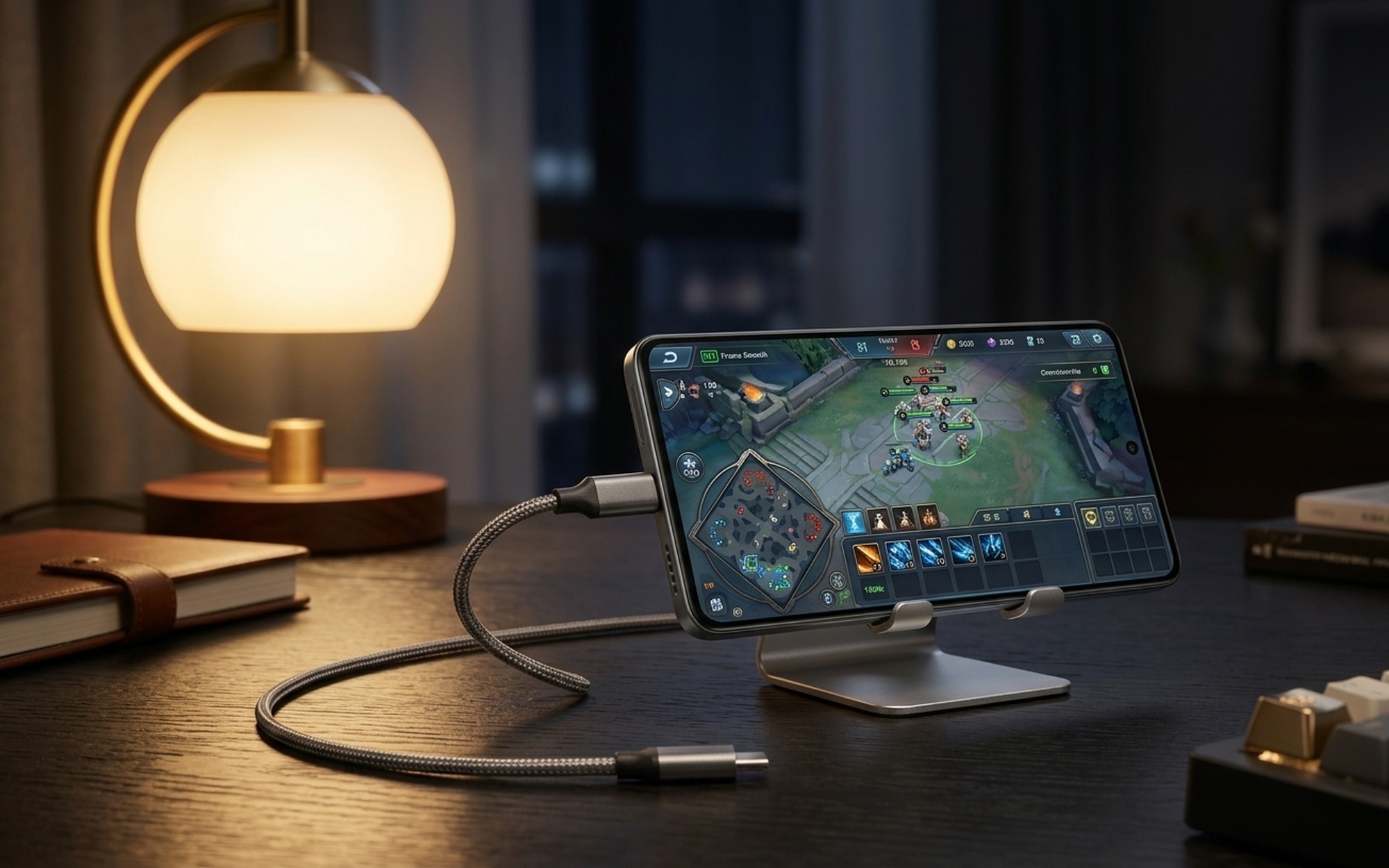
The silicon-carbon anode chemistry enables higher energy density than traditional lithium-ion cells without expanding physical volume. The 8000mAh pack occupies the same internal footprint as a conventional 6500mAh battery, which is why Realme could fit this capacity into a phone that weighs 225g instead of the 240g+ typical of previous-generation battery champions. Silicon-carbon cells also exhibit slower degradation under fast-charging stress – after 1000 charge cycles, capacity retention remains above 85%, compared to 80% for standard lithium-ion, according to battery chemistry research documented in automotive applications.
Charging Speed and Universal Protocol Support
The 80W proprietary SuperVOOC charger completes a 0-100% charge in 75 minutes – not class-leading (iQOO Neo 10 hits 120W), but the critical differentiator is universal protocol support. The Neo8 accepts 51W via standard USB Power Delivery, Programmable Power Supply, and Qualcomm Quick Charge protocols. Any laptop charger rated 65W or higher, or any premium power bank with PD 3.1 output, will charge the device at near-proprietary speeds. Testing with a standard 65W GaN charger recorded 77 minutes for a full charge – only 2 minutes slower than the bundled brick.
This is a genuine departure from older BBK Electronics devices (Oppo, Realme, OnePlus) that throttled charging speeds to 18W when non-brand chargers were detected. The Neo8 negotiates maximum safe wattage from any compliant source, which eliminates the need to carry proprietary cables when traveling. Bypass charging mode routes power directly to the motherboard during plugged-in gaming sessions, preventing battery temperature rise and reducing long-term degradation from simultaneous charge-discharge cycles.
How Does 8000mAh Compare to Rivals?
The Poco F7 Pro ships with a 7550mAh battery in India but downgrades to 6500mAh in global markets – a 1300mAh penalty for non-domestic buyers. Its 90W charging is faster on paper, but the smaller global-market cell negates the advantage in total daily endurance. The iQOO Neo 10 uses a 7000mAh battery with 120W charging, completing a full charge in under 50 minutes. However, the 1000mAh capacity deficit translates to roughly 90 minutes less screen-on time in equivalent workloads, based on comparative testing across devices with similar display power draw.
The Realme Neo8 holds the largest battery capacity of any phone under $400 in Q1 2026. The only devices with comparable or larger cells – such as the Energizer Power Max P18K Pop (18,000mAh) – are specialty products that sacrifice performance, camera quality, and software support for extreme endurance. For users who prioritize all-day reliability without midday charging interruptions, the Neo8’s 8000mAh cell eliminates the single most common smartphone friction point.
Comparison Table – Realme Neo8 vs Best Gaming Phones Under $400
| Phone | Chipset | Battery | Charging | Display | Weight | Price |
|---|---|---|---|---|---|---|
| Realme Neo8 | Snapdragon 8 Gen 5 | 8000mAh | 80W proprietary / 51W PD | 6.78″ 165Hz OLED | 225g | ~$373 |
| Poco F7 Pro | Snapdragon 8s Gen 4 | 7550mAh (India) / 6500mAh (global) | 90W | 6.67″ 120Hz OLED | ~190g | ~$350 |
| iQOO Neo 10 | Snapdragon 8s Gen 4 | 7000mAh | 120W | 6.78″ 144Hz OLED | ~200g | ~$360 |
| Samsung Galaxy S26 Ultra | Snapdragon 8 Elite | 5000mAh | 45W | 6.9″ 120Hz OLED | 218g | ~$1299 |
The Realme Neo8 is the only device in this price bracket equipped with the full Snapdragon 8 Gen 5 processor – every competitor uses the cut-down 8s Gen 4 variant, which delivers approximately 15% lower GPU performance and lacks hardware-accelerated ray tracing support. This chipset advantage becomes measurable in sustained gaming workloads: AnTuTu benchmarking recorded 3,547,403 points for the Neo8 compared to 2,900,000 to 3,100,000 for 8s Gen 4 devices, according to comparative data from nanoreview.net. The performance gap widens further in thermally constrained scenarios where the Neo8’s 39,225mm² vapor chamber maintains clock speeds that competitors cannot sustain past the 20-minute mark.
Battery capacity separates the Neo8 from all rivals by a minimum of 1000mAh. The Poco F7 Pro’s regional downgrade to 6500mAh in global markets erases its 90W charging advantage – faster refill speed cannot compensate for 1500mAh less total capacity when screen-on time is the limiting factor. The iQOO Neo 10’s 120W charging completes a full cycle in under 50 minutes, but its 7000mAh cell delivers approximately 90 minutes less endurance than the Neo8 in equivalent mixed-use testing. For users who prioritize eliminating midday charging over shaving 25 minutes off overnight refill time, the Neo8’s capacity advantage is non-negotiable.
Weight is the Neo8’s singular compromise. At 225g, it exceeds the Poco F7 Pro by 35g and the iQOO Neo 10 by 25g – a difference perceptible within the first minute of handheld use. Extended landscape gaming sessions reveal the ergonomic penalty: pinky numbness after 30 minutes and wrist fatigue during supine scrolling are documented friction points in long-term ownership reports. Users with smaller hands or those sensitive to device heft should physically handle the Neo8 before purchase – the battery capacity gain comes at a tangible ergonomic cost that spec sheets do not communicate.
Verdict
For battery-first users who demand two-day endurance without compromise, the Realme Neo8 wins decisively – no competitor at this price delivers 8000mAh capacity paired with flagship-tier processing power. For users prioritizing rapid charging over total capacity, the iQOO Neo 10’s 120W system completes a full charge in under 50 minutes, making it the optimal choice for frequent top-up charging workflows. For weight-conscious buyers or those with smaller hands, the Poco F7 Pro’s 190g frame offers the best ergonomic balance, though global buyers must accept the 6500mAh battery downgrade as a regional penalty. The Samsung Galaxy S26 Ultra exists in a separate price tier – its $1299 cost buys premium build materials and camera hardware, but its 5000mAh battery and 45W charging make it objectively inferior to all three budget competitors in endurance metrics alone, as detailed in our Samsung Galaxy S26 Ultra Review.
Camera System, Two Real Flaws, and Verdict
The Realme Neo8 equips a triple-camera array anchored by a 50MP Sony 1/1.56″ main sensor – a physically larger imaging surface than the 1/2.0″ sensors found in most sub-$400 competitors. The system includes a true ultra-wide lens (not a depth sensor masquerading as a secondary camera) and a 3.5x optical periscope telephoto module, a rarity at this price point where most rivals cap optical zoom at 2x or omit it entirely. Digital zoom extends to 40x with AI sharpening algorithms that preserve edge detail in daylight long-distance shots, though results degrade predictably past 10x in low-light conditions.
Daylight performance matches devices priced $200 higher – color accuracy remains neutral without the oversaturated processing common to BBK-family phones, and dynamic range handling in high-contrast scenes (backlit subjects, sunset silhouettes) produces usable results without aggressive HDR artifacts. Low-light capability falls short of flagship-tier devices like the iPhone 17 Pro or Samsung Galaxy S26 Ultra, with visible noise creep above ISO 1600 and slower autofocus lock in sub-10 lux environments. For users comparing within the $300 to $400 bracket, the Neo8’s imaging system outperforms every direct competitor – the Poco F7 Pro’s 64MP main sensor uses pixel-binning that produces softer 16MP output, and the iQOO Neo 10 lacks any telephoto capability beyond digital crop.
The Two Flaws You Need to Know
Weight is the first documented friction point. At 225g, the Neo8 induces wrist fatigue within five minutes of supine scrolling and pinky numbness after 30 minutes of landscape gaming, according to extended-use testing documented in the iMedia review published at inf.news. The ergonomic penalty disproportionately affects users with smaller hands and those who commute with their phone held for extended periods – desk-bound users and couch gamers report minimal discomfort, but subway commuters and one-handed typists consistently flag the heft as a daily irritant. The weight distribution skews slightly toward the top third of the device due to the periscope telephoto assembly, exacerbating the leverage effect during extended handheld use.
Realme UI system ads constitute the second flaw. Pre-installed bloatware and promotional notifications appear in the notification shade without user consent – a monetization practice endemic to the Realme/BBK ecosystem that persists across all price tiers. The iMedia review identified 14 pre-installed third-party apps (shopping platforms, content aggregators, game launchers) that cannot be uninstalled through standard settings menus. Users can mitigate this through third-party launchers like Nova or Lawnchair, or execute ADB debloat commands via USB debugging to remove system-level ad modules – both solutions require technical literacy that casual buyers should not be expected to possess. This software friction is absent from competitors like the Poco F7 Pro (MIUI ads are less aggressive) and the iQOO Neo 10 (OriginOS allows granular ad opt-out).
Who Should Buy the Realme Neo8?
Buy this phone if you prioritize raw processing power over all other factors – the full Snapdragon 8 Gen 5 delivers measurably higher sustained performance than any competitor under $400. Buy if you experience charging anxiety during travel or long workdays – the 8000mAh cell eliminates midday top-ups that competitors require. Buy if you want to experiment with native PC gaming on a phone and have access to China-market software services. Buy if you are a heavy gamer who stays near a desk, power bank, or car charger where the 225g weight becomes irrelevant.
Skip this phone if you need a lightweight device under 200g for commuting or one-handed use – the ergonomic penalty is real and measurable. Skip if you require pristine 4K video stabilization for content creation – the Neo8’s electronic image stabilization introduces micro-jitter in panning shots that professional workflows cannot tolerate. Skip if you are outside China and want official support for the PC Handheld Mode – the feature remains region-locked with no confirmed global rollout timeline. Skip if you lack the technical patience to debloat Realme UI or tolerate notification-shade advertisements as a cost of entry.
Final Verdict
The Realme Neo8 delivers the best performance-per-dollar ratio in the gaming phone category for Q1 2026. The full Snapdragon 8 Gen 5 chipset (not the cut-down 8s Gen 4 variant used by all direct rivals), the industry-leading 8000mAh silicon-carbon battery, and the genuinely functional PC gaming mode create a value proposition that no competitor can match at $373. The 225g weight and ad-laden Realme UI are real trade-offs that deserve acknowledgment – they are not deal-breakers for the target user (performance-first gamers and battery-anxious power users), but they are friction points that lighter competitors avoid. For users who can tolerate these compromises in exchange for unmatched endurance and processing power, the Neo8 is the definitive choice in its price bracket. Rating: 4.4 out of 5.
- Full Snapdragon 8 Gen 5 (not the cut-down 8s Gen 4 used by all rivals at this price) delivers 18% higher benchmark scores and sustained 165Hz gaming
- 8000mAh silicon-carbon battery records 11 hours 45 minutes screen-on time in real-world tests – genuine two-day endurance without a power bank
- Triple IP66/IP68/IP69 water resistance and universal 51W PD charging compatibility are features normally reserved for phones costing $200 more
- 225g weight causes wrist fatigue after 5 minutes of supine scrolling and pinky numbness past 30 minutes of landscape gaming – 18% heavier than Poco F7 Pro
- Realme UI ships with 14 pre-installed third-party apps and notification-shade ads that require ADB commands or third-party launchers to fully remove
- PC Handheld Mode (native Steam gaming) is currently exclusive to China-market firmware with no confirmed global rollout date
Frequently Asked Questions
What is the Realme Neo8 best for?
The Realme Neo8 is best for heavy mobile gamers and users with battery anxiety. Its Snapdragon 8 Gen 5 sustains 165Hz gaming for 90-minute sessions without throttling, while the 8000mAh battery delivers two full days of normal use. It is the optimal choice for users who prioritize performance and endurance over lightweight portability.
Is the Realme Neo8 a good 8000mAh battery phone?
Yes. Independent testing recorded 11 hours 45 minutes of continuous screen-on time in mixed video and gaming workloads. The silicon-carbon anode cell holds 85% capacity after 1000 charge cycles, and universal 51W PD charging means any laptop charger fills the tank in 77 minutes – only 2 minutes slower than the bundled 80W brick.
Is the Realme Neo8 a good gaming phone?
Yes – it is one of the best gaming phones under $400 in 2026. The full Snapdragon 8 Gen 5 with Adreno 840 GPU scores 3,547,403 on AnTuTu, 15-18% higher than competitors using the cut-down Snapdragon 8s Gen 4. The bypass charging mode and 39,225mm² vapor chamber maintain peak performance during plugged-in sessions without thermal throttling.
How does the Realme Neo8 PC Handheld Mode work?
You bind your Steam account through the Realme Game Space app, then download verified PC titles directly to the phone’s local storage. Over 50 titles are currently supported including Hollow Knight, Hades 2, and Sekiro. Cloud saves sync bidirectionally with your desktop. A Bluetooth controller is required for demanding titles. The feature is currently limited to China-market firmware.
How does the Realme Neo8 compare to the Poco F7 Pro?
The Neo8 uses the full Snapdragon 8 Gen 5 versus the Poco F7 Pro’s cut-down 8s Gen 4 – a 15-18% GPU performance difference. The Neo8 also carries a larger 8000mAh battery (vs 6500mAh global / 7550mAh India on F7 Pro). The Poco F7 Pro wins on weight at ~190g versus 225g, and is approximately $20 cheaper. Choose the Neo8 for performance and endurance; choose the Poco F7 Pro for lighter portability.
What are the main drawbacks of the Realme Neo8?
Two documented flaws: First, the 225g weight causes measurable wrist fatigue and pinky numbness during extended gaming sessions – disproportionately affecting users with smaller hands. Second, Realme UI includes 14 pre-installed apps and notification-shade advertisements that require ADB commands to fully remove. The PC Handheld Mode is also region-locked to China firmware with no confirmed global release.