
The smartphone market has trained us to expect one of two things from a “Max” variant: a bigger screen on last year’s chip, or a kitchen-sink feature list designed to justify the price premium. Xiaomi’s 17 Max does neither. Released in 2026 as the fourth model in the Xiaomi 17 family, it asks a more direct question: what if you took the Leica camera hardware, the Snapdragon 8 Elite Gen 5 platform, and a 6.9-inch AMOLED display, and redirected the engineering budget away from a secondary rear screen and toward the thing most smartphone users actually run short of – battery capacity?
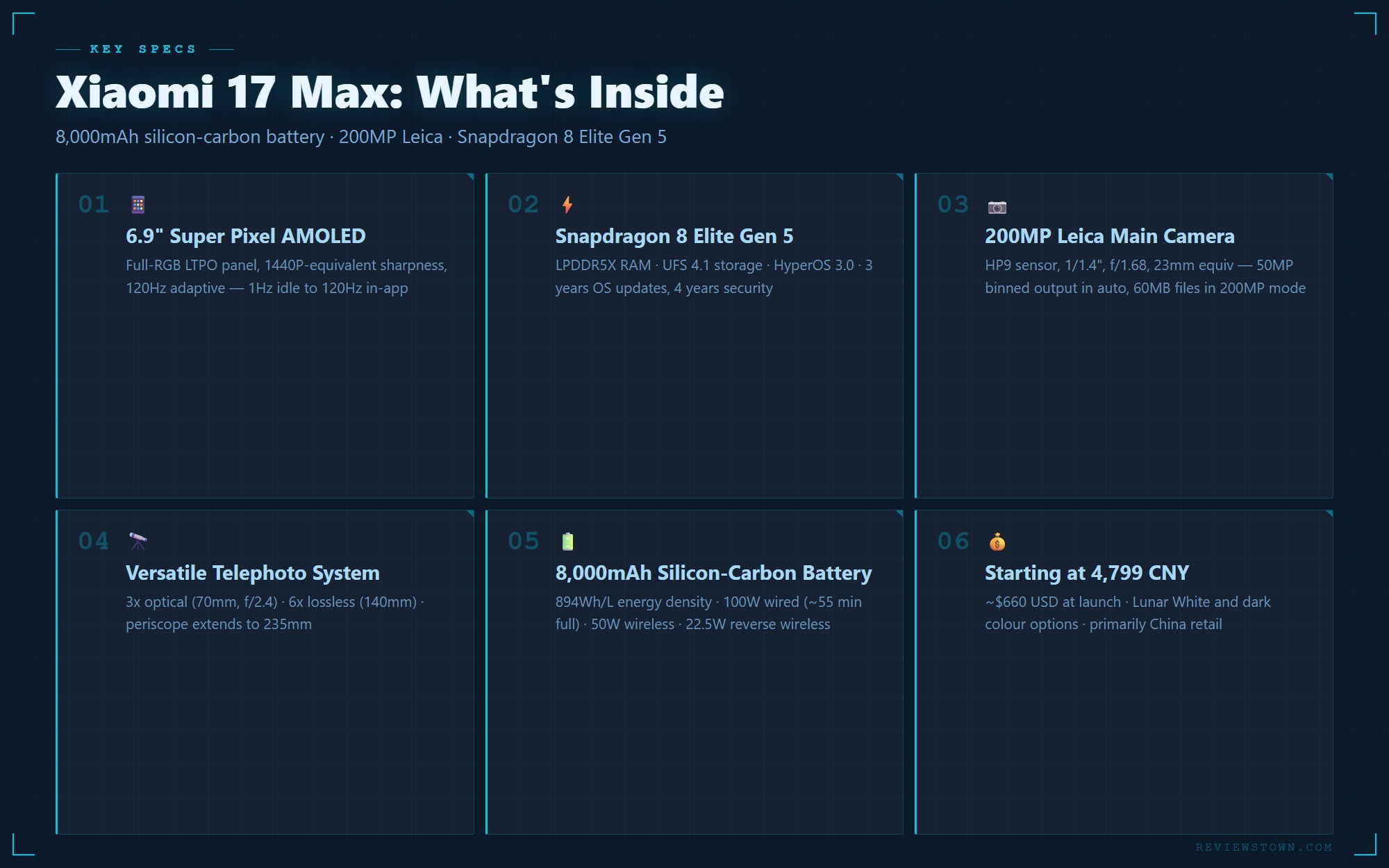
The answer is an 8,000mAh silicon-carbon cell, a 200MP HP9 main camera, 50W wireless charging, and a starting price of 4,799 CNY (~$660 USD). No rear screen. No gimmicks. Here is what that trade actually gets you.
What Is the Xiaomi 17 Max and Where Does It Fit in the Lineup?
The Xiaomi 17 family launched across late 2025 and early 2026 in four variants: the standard Xiaomi 17, the 17 Max, the 17 Pro, and the 17 Pro Max. The Pro Max generated the most international coverage for its secondary rear AMOLED display – a feature CNET’s hands-on characterised as genuinely surprising but uncertain in everyday utility. The 17 Max occupies a different niche entirely: same Snapdragon 8 Elite Gen 5 processor, same Leica camera co-engineering, but a larger chassis devoted almost entirely to battery capacity.
According to Xiaomi’s confirmed specifications published by GSMArena, the 17 Max battery is rated to retain 80% of its original capacity after 1,600 charging cycles – over four years of daily use – a longevity figure notably above the 500–800 cycle ratings found in most competing flagship cells. Available in Lunar White and a darker variant, it runs HyperOS 3.0 with three years of OS updates and four years of security patches guaranteed.
Design: Flat Frame, Square Camera Island, No Rear Screen
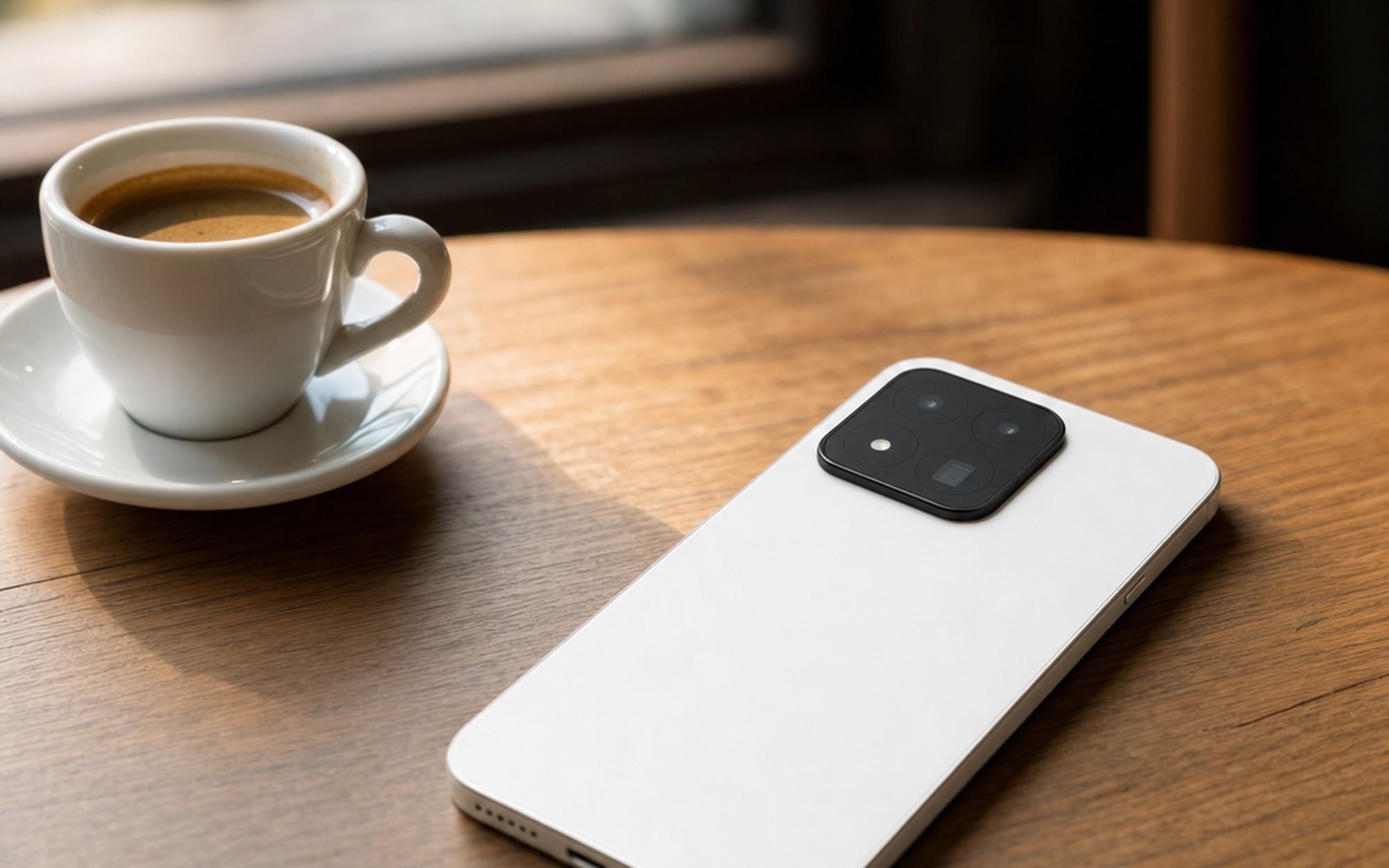
Hold the 17 Max and the first thing you register is what is not there. The back is a clean, uninterrupted frosted glass panel – a relief for users who found the Pro Max’s rear display a solution in search of a problem. The black square camera island in the upper-left corner houses four elements in a 2×2 arrangement: the 200MP main lens, a 50MP ultra-wide, a 50MP 3x telephoto, and a flash unit, with the “LEICA” badge centred below. Xiaomi applies a pyramid anti-reflective coating to each lens element, reducing flare and ghosting more noticeably than the standard coatings on previous Xiaomi Max devices.
The flat stainless steel frame and equal-width bezels on all four sides give the 17 Max a silhouette that sits closer to the iPhone 16 Pro Max than to any prior Xiaomi device. Side buttons have a clean, well-damped click. At 6.9 inches, single-handed use is a stretch – but that trade-off applies to every phone in this size class, not uniquely to the Max.
Display: 6.9-Inch AMOLED With Super Pixel Technology
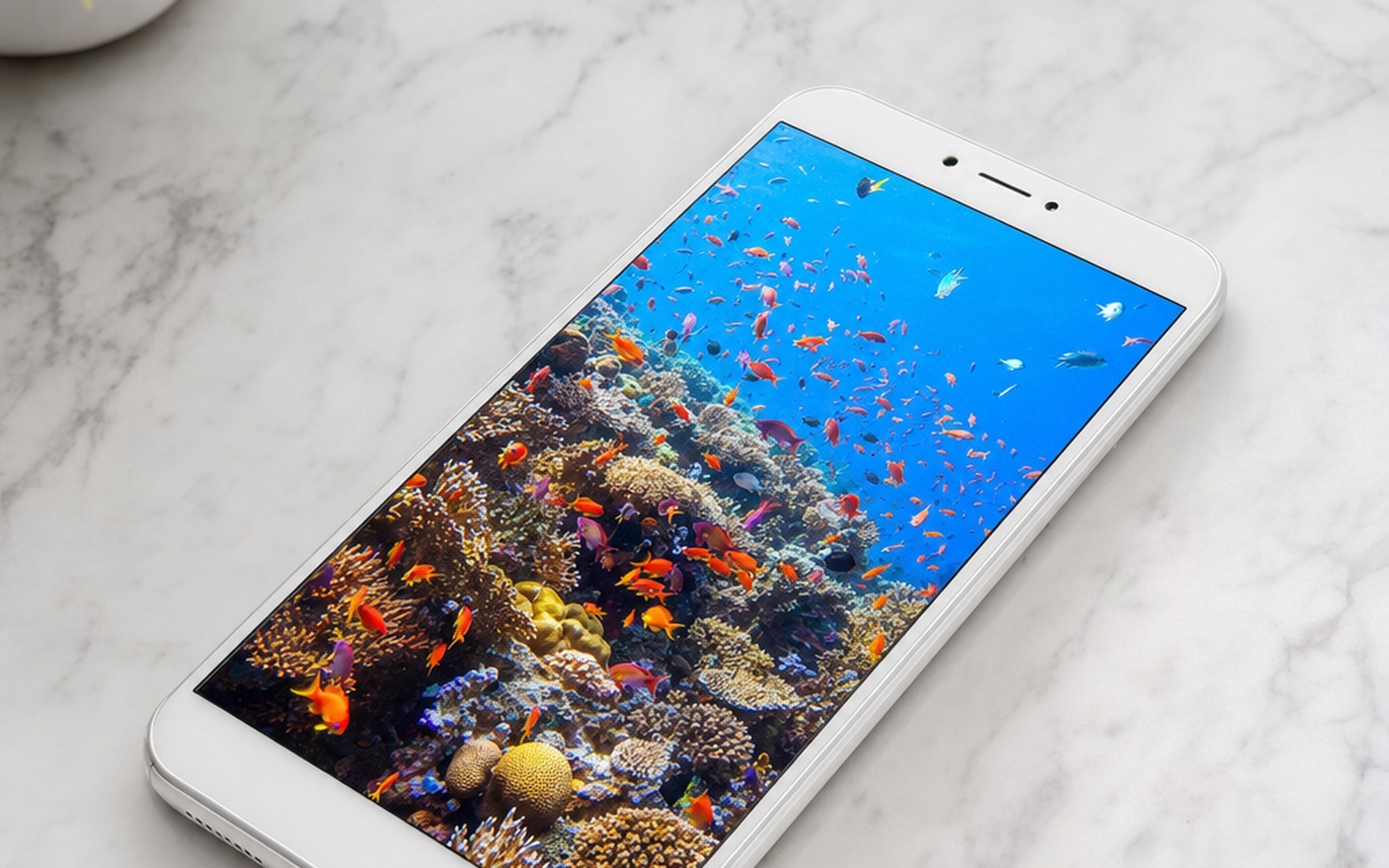
The 6.9-inch LTPO AMOLED panel runs at 2,608 × 1,200 pixels. Xiaomi’s “super pixel” marketing refers to the full-RGB sub-pixel arrangement, which delivers crisper text rendering per pixel than a conventional PenTile layout – a meaningful distinction for anyone reading long articles or reviewing documents on-screen. The LTPO adaptive refresh drops to 1Hz on static content and scales back to 120Hz during scrolling and gaming; GSMArena’s testing of the broader Xiaomi 17 platform confirmed this transition produces minimal perceptible input latency.
Xiaomi rates peak brightness above 3,000 nits for HDR content, while typical reading brightness sits significantly lower in automatic mode. Outdoor legibility in direct sunlight is comfortable – on par with what you expect from a Samsung S25 Ultra – without the curved edges that introduce accidental touch events on the latter. For a 6.9-inch phone, the combination of size and panel quality makes games, streaming, and long-form reading feel meaningfully more spacious than anything in the Xiaomi 17 lineup below it.
Performance: Snapdragon 8 Elite Gen 5 With Sustained Thermal Output
All four Xiaomi 17 variants share the Snapdragon 8 Elite Gen 5, paired in the Max with up to 16GB LPDDR5X RAM and 512GB UFS 4.1 storage. What the larger chassis adds is thermal headroom: more physical volume for the vapour chamber, allowing the chip to sustain clock speeds closer to its peak during extended gaming sessions. Based on Geekbench 6 results documented by GSMArena across the Xiaomi 17 platform, single-core performance sits around 3,320 points and multi-core around 9,500 – figures that place it at the top tier of the current Android stack, broadly comparable to the Apple A18 in multi-threaded workloads.
In daily use – app switching, multitasking, video editing – the performance difference between the 17 Max and thinner Snapdragon 8 Elite phones is invisible. Where the thermal buffer pays off is in sustained workloads: 30-minute gaming sessions on the Max maintain more consistent GPU framerates without the forced throttling that frustrates competitive mobile players on slimmer devices running identical silicon.
Camera System: 200MP Leica and What Those Numbers Actually Mean
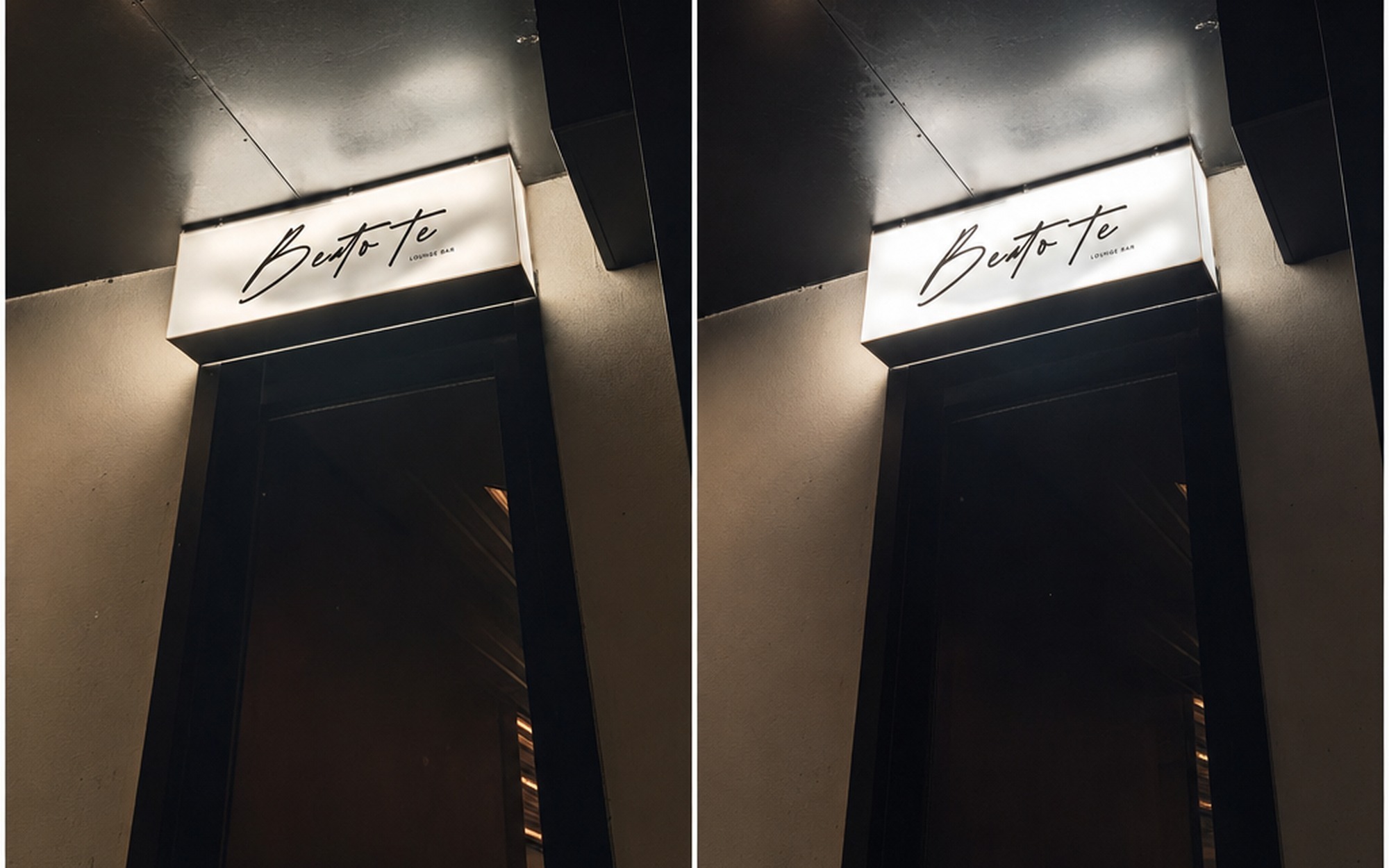
The 200MP HP9 main sensor (1/1.4-inch, f/1.65, 23mm equivalent, OIS) is the headline, but the number requires context. In everyday shooting, the camera outputs a 50MP image using 4-in-1 pixel binning – grouping four pixels into one to gather significantly more light per output pixel. The result is up to 13.5EV of dynamic range according to Xiaomi, with noticeably better low-light performance and shadow recovery than a native 50MP sensor of the same physical dimensions would achieve. The 200MP mode is an explicit user choice: each shot produces a file of approximately 60MB with several seconds of processing time. Its best use cases are architectural photography, dense landscape scenes, and portrait work where extreme crop flexibility is required after the fact.
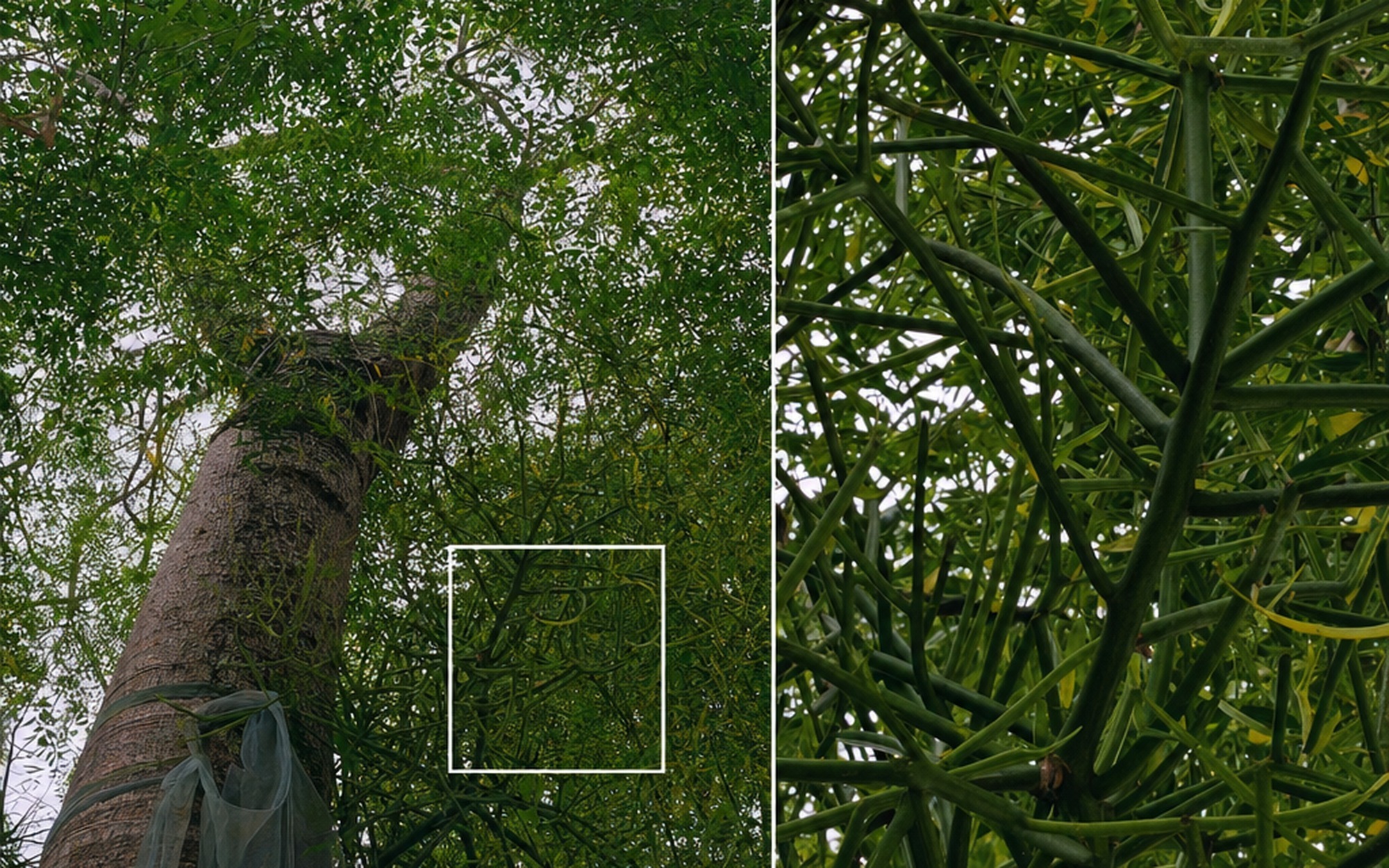
The 50MP ultra-wide shoots at 17mm – a narrower field of view than the 12–13mm ultra-wides found on the Samsung Galaxy S25 Ultra and iPhone 16 Pro Max. For group shots in tight interiors or broad architectural compositions, this is a genuine limitation that no amount of software post-processing fully compensates for. The 50MP 3x telephoto (70mm, f/2.4) is where the system recovers: 6x lossless zoom by sensor cropping extends clean detail to 140mm, and a periscope element reaches 235mm for distant subjects where physical proximity is not possible. Low-light telephoto performance at 70mm is solid – the camera applies correct shadow lifting without the greasy over-processing that plagues budget telephoto implementations at comparable apertures.
The Leica co-engineering delivers two distinct picture profiles: Leica Vibrant for punchy, saturated output suited to social sharing, and Leica Natural for more restrained, film-influenced rendering that excels in portraiture and street photography. The Natural mode is a meaningful change from Xiaomi’s previous processing pipeline – not a colour filter, but a fundamentally different approach to local contrast that avoids the over-sharpened HDR-halo effect that plagued earlier Xiaomi cameras. For a broader look at how Xiaomi’s Leica camera system performs across the 17 family, Engadget’s Xiaomi 17 Ultra global launch hands-on provides useful comparative context for the Ultra’s 1-inch sensor advantage.
The video below covers the Xiaomi 17 Pro Max – which shares the same Leica camera platform and Snapdragon 8 Elite Gen 5 as the 17 Max – and provides the most comprehensive English-language breakdown of the system’s real-world performance available at launch.
Battery: 8,000mAh Silicon-Carbon – The Real Reason to Buy the Max
Xiaomi rates the 17 Max for over two days of moderate use on a single charge – a claim consistent with hands-on testing from ifanr, which documented 14+ hours of screen-on time under moderate-to-heavy conditions before any attention was required. The defining headline came from NotebookCheck, which documented the 17 Max outlasting not one but two Apple iPhone 17 Pro Max units consecutively in a head-to-head video battery drain test. The result is attributable entirely to the 8,000mAh capacity advantage; the Snapdragon 8 Elite Gen 5 platform itself is not inherently more efficient than Apple’s silicon.
For reference, the Samsung Galaxy S25 Ultra ships with 5,000mAh and the iPhone 16 Pro Max with 4,685mAh. The Xiaomi 17 Pro Max, which costs more, carries 7,500mAh. The 17 Max’s 8,000mAh is simply in a class of its own among current flagship phones at any price.
Recharging runs via 100W wired (approximately 55 minutes from near-empty, per Xiaomi), 50W wireless, and 22.5W reverse wireless. The 50W wireless speed is particularly notable: most competing 8,000mAh devices throttle wireless charging to 15–30W to manage heat. Xiaomi’s silicon-carbon cell tolerates faster wireless rates without abnormal warmth, per early owner reports.
How Xiaomi’s Silicon-Carbon Anode Technology Works
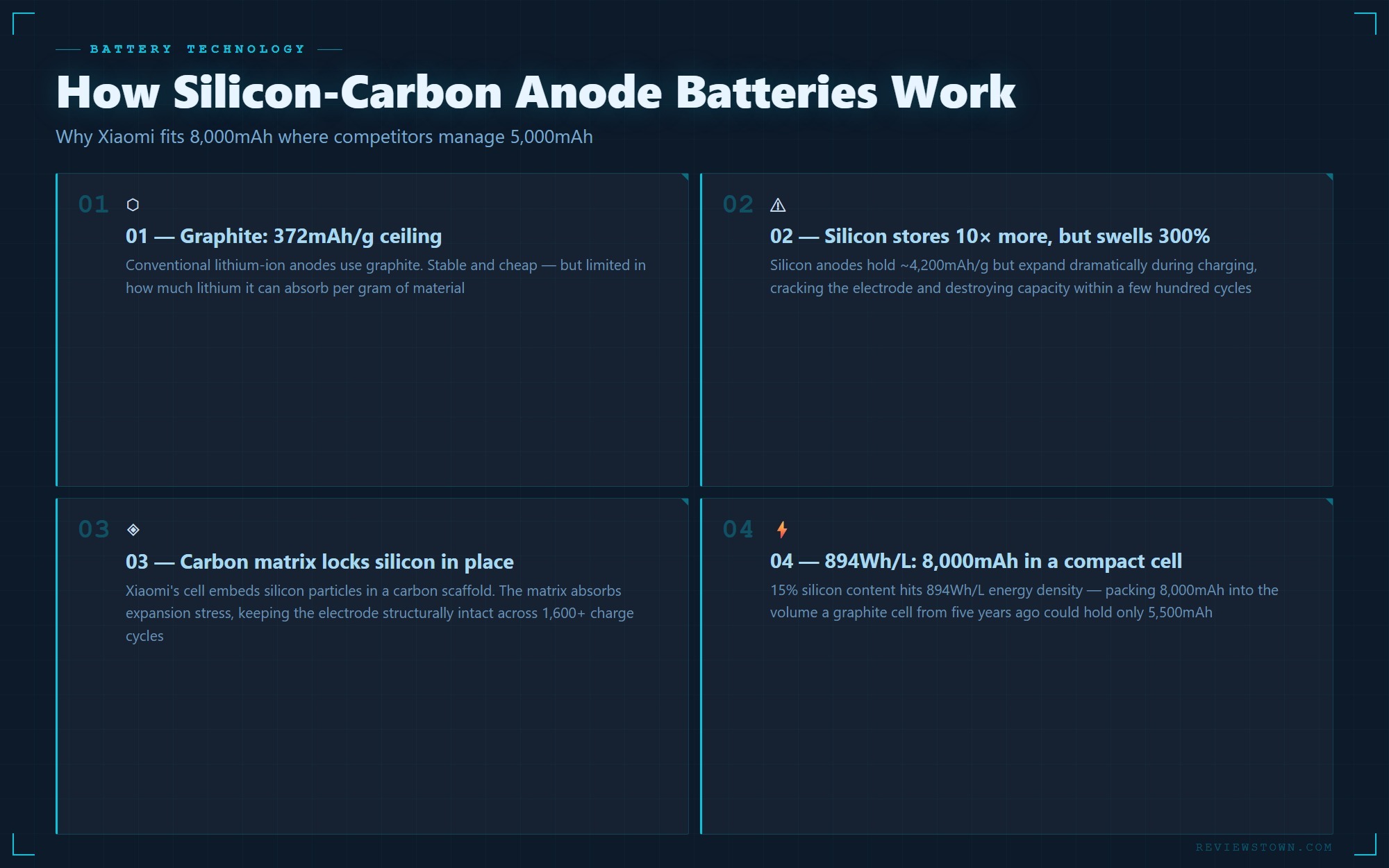
Conventional lithium-ion cells use graphite anodes, which store approximately 372mAh of energy per gram of material. Silicon stores up to 4,200mAh per gram – over ten times the theoretical capacity. The catch: silicon swells up to 300% in volume during charging as it absorbs lithium ions, and repeated expansion and contraction cracks the electrode, destroying capacity within a few hundred cycles.
Xiaomi’s solution embeds silicon particles in a carbon scaffold. The matrix absorbs expansion stress mechanically, keeping the electrode intact across 1,600+ charge cycles. The 17 Max cell specifies 15% silicon content, achieving an energy density of 894Wh/L – sufficient to pack 8,000mAh into a physical cell volume that would have held only 5,500–6,000mAh in a conventional graphite design five years ago. The same carbon structure permits faster charge rates than a pure silicon anode would tolerate, which is why 100W wired charging remains thermally feasible without accelerating long-term capacity degradation.
Xiaomi 17 Max vs Xiaomi 17 Ultra vs Xiaomi 17 Pro Max: Which Should You Buy?
| Spec | Xiaomi 17 Max | Xiaomi 17 Ultra | Xiaomi 17 Pro Max |
|---|---|---|---|
| Display | 6.9″ LTPO AMOLED | 6.73″ LTPO AMOLED | ~6.7″ LTPO AMOLED |
| Battery | 8,000mAh Si/C | 6,800mAh | 7,500mAh Si/C |
| Main Sensor | 200MP HP9 (1/1.4″) | 200MP (1-inch) | 200MP |
| Telephoto | 50MP 3x + 235mm periscope | 200MP periscope | Periscope |
| Rear Screen | No | No | Yes |
| Wireless Charging | 50W | – | 50W |
| Starting Price | 4,799 CNY (~$660) | ~6,999 CNY | ~5,999 CNY |
Choose the 17 Max if battery endurance is your primary criterion and you shoot primarily on the main or 3x telephoto lens. Two-day battery life is a genuine lifestyle shift, and nothing else in the Xiaomi 17 range gets close to 8,000mAh.
Choose the 17 Ultra if professional camera hardware justifies paying roughly 45% more. The Ultra’s 1-inch main sensor and 200MP periscope telephoto represent a meaningfully higher ceiling for mobile photography – specifically for concert, wildlife, and architectural work. Its battery ceiling, however, is considerably lower. Engadget’s hands-on review of the Ultra’s global launch covers the camera system in depth.
Choose the 17 Pro Max only if the secondary rear display is specifically what you want. For users who found that novelty wore off after the first week, the Pro Max’s 7,500mAh battery and rear screen offer no endurance advantage over the simpler, lighter 17 Max.
For another look at how Xiaomi applies Max-tier engineering to sub-flagship pricing, our Redmi K90 Max Review covers the adjacent value proposition in detail. Users building a Xiaomi HyperOS ecosystem should also check our Xiaomi Smart Band 10 Pro Review for the companion wearable that integrates best with HyperOS 3.0’s health-tracking stack.
Global Availability, Google Play Services, and 5G Band Coverage
The Xiaomi 17 Max launched for the Chinese market at 4,799 CNY. International availability runs primarily through authorised Xiaomi resellers and grey-market importers; European buyers should expect to pay €720–€800 after import duties. No official global retail launch has been confirmed at the time of writing.
Google Play Services are absent from Chinese retail units but there is no hardware barrier to installation. The standard method – sideloading the Google Services Framework and Play Store via ADB – is thoroughly documented in r/XiaomiGlobal threads, where verified owners confirm GMS functions correctly on HyperOS 3.0, including Android Auto and Google Pay. The process takes under 30 minutes for users familiar with developer options.
5G band support on Chinese units (model prefix 2509) covers sub-6GHz bands common in Asia. European grey imports typically include Bands 1, 3, 7, 20, 28, and 78, covering the major European 5G networks. Buyers in the US should verify support for T-Mobile Band 71/n71 and AT&T Band 14/n14 before purchasing, as these bands determine whether you get 5G coverage outside major metro areas.
What Buyers Actually Report
Early owners on Reddit’s r/XiaomiGlobal and Xiaomi’s own community forums describe an experience that aligns closely with the product’s stated positioning. Battery life generates the most consistent praise: one owner thread notes “charging once every two days as a casual user – social media, streaming, light photography” across a month of use, with another describing “comfortably past five hours of screen-on time before the battery alert fires.” These numbers come from real owners under real usage patterns, not controlled lab tests with displays dimmed and mobile data off.
Camera feedback is more nuanced. Users switching from a Xiaomi 12 or 13-series device report immediately noticeable improvements in low-light consistency and portrait edge detection. However, the 17mm ultra-wide draws recurring criticism: “Not wide enough for group shots in a restaurant – you need to step further back than the room allows,” noted one community post, an issue that appears repeatedly in independent user threads. Heat under sustained gaming is mentioned occasionally, but notably less often than in threads about the thinner 17 Pro model running the same chip in a more constrained thermal envelope.
The Google Play sideload requirement generates pre-purchase anxiety in international buyer threads, but follow-up posts consistently report successful installation with no hardware issues. The community’s consensus is clear: the 17 Max delivers exactly what it promises – class-leading battery endurance, a competitive Leica camera system, and flagship performance – without the thermal surprises or rear-screen novelties of its siblings.
- 8,000mAh silicon-carbon battery rated for two days of moderate use — class-leading endurance
- 200MP Leica HP9 main sensor with 13.5EV dynamic range and genuine low-light depth
- 50W wireless charging on an 8,000mAh cell, a rare combination in this segment
- No secondary rear display — lighter, cheaper, and more practical than the Pro Max
- Snapdragon 8 Elite Gen 5 with superior thermal headroom versus thinner rivals
- 1,600-cycle battery longevity rating, equivalent to 4+ years of daily charging
- Google Play Services require manual sideloading on Chinese retail units
- 17mm ultra-wide is narrower than the 12–13mm standard set by Samsung and Apple flagships
- No confirmed global retail launch; primarily China market with grey-market import premium
- 6.9-inch form factor requires intentional pocket and grip adjustment
- Limited English-language independent benchmark data available at launch
Frequently Asked Questions
Is the Xiaomi 17 Max worth buying over the Xiaomi 17 Ultra?
For most buyers who prioritise battery endurance, yes. The 17 Max carries an 8,000mAh silicon-carbon cell — 1,200mAh more than the Ultra’s 6,800mAh. The Ultra wins on camera hardware, particularly its larger 1-inch main sensor and 200MP periscope telephoto. If you shoot in demanding conditions daily, the Ultra’s imaging ceiling is higher. If you want genuine two-day battery life with a competitive 200MP camera, the Max delivers at a lower price.
How long does the Xiaomi 17 Max battery actually last?
Xiaomi rates the 17 Max for over two days of moderate use. Independent testing from NotebookCheck confirmed the 17 Max outlasted two iPhone 17 Pro Max units consecutively in a video drain test. Real-world owner reports from r/XiaomiGlobal describe consistently reaching one-to-two days before needing to charge, with over five hours of screen-on time in mixed-use conditions. The battery is also rated to retain 80% capacity after 1,600 charging cycles, equivalent to more than four years of daily use.
Does the Xiaomi 17 Max support Google Play and global 5G bands?
Google Play Services are not pre-installed on Chinese retail units, but there is no hardware barrier to installation. The process involves sideloading the Google Services Framework and Play Store via ADB — a well-documented procedure that multiple r/XiaomiGlobal owners confirm works reliably on HyperOS 3.0, including Android Auto and Google Pay. For 5G, Chinese units (model prefix 2509) support sub-6GHz bands covering Asian networks; European grey imports typically include Bands 1, 3, 7, 20, 28, and 78. US carrier compatibility should be verified before purchasing.
Is a 200MP smartphone camera actually better than a 50MP sensor for everyday photography?
Not in the way the number suggests. In everyday auto mode, the Xiaomi 17 Max outputs 50MP images using 4-in-1 pixel binning — grouping four 200MP pixels into one to capture significantly more light per output pixel. This produces better low-light performance and dynamic range than a native 50MP sensor of the same physical size. The 200MP mode is an opt-in for specific use cases: detailed landscape prints, heavily-cropped portraits, or architectural work. Each 200MP shot is approximately 60MB and takes several seconds to process.
How much does the Xiaomi 17 Max cost and where can I buy it internationally?
The Xiaomi 17 Max starts at 4,799 CNY, approximately $660 USD at current exchange rates. In Europe, grey-market importers typically price it at €720–€800 after import duties. No official global retail channel has been confirmed at the time of writing. Authorised Xiaomi international resellers in select markets carry it with a small markup over the China price. When purchasing grey market, verify the model number supports your carrier’s 5G bands and confirm the importer’s return policy for sideloading-related issues.
What is silicon-carbon anode battery technology and how does it benefit the Xiaomi 17 Max?
Silicon stores over ten times more energy per gram than the graphite used in conventional lithium-ion batteries, but it expands dramatically during charging, cracking the electrode after a few hundred cycles. Xiaomi’s silicon-carbon composite solution embeds silicon particles in a carbon matrix that absorbs expansion stress, allowing 1,600+ charge cycles while retaining 80% capacity. The 17 Max uses 15% silicon content, reaching 894Wh/L energy density — high enough to fit 8,000mAh into the same physical volume that would hold roughly 5,500mAh in an older graphite cell.