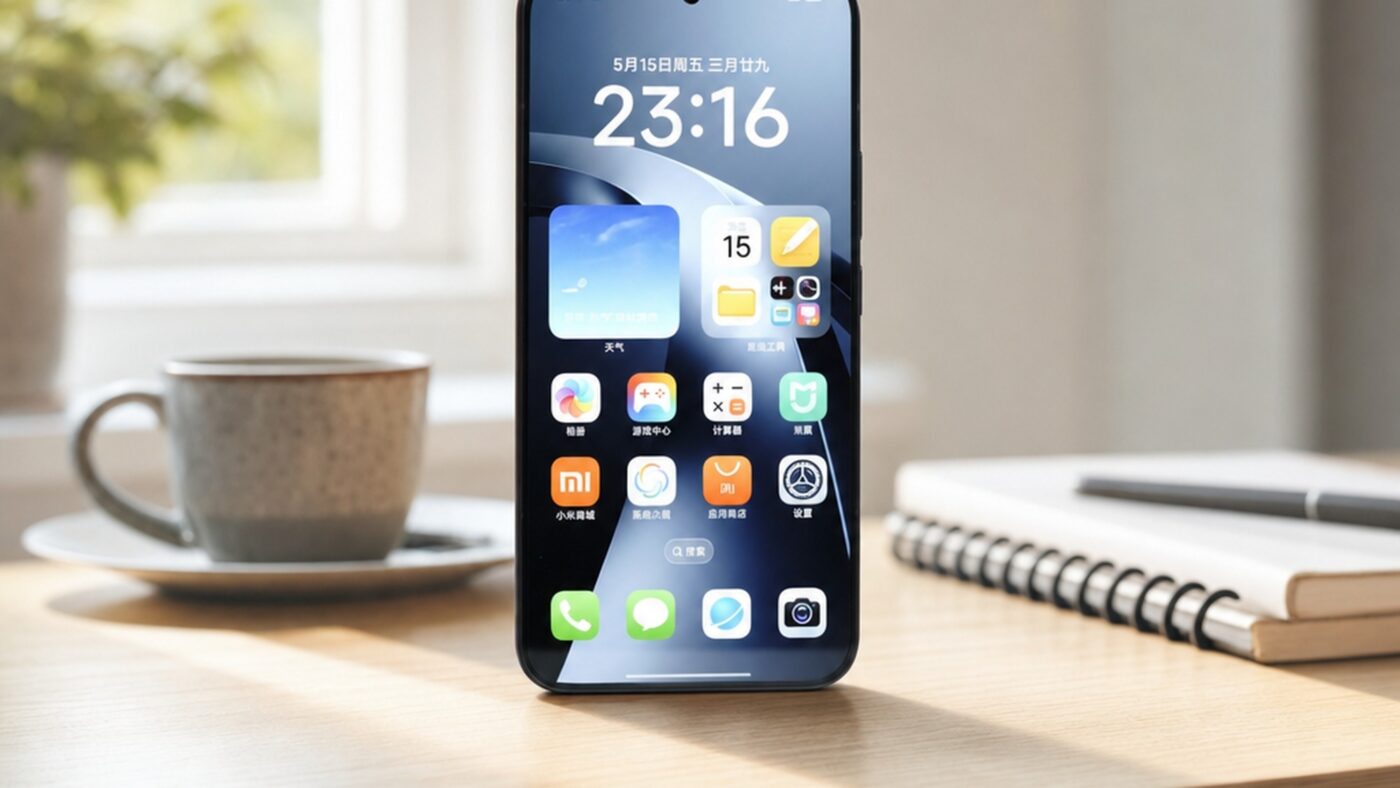
Most phone makers treat the long telephoto camera as a luxury reserved for their most expensive models. The Xiaomi 17T Pro breaks that pattern by putting a Leica tuned 50MP 5x periscope, a flagship MediaTek Dimensity 9500, and a huge 7000mAh battery into a phone that undercuts the full flagships. Announced on 28 May 2026 as the headline device in Xiaomi’s 17T series, it is pitched squarely at people who want serious zoom reach and multi day endurance without paying ultra premium money. This Xiaomi 17T Pro review digs into what the phone actually does well, where it compromises, and whether it earns a place on your shortlist in 2026.
The short answer is that this is one of the best periscope zoom camera phones at its price, wrapped around a battery that simply outlasts most rivals. The longer answer, including how the Dimensity 9500 stacks up against the Snapdragon 8 Elite and whether this is secretly a rebadged Redmi, is what the rest of this review covers.
What Is the Xiaomi 17T Pro and Who Should Care
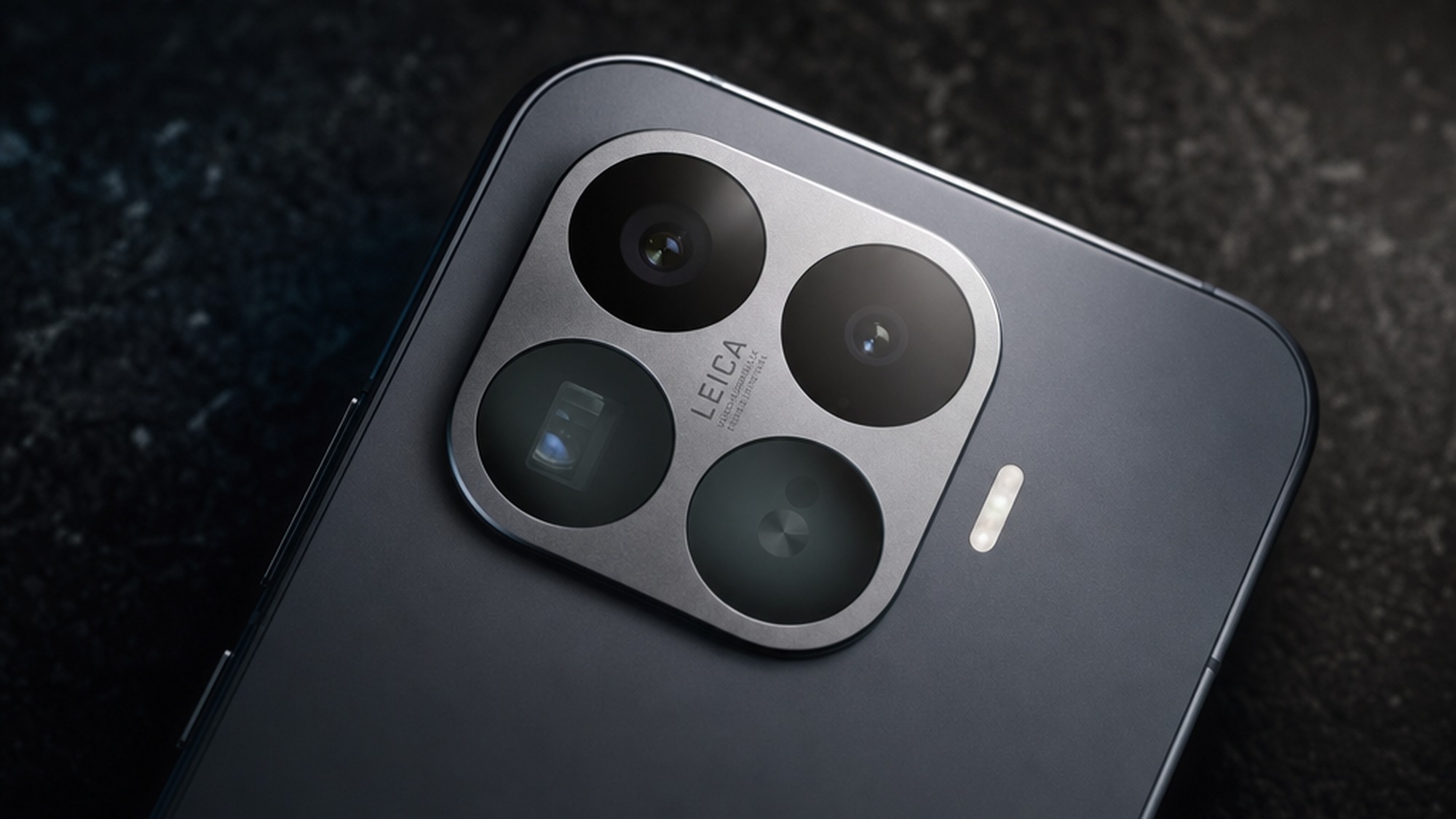
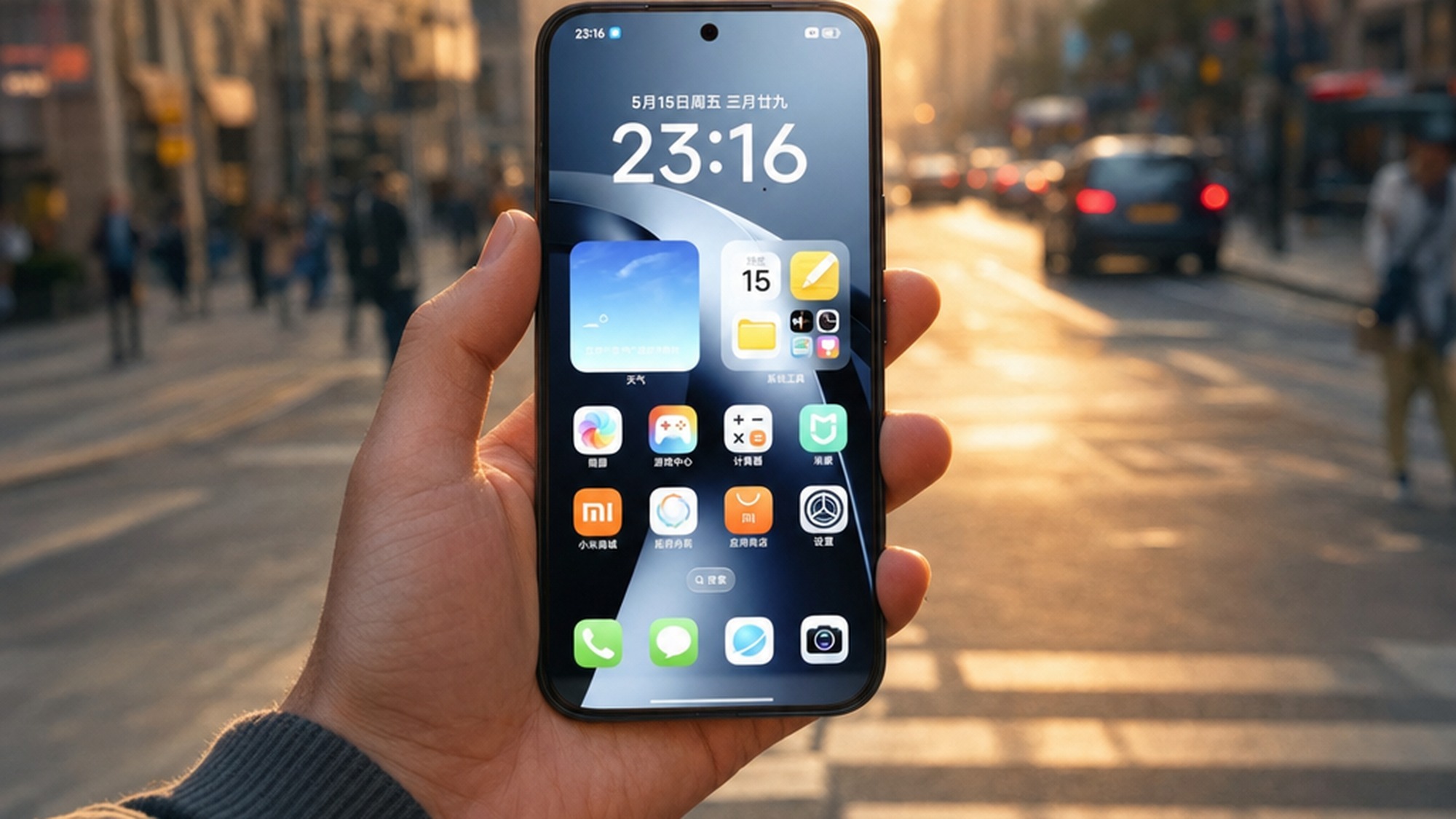
The 17T Pro sits in Xiaomi’s T series, the line that traditionally delivers near flagship hardware at a more reasonable price than the numbered Xiaomi 17 flagships. It is a large bar phone with a 6.83 inch OLED, a Leica triple camera, and a deliberately oversized battery, aimed at photographers, travellers, and heavy users who value endurance and zoom over the absolute last few percent of raw chip performance.
The reason it matters is positioning. Xiaomi has effectively taken the periscope telephoto and Leica imaging partnership that used to define its top tier phones and pushed them down into a more attainable bracket. That makes the 17T Pro interesting not just on its own terms, but as a signal that long range mobile photography is no longer gated behind the priciest models. If you have wanted a real 5x optical zoom without buying an ultra flagship, this is the phone that finally makes that trade look sensible.
What is the Xiaomi 17T Pro?
It is a 2026 flagship killer phone built around a Leica 5x periscope camera, a MediaTek Dimensity 9500, and a 7000mAh battery, designed to deliver long zoom and multi day endurance below full flagship prices.
A 50MP main and 50MP 5x periscope tuned with Leica colour science and optics.
A 3nm all big core chip that scores past 3.35 million on AnTuTu.
One of the largest cells in a 2026 flagship, with 100W wired and 50W wireless charging.
Near flagship hardware positioned below the numbered Xiaomi 17 Pro.
Xiaomi 17T Pro Specifications and Standout Hardware
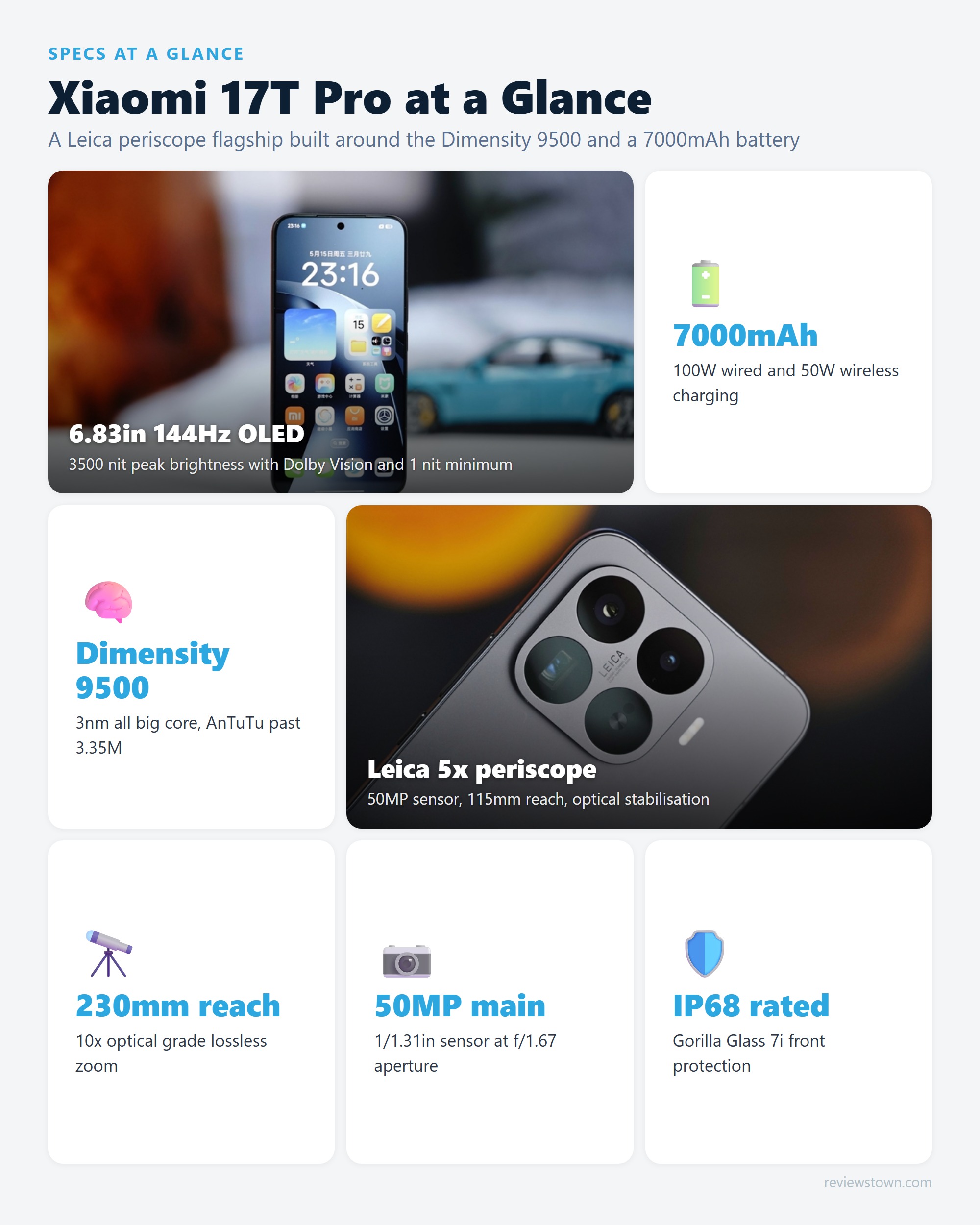
The spec sheet is where the 17T Pro makes its case. According to Xiaomi’s official specifications, the display is a 6.83 inch 1.5K OLED at 2772 by 1280, with a 144Hz refresh rate, Dolby Vision, HDR10+, and a peak brightness of 3500 nits in local highlights. It also drops to a 1 nit minimum with DC dimming, which is the detail that matters for reading in a dark room without eye strain. That 3500 nit figure outshines many pricier flagships and stays comfortably legible in direct sunlight, which is exactly where a travel and photography phone needs to perform.
Build quality backs up the screen. The body carries an IP68 rating for dust and water resistance, Gorilla Glass 7i on the front, and bezels trimmed to 1.29mm on all four sides. At roughly 162.2 by 77.5 by 8.25mm and about 219g, it is unmistakably a large phone, so one of the few real ergonomic trade offs here is one handed comfort. In practice, though, the weight is well distributed and feels appropriate for a device built around a 7000mAh battery rather than padded out unnecessarily.
The Leica Camera System and How the 5x Periscope Zoom Works
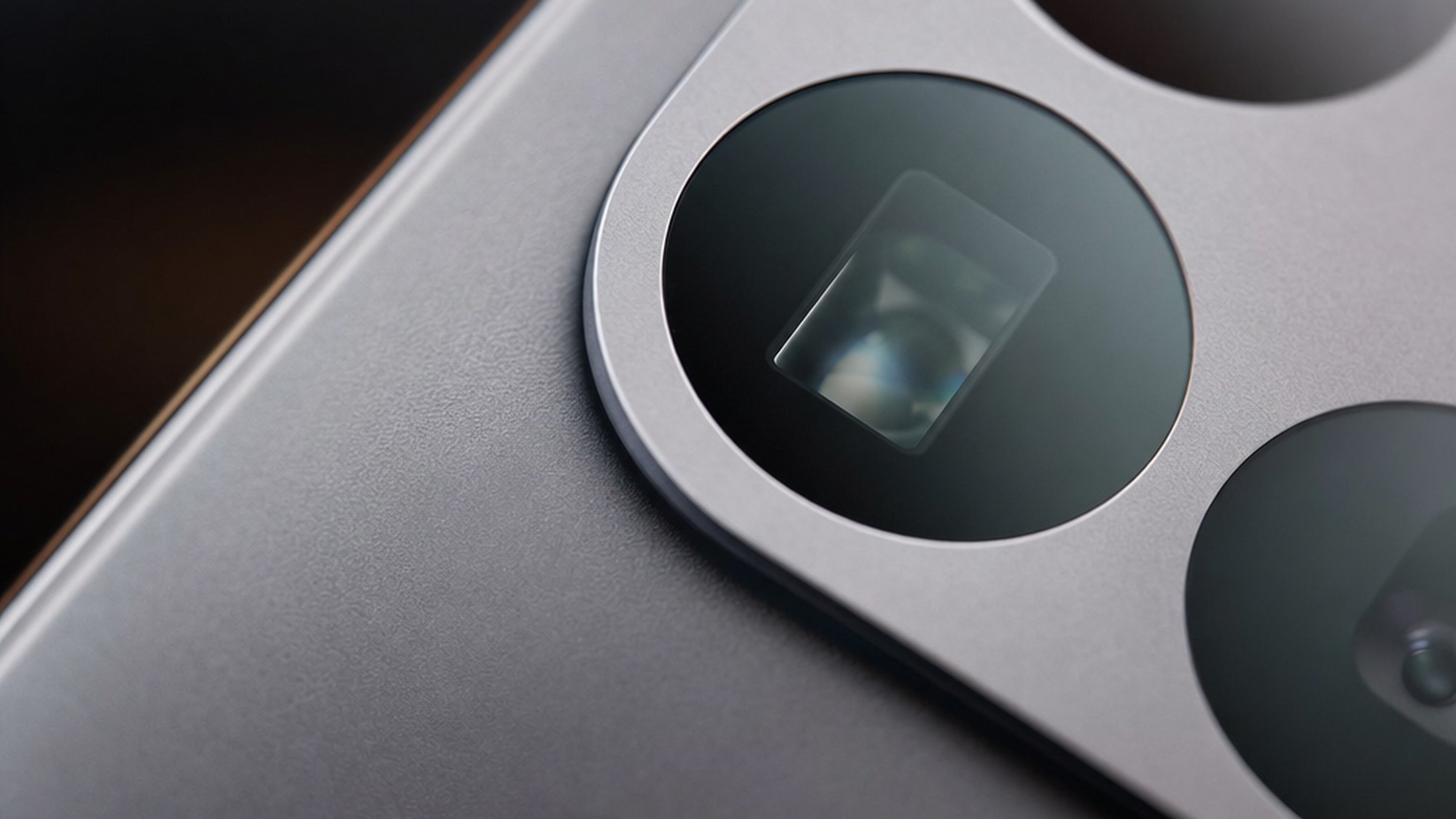
The camera is the reason most buyers will look at this phone. The system pairs a 50MP main camera using a large 1/1.31 inch sensor at a bright f/1.67 aperture with a 50MP 5x periscope telephoto and a 12MP ultrawide, all tuned through Xiaomi’s Leica partnership. The periscope is the standout: it delivers a 5x optical zoom at a 115mm equivalent focal length, extends to a 230mm equivalent at 10x optical grade lossless zoom, and stretches to 120x with AI Ultra Zoom for very distant subjects. It can also focus as close as 30cm for telephoto macro work.
What makes a periscope design special is geometry. Instead of stacking the lens elements straight up through a thin phone body, a periscope turns the light path sideways with a prism, giving the optics room to reach a long focal length without a bulky bump. The Leica tuning then handles colour science and rendering, which is why the telephoto output looks closer to a dedicated camera than the over sharpened crops many phones produce at distance.
From 23mm to 230mm in one phone
The 17T Pro builds its zoom range from three stages, each handing off to the next so detail holds up as you push further into the frame.
The 50MP 1/1.31 inch sensor at f/1.67 anchors wide shots and low light.
The 50MP periscope with a prism light path and optical stabilisation.
Optical grade zoom that crops into the periscope sensor with minimal quality loss.
Computational reach for very distant subjects, best for framing rather than print.
How Good Is the Camera in Real Use, Including Low Light
Specs only matter if the photos hold up, and here the reviews are encouraging. Hands on coverage from outlets such as DPReview and others highlights the 5x telephoto as the strongest part of the system, with natural looking detail and the kind of restrained colour you expect from a Leica collaboration. The telephoto is sharp enough that the 10x optical grade mode is genuinely usable rather than a marketing number, which is the real test of any zoom phone.
Low light is handled by the large main sensor. A 1/1.31 inch sensor paired with an f/1.67 aperture gathers a lot of light, and combined with Leica’s night processing it produces clean, controlled night shots rather than the smeary, noise reduced look of cheaper phones. The honest caveat is that the periscope, with its narrower f/3.0 aperture, leans more on stabilisation and processing after dark, so the very longest zoom shots soften in dim conditions. For daytime reach and well lit telephoto portraits, though, this is a camera that punches well above its price.
Dimensity 9500 Performance vs Snapdragon 8 Elite
Under the hood sits the MediaTek Dimensity 9500, a 3nm chip with an all big core layout: a single Arm C1-Ultra prime core clocked up to 4.21GHz, three C1-Premium cores, and four C1-Pro cores. The headline numbers are strong. Benchmark results circulating after launch put AnTuTu past 3.35 million and GeekBench v6 multi core around 9766, which places it firmly in flagship territory. According to GSMArena’s specifications, the chip drives the 144Hz display and demanding games without difficulty.
The natural question is how the Dimensity 9500 compares to the Snapdragon 8 Elite Gen 5 found in pricier phones, and the honest answer is nuanced. In peak benchmark numbers the Snapdragon still holds a slight lead, and in head to head charts the 17T Pro trails only a couple of Snapdragon 8 Elite Gen 5 devices like the OnePlus 15 and Realme GT 8 Pro. In practice, however, the gap rarely surfaces outside sustained mobile gaming. For everyday speed, multitasking, AI features, and battery efficiency, the two chips are effectively interchangeable, so unless you are chasing the absolute top of a benchmark table, the Dimensity 9500 gives up very little. You can see the chip pushed in real workloads in the hands on video below.
Battery Life and Charging: 7000mAh, 100W Wired, 50W Wireless
The 7000mAh battery is the other half of the pitch, and it is one of the largest cells in any 2026 flagship. Xiaomi pairs it with 100W wired HyperCharge, officially rated at around 48 minutes for a full charge, plus 50W wireless charging that reaches 50 percent in about 42 minutes. The wireless figure deserves a callout: many T series and mid flagship phones drop wireless charging to cut cost, so seeing 50W here is a genuine value add rather than a token feature.
Real world endurance lives up to the capacity. Reviewers running full days of photography, navigation, social media, and travel routinely finished with 30 to 40 percent left in the tank, and lighter users reported stretching the phone to two or even three days between charges. That combination, a battery that lasts well beyond a single day and a charger that refills it in under an hour, is exactly what makes the 17T Pro feel like a travel companion rather than a phone you nurse to bedtime. In our view, this endurance story, not the chip, is the single most compelling reason to choose this phone.
Xiaomi 17T Pro vs Xiaomi 17 Pro and the Rebranded Redmi Question
The most common comparison is the Xiaomi 17T Pro vs the Xiaomi 17 Pro, and the differences come down to chip, timing, and positioning. The numbered 17 Pro launched earlier on Qualcomm’s Snapdragon 8 Elite Gen 5 and sits higher in the range, while the 17T Pro uses the Dimensity 9500 and targets a lower price. The 17 Pro keeps a peak performance edge and a more premium overall package, but the 17T Pro answers with a larger battery and the same Leica imaging philosophy for less money.
| Spec | Xiaomi 17T Pro | Xiaomi 17 Pro |
|---|---|---|
| Chipset | MediaTek Dimensity 9500 | Snapdragon 8 Elite Gen 5 |
| Peak benchmarks | AnTuTu past 3.35M | Slightly higher |
| Telephoto | 50MP Leica 5x periscope | Leica periscope telephoto |
| Battery | 7000mAh | Smaller flagship cell |
| Wireless charging | 50W | Flagship wireless charging |
| Positioning | Affordable flagship killer | Premium numbered flagship |
That positioning raises the inevitable question: is the 17T Pro just a rebranded Redmi phone? The T series does share engineering lineage with Xiaomi’s China and Redmi lineup, a pattern the brand has followed for years. But calling this a simple rebadge undersells it. The 17T Pro is engineered as its own global device with a Leica tuned camera system, an IP68 sealed body, and a battery and charging spec that many flagships do not match. It is best understood as the affordable sibling in the Xiaomi 17 family rather than a renamed budget handset. If you want to see how the top of that family behaves, our Xiaomi 17 Max review covers the no compromise end of the lineup.
Price, Release Date, and Is It Worth Buying in 2026
Xiaomi announced the 17T and 17T Pro on 28 May 2026, with broader availability rolling out in early June. Global 17T Pro pricing lands around 999 euro for the 12GB and 512GB configuration, with the series starting lower in China and pricing varying by region, storage, and launch promotion. At that price the phone sits in an interesting spot: cheaper than the ultra flagships it borrows features from, but close enough to full flagship money in some markets that the value gap narrows.
So is it worth buying in 2026? For the right buyer, clearly yes. If you prioritise zoom photography, all day plus battery life, and a bright display over chasing the highest benchmark score, the 17T Pro delivers a package that is hard to match at the price. If you already own a recent flagship, several reviewers fairly describe this as an iterative rather than transformative upgrade, so the case is weaker. The phone is strongest as a fresh purchase for someone who wants flagship cameras and endurance without paying flagship prices. Buyers cross shopping other 2026 form factors may also want to weigh a foldable, which our Motorola Razr Fold review puts in context.
What Reviewers and Early Users Report
Early sentiment from hands on reviews is consistent on the two pillars. On battery, reviewers running heavy mixed days of photography, navigation, and social media repeatedly reported finishing with 30 to 40 percent remaining, with multiple outlets noting two to three day endurance for lighter use. On cameras, the recurring praise is for the 5x telephoto’s natural detail and Leica colour, with Android Central calling it a camera and battery powerhouse and PetaPixel framing it as high end photography without the flagship price.
The one recurring reservation is tone rather than fault. Several reviewers describe the 17T Pro as more iterative than exciting, a very strong all rounder rather than a reinvention, which is fair for a T series refresh. The other common note is size: at around 219g with a large display, it is a substantial phone, and a minority of users flag one handed comfort as the trade off for that 7000mAh battery. Taken together, the feedback paints a clear picture, buyers love the endurance and the zoom, and their hesitations are about size and incremental gains rather than any real weakness.
The Verdict: A Periscope and Battery Flagship Killer
The Xiaomi 17T Pro is one of the clearest examples yet of flagship features trickling down to a more sensible price. By combining a Leica tuned 50MP 5x periscope, a capable Dimensity 9500, and a class leading 7000mAh battery with fast wired and wireless charging, it covers the two things most people actually want from a phone, great photos and endurance, and it does so without demanding ultra flagship money.
It is not perfect. The Snapdragon 8 Elite Gen 5 in pricier rivals keeps a benchmark edge, the phone is large and heavy, and in some regions the price creeps close to full flagship territory. But as a value proposition for photographers and heavy users, it is genuinely compelling. If you want one of the best periscope zoom camera phones of 2026 paired with a battery that refuses to quit, the Xiaomi 17T Pro belongs on your shortlist, and for many buyers it will be the easy pick.
- Leica tuned 50MP 5x periscope reaches 115mm optically and 230mm at 10x optical grade zoom for genuine long range shots
- Large 7000mAh battery routinely clears a full heavy day with 30 to 40 percent left, per multiple reviewer reports
- 100W wired charging refills the cell in about 48 minutes, and 50W wireless charging is rare at this price
- MediaTek Dimensity 9500 pushes past 3.35 million on AnTuTu and stays fluid across gaming, multitasking, and AI tasks
- 6.83 inch 144Hz OLED hits 3500 nits peak with Dolby Vision and a 1 nit minimum for comfortable night reading
- IP68 rating, Gorilla Glass 7i, and a 1.29mm bezel give it a genuinely premium build for a T series phone
- The Snapdragon 8 Elite Gen 5 in the pricier Xiaomi 17 Pro still edges it in peak benchmark numbers
- Reviewers describe the upgrade as iterative rather than exciting if you already own a recent flagship
- At around 219g with a large display it is a sizeable phone that not everyone will find pocket friendly
- Global pricing near 999 euro pushes it close to full flagship territory in some regions
Frequently Asked Questions
Is the Xiaomi 17T Pro just a rebranded Redmi phone?
No, it is a Xiaomi branded global flagship killer rather than a straight Redmi rebrand. The T series shares engineering DNA with Xiaomi’s China and Redmi lineup, but the 17T Pro adds its own Leica tuned camera system, the Dimensity 9500, and a 7000mAh battery in a sealed IP68 body. Think of it as the more affordable sibling to the numbered Xiaomi 17 flagship, not a renamed budget model.
Does the Xiaomi 17T Pro support wireless charging?
Yes. It supports 50W wireless charging alongside 100W wired HyperCharge, which is unusually generous for a T series device since many mid flagship phones skip wireless charging entirely. Xiaomi rates the 100W wired charging at roughly 48 minutes for a full charge and the 50W wireless mode at about 42 minutes to reach 50 percent.
What is the real world battery life of the Xiaomi 17T Pro?
The 7000mAh cell is one of the largest in any 2026 flagship and it shows in use. Reviewers running full days of photography, navigation, and social media routinely finished with 30 to 40 percent remaining, and lighter users stretched it to two or even three days. Pair that with 100W wired charging and the day to day endurance story is one of the phone’s strongest selling points.
How does the MediaTek Dimensity 9500 compare to the Snapdragon 8 Elite?
The Dimensity 9500 is a 3nm all big core chip that scores past 3.35 million on AnTuTu and handles gaming, multitasking, and AI workloads without strain. In peak benchmark numbers the Snapdragon 8 Elite Gen 5 used in pricier rivals still holds a slight lead, but the gap rarely shows outside sustained mobile gaming. For everyday speed and battery efficiency the two are effectively interchangeable.
What is the Xiaomi 17T Pro price and release date?
Xiaomi announced the 17T and 17T Pro on 28 May 2026, with wider availability through early June. Global 17T Pro pricing lands around 999 euro for the 12GB and 512GB configuration, while the series starts lower in China. Exact pricing varies by region, storage tier, and launch promotions, so check local listings for your market.
How good is the Xiaomi 17T Pro camera for zoom and low light shots?
The 50MP Leica 5x periscope is the headline. It reaches 115mm optically, extends to a 230mm equivalent at 10x optical grade zoom, and goes to 120x with AI Ultra Zoom for distant subjects. Reviewers praise the natural detail and Leica colour science of the telephoto, and the large 1/1.31 inch main sensor with an f/1.67 aperture gathers strong light for night scenes. It is one of the best periscope zoom camera phones you can buy without paying ultra flagship prices.