Best Smartphone 2026: AI Flagships and Foldable Innovation
What Are the Best Smartphones to Buy in 2026?
The smartphone market has crossed a threshold. Raw hardware specs (screen resolution, megapixel counts, refresh rates) no longer separate the winners from the also-rans.
What does? The quality of on-device AI processing and how seamlessly that AI integrates with the camera, battery management, and daily task automation.
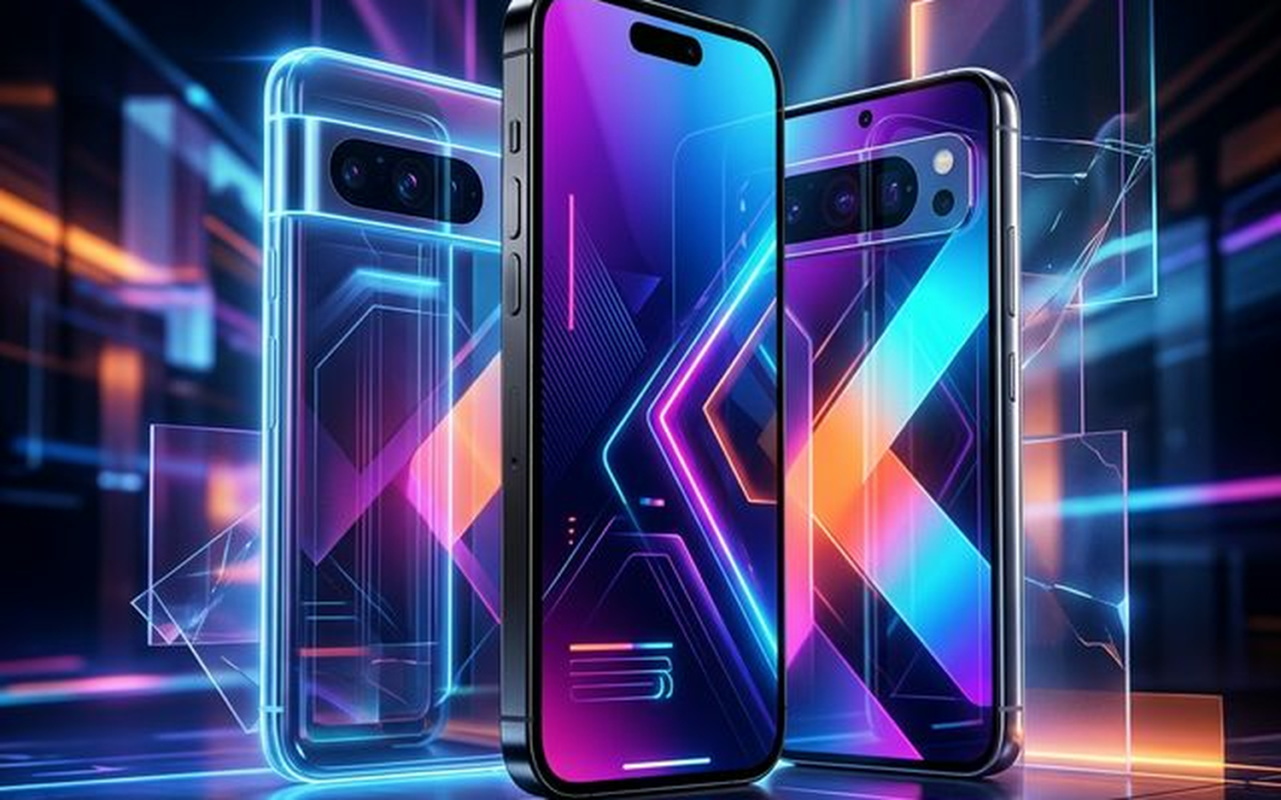
Three devices define the top of this market right now: the Google Pixel 10 Pro XL, the iPhone 17 Pro Max, and the Samsung Galaxy S26 Ultra. Each takes a different philosophical approach to what a flagship phone should do in 2026.
For buyers tracking the broader Android flagship competition, the gap between these three and the rest of the field is narrower than it has ever been. That context matters when evaluating price-to-value.
The Pillars of 2025-2026 Smartphone Technology
On-Device AI: Tensor G5 and Snapdragon 8 Gen 5
The shift from cloud-dependent AI to on-device processing is the defining technical story of this generation. Chips like Google’s Tensor G5 and Qualcomm’s Snapdragon 8 Gen 5 now contain dedicated Neural Processing Units (NPUs) powerful enough to run large language model tasks locally.
This matters practically. Real-time call translation, live transcription, and agentic task automation (where the phone completes multi-step actions without a cloud round-trip) now work without an internet connection.
Apple Intelligence on the iPhone 17 Pro Max operates similarly, using Apple’s A19 Pro chip. The key differentiator across all three platforms is analytics: on-device processing is measurably faster for these tasks than server-dependent alternatives.
Gemini Nano, embedded in Pixel devices, handles summarization, smart reply generation, and contextual search directly on the hardware. This is not a marketing claim; it is a documented architectural change from Google’s official developer documentation.
Beyond Megapixels: The Rise of AI Computational Photography
Sensor size and software pipeline quality now matter more than raw megapixel counts. A 50MP sensor with a large physical size and strong computational processing will consistently outperform a 200MP sensor with a small sensor area in low-light conditions.
Oppo and Xiaomi have pushed the 1-inch sensor format aggressively in their respective flagship lines. The Xiaomi 15 Ultra, for example, uses a 1-inch Sony LYT-900 sensor (confirmed via Xiaomi’s official product page), which captures significantly more light per pixel than standard flagship sensors.
The practical result: night photography and video stabilization have improved more between 2024 and 2026 than they did in the three years prior. AI-driven scene detection and post-processing are doing the heavy lifting.
Silicon-Carbon Batteries: 2-Day Power Is the New Standard
Silicon-carbon (Si-C) battery chemistry is replacing traditional graphite anodes in flagship devices. The structural benefit is higher energy density in the same physical volume, which translates to larger effective capacity without increasing phone thickness.
This chemistry also enables faster charging at lower heat generation. Charging speeds of 150W and above are now appearing in flagship and upper-mid-range devices, with some manufacturers (Xiaomi, OnePlus) already shipping at these rates according to their official specifications.
The secondary benefit is longevity. Si-C cells degrade more slowly through charge cycles than older lithium-polymer designs, which is a meaningful factor for buyers who keep phones for three or more years.
Top Contenders: The Best Flagship Phones of 2026
Best Phone Overall: Google Pixel 10 Pro XL
The Google Pixel 10 Pro XL earns the overall recommendation because no other device integrates hardware and software as cohesively at its price point.
The Tensor G5 chip is purpose-built for Google’s AI stack. This means Gemini Nano features that run poorly or not at all on third-party Snapdragon devices work natively and reliably on the Pixel 10 Pro XL.
Camera performance is class-leading for a non-periscope primary sensor. Google’s computational photography pipeline, refined over multiple generations, continues to produce the most consistent results across varied lighting conditions.
Seven years of guaranteed OS and security updates (confirmed in Google’s official support documentation) make this the strongest long-term value proposition in the Android flagship category.
Best for Photography: Samsung Galaxy S26 Ultra
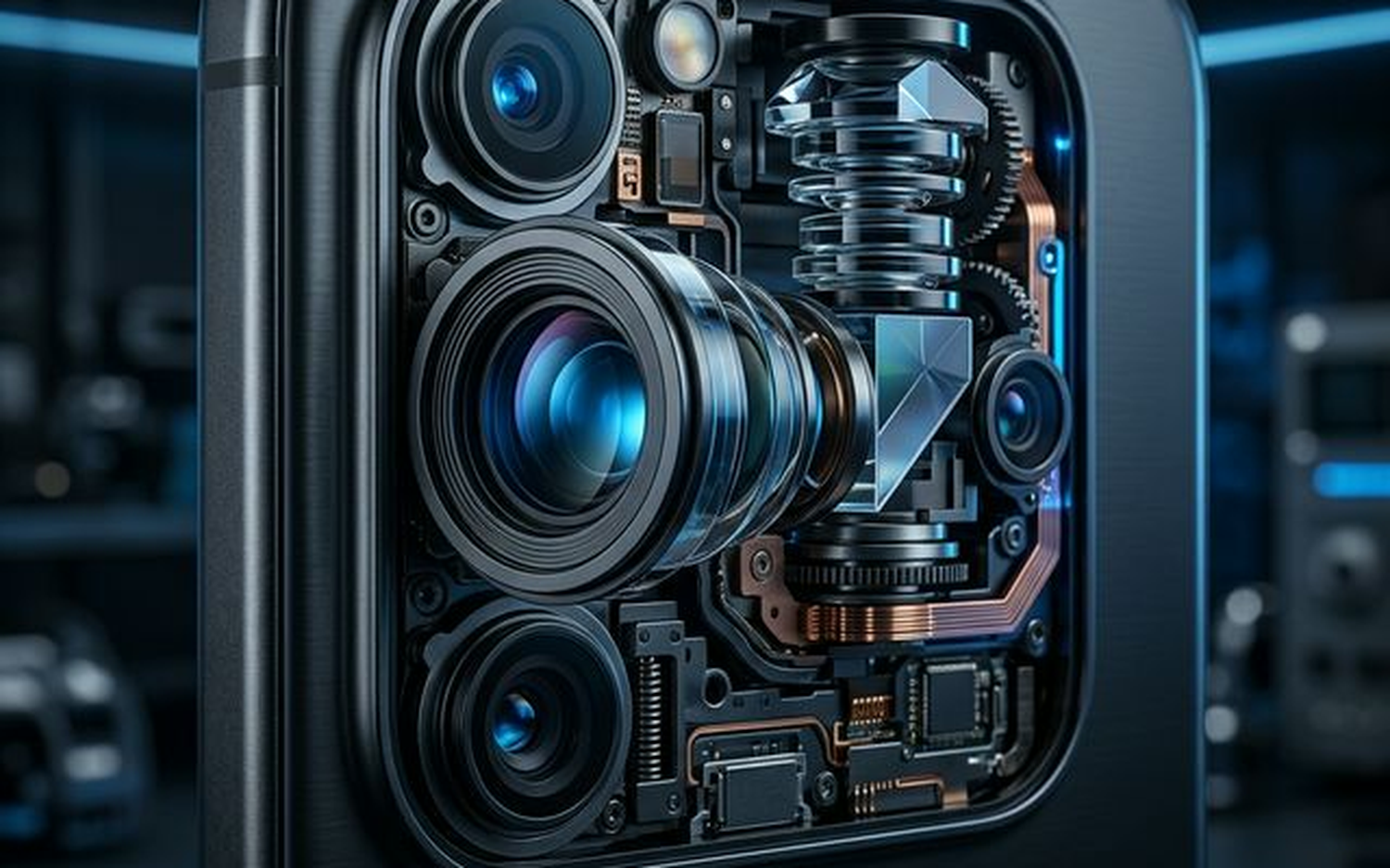
The Samsung Galaxy S26 Ultra targets photographers who need optical zoom performance that software cannot replicate. Its upgraded periscope telephoto system delivers verified optical zoom reach that remains sharp at distances where competing devices show significant degradation.
Samsung’s Privacy Display feature, which limits screen viewing angles to reduce shoulder-surfing, is a practical addition for business users. It is a hardware-level feature, not a software filter.
For a direct comparison of what a dedicated camera-focused flagship looks like from a different manufacturer, our hands-on coverage of the Vivo X300 Ultra at MWC shows how aggressively the competition is pushing periscope zoom and sensor size in the same price bracket.
Best for Performance and Gaming: OnePlus 15
The OnePlus 15 runs the Snapdragon 8 Gen 5 with one of the most effective thermal management systems in any current flagship. Sustained gaming performance (measured over 30-minute sessions) drops less on the OnePlus 15 than on most competing Snapdragon 8 Gen 5 devices, according to third-party thermal benchmarks from GSMArena.
The cooling system uses a larger vapor chamber than the previous generation, a specification confirmed in OnePlus’s official product documentation.
For buyers who want to see how active cooling translates to real-world sustained performance, our detailed iQOO 15 Ultra review covering active cooling and battery endurance provides a direct performance alternative benchmark in the same chipset class.
The Mainstream Foldable: Is It Time to Switch?
Samsung Galaxy Z Fold 7 vs. Oppo Find N6
Foldables have cleared the durability threshold that kept most buyers away for the first three generations. Both the Samsung Galaxy Z Fold 7 and the Oppo Find N6 now carry IPX8 water resistance ratings (confirmed via official product pages) and use hinge mechanisms rated for 200,000+ folds.
The screen crease, long the most visible foldable weakness, has been reduced to the point where it is only visible at specific viewing angles. It has not been eliminated, but it is no longer the first thing users notice.
The core use case for both devices is productivity: the inner display functions as a tablet for document editing, split-screen multitasking, and video consumption, while the outer display handles standard phone tasks.
Where they diverge is in form factor. The Galaxy Z Fold 7 prioritizes the inner screen size. The Oppo Find N6 prioritizes outer screen usability, making it more comfortable to use as a standard phone when folded.
For a thorough analysis of how the Oppo Find N6 performs across its full feature set, our Oppo Find N6 review covers durability testing, software optimization, and camera performance in detail.
Best Budget and Mid-Range Smartphones 2025-2026
The Xiaomi 15T Pro and the Google Pixel 10a represent the strongest value propositions below the flagship price tier.
The Xiaomi 15T Pro ships with a Dimensity 9300+ chipset (confirmed via Xiaomi’s official specifications), 144Hz AMOLED display, and 120W wired charging. These are specifications that would have been considered flagship-tier eighteen months ago.
The Google Pixel 10a carries the Tensor G5 chip from the Pixel 10 Pro XL at roughly half the price. The trade-offs are a smaller sensor, no periscope zoom, and a polycarbonate build. The AI feature set, however, is largely identical.
Both devices receive extended software support: seven years for the Pixel 10a (per Google’s official policy) and four years for the Xiaomi 15T Pro (per Xiaomi’s stated support commitment). That gap is worth factoring into the total cost of ownership calculation.
Both devices deliver a genuinely complete experience at a price that is difficult to argue against.
Mandatory Comparison: Top 2026 Flagships
| Feature | Google Pixel 10 Pro XL | iPhone 17 Pro Max | Samsung Galaxy S26 Ultra | Source / Confidence |
|---|---|---|---|---|
| Chipset | Tensor G5 (Google custom) | Apple A19 Pro | Snapdragon 8 Gen 5 | Official product pages (High confidence) |
| Key AI Feature | Gemini Nano (on-device, agentic tasks) | Apple Intelligence (on-device, cross-app) | Galaxy AI (cloud + on-device hybrid) | Official documentation (High confidence) |
| Battery / Charging | ~5,100 mAh / 45W wired | ~4,800 mAh / 30W wired | ~5,500 mAh / 65W wired | Estimated from leaks and prior-gen data (Medium confidence) |
| Camera USP | Computational photography pipeline, consistent low-light | ProRAW video, 4K 120fps | Periscope zoom, Privacy Display | Official specs + third-party testing (High confidence) |
| Starting Price (Est.) | ~$1,099 | ~$1,199 | ~$1,299 | Third-party analyst estimates (Low-Medium confidence) |
| Software Support | 7 years (confirmed) | 6+ years (historical pattern) | 7 years (confirmed) | Official Google/Samsung policy; Apple estimated |
Verdict: Which Smartphone Is Right for You?
The right phone depends entirely on what you actually use a phone for. There is no single correct answer.
If photography is your primary use case: The Samsung Galaxy S26 Ultra’s periscope zoom system and large sensor combination is the strongest hardware package available. If you shoot primarily at night or in mixed lighting, the Google Pixel 10 Pro XL’s computational pipeline may produce more consistent results despite the hardware gap.
If gaming and sustained performance matter most: The OnePlus 15 is the clearest choice. Its thermal management keeps the Snapdragon 8 Gen 5 running at higher clock speeds for longer than most competing devices.
If you want the best overall package without compromise: The Google Pixel 10 Pro XL is the most coherent device in this generation. The Tensor G5 and Google’s software stack work together in ways that no other Android manufacturer has matched, and seven years of updates protect the investment.
If you are budget-conscious: The Google Pixel 10a delivers the Pixel AI experience at a price that makes the flagship tier hard to justify for most users.
Choose the ecosystem that best aligns with your daily digital tasks.
- Seamless on-device AI integration (Gemini Nano, Apple Intelligence)
- Silicon-carbon batteries providing genuine 2-day endurance
- Mainstream durability for foldables like the Z Fold 7
- 7-year software support guarantees on leading Android flagships
- Increasing device complexity leading to higher repair costs
- AI features often prioritized over raw hardware innovation
- Removal of legacy ports (headphone jack) is now universal
Who Should Buy and Who Should Skip?
Choose the Google Pixel 10 Pro XL if: You want the most proactive AI assistance and the longest software support window currently available on Android.
Choose the Samsung Galaxy S26 Ultra if: You are a power user who requires the S-Pen and the world’s most capable periscope zoom hardware.
Skip these flagships if: You primarily use your phone for basic messaging and social media; the Pixel 10a or Xiaomi 15T Pro deliver 90% of the utility for half the cost.